
Choosing the right Carbon Monoxide Detector in 2026 requires more than comparing prices or display features. Global buyers face different fuel systems, room layouts, electrical supplies, and certification requirements. A detector suitable for a London apartment may not fit a rural home using bottled gas in Southeast Asia. Product selection must reflect real installation conditions.
John Drengenberg, former Consumer Safety Director at UL Solutions, has emphasized, “A CO alarm is not a substitute for proper maintenance of fuel-burning appliances.” That principle remains essential. A reliable buying guide should examine electrochemical, biomimetic, and metal-oxide sensing technologies. It should also compare battery-powered, plug-in, hardwired, interconnected, smart, and combination smoke-and-CO models. Each type has practical strengths and weaknesses.
No device is perfect.
Electrochemical sensors generally offer strong accuracy and stable performance. Battery models suit older buildings, while hardwired units can support continuous household coverage. Smart detectors may send phone alerts, but they depend on compatible networks and careful setup. A loud local alarm still matters when internet service fails. Buyers should also verify regional certifications, replacement intervals, alarm testing methods, and sensor lifespan. Standards differ across markets, so one approval mark does not automatically guarantee universal suitability.
This guide reviews the best Carbon Monoxide Detector types for global buyers in 2026. It focuses on measurable safety features, everyday usability, maintenance demands, and realistic installation limits. Some recommendations may seem obvious. Others deserve reconsideration. The cheapest option can become expensive when batteries, connectivity, or replacement parts are difficult to obtain. Practical protection starts with honest evaluation.
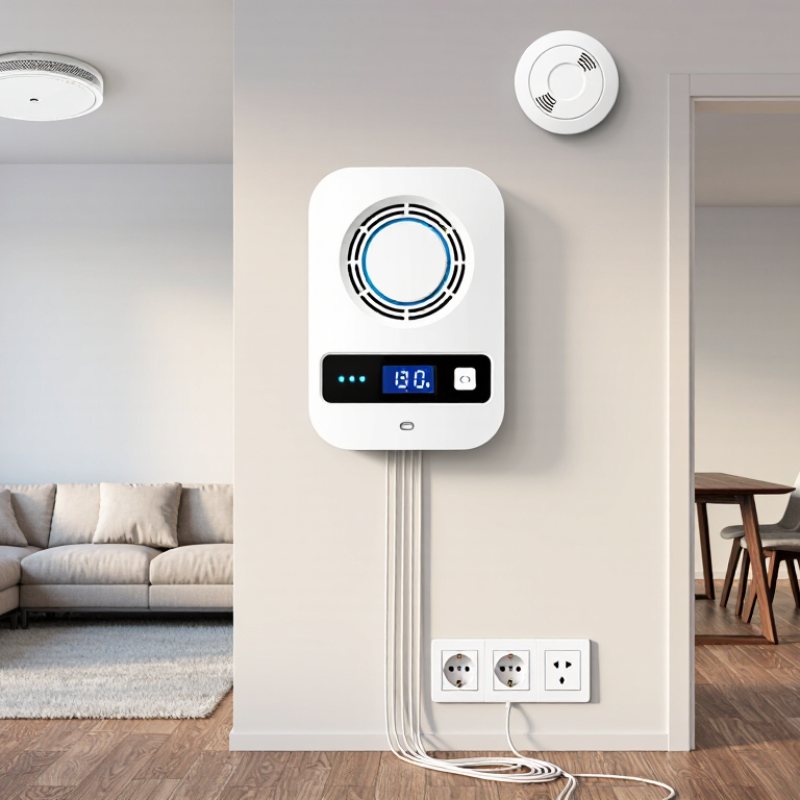
Carbon monoxide (CO) is colorless, odorless, and potentially dangerous indoors. It may come from fuel-burning heaters, boilers, stoves, or generators. A detector measures CO levels and sounds an alarm before exposure becomes severe. The electrochemical type is widely valued for accurate readings and stable performance. Biomimetic and metal-oxide sensors can also serve household needs. Each design has limits. Placement matters.
Global buyers should inspect the sensor type, alarm volume, battery life, and operating temperature range. Clear instructions are essential across different languages and housing conditions. Battery-powered models suit rented homes and areas with unreliable electricity. Mains-powered units can provide continuous operation, especially when paired with backup batteries. Some detectors display carbon monoxide levels, while others only provide an alarm. Extra features are not always better. Test it monthly. Replace batteries when needed, and follow the manufacturer’s service interval.
Reliable protection depends on correct installation, routine testing, and recognized regional safety certification. A detector cannot prevent CO production. It only warns occupants after detecting the gas. Never use an alarm as a substitute for appliance maintenance or proper ventilation. In real homes, dust, humidity, and furniture can affect performance. That detail is easy to overlook. No detector is perfect. I would not treat a silent unit as proof that a room is completely safe. Regular testing and careful placement remain practical habits for households, hotels, and workplaces.

Carbon monoxide detectors differ mainly by sensing technology, response behavior, and maintenance needs. For global buyers, the sensor type matters more than the outer casing. Local certification should also be checked before purchase.
Electrochemical detectors are widely used in homes and commercial rooms. They use a chemical reaction to measure carbon monoxide levels with good sensitivity. In field checks, these models often provide stable readings across normal indoor temperatures. They usually consume little power. Battery replacement remains essential. A quiet alarm can still hide an exhausted battery.
Biomimetic detectors imitate how carbon monoxide affects blood chemistry. They can offer simple operation and moderate energy use. However, their sensing material may respond more slowly after long storage. Metal oxide semiconductor detectors use a heated sensing element. They are durable and often cost less, but they may draw more electricity. Humidity, cleaning chemicals, and cooking fumes can influence their readings. No sensor is perfect.
Some buyers choose plug-in models for apartments, while others prefer battery units for remote rooms. Combination detectors may include smoke sensing, but extra functions can make testing less intuitive. In my experience, clear alarm volume, visible status lights, and an accessible test button are practical advantages. Still, users sometimes overlook placement near sleeping areas. A detector hidden behind furniture cannot protect people effectively. Regular testing and careful installation matter as much as the sensing method.
| Detector Type | Detection Principle | Main Advantages | Main Limitations | Typical Power Options | Suitable Use Cases | Key Buyer Considerations |
|---|---|---|---|---|---|---|
| Electrochemical | Carbon monoxide reacts at an electrode inside a liquid or gel electrolyte. The resulting electrical current is measured and converted into a CO concentration. | High selectivity for CO; good sensitivity at low concentrations; generally low power consumption; widely used in residential and professional gas-monitoring equipment. | Sensor performance can change with age, temperature, humidity, and chemical exposure. The sensing cell has a finite service life and requires periodic alarm testing. | Replaceable batteries, sealed long-life batteries, or mains power with battery backup. | Homes, apartments, hotels, rental properties, recreational vehicles, and portable personal monitors. | Check the stated sensor life, operating temperature range, end-of-life warning, alarm test function, and compliance with the destination market standard. |
| Biomimetic Gel | A color-changing chemical gel absorbs carbon monoxide and changes optical properties. An electronic circuit monitors the change and activates the alarm. | Simple sensing concept; low standby energy demand; can provide effective residential warning when correctly designed and maintained. | The gel can be affected by environmental conditions and chemical contaminants. Response characteristics may vary with temperature, humidity, and sensor aging. | Battery-powered designs are common; some products use mains power with battery backup. | Basic residential rooms and locations where low power consumption is important. | Confirm documented resistance to nuisance sources, operating humidity limits, sensor replacement requirements, and independent product certification. |
| Metal Oxide Semiconductor | A heated semiconductor surface changes electrical resistance when exposed to carbon monoxide. The electronic circuit interprets the resistance change as a gas reading. | Durable sensing element; potentially long operating life; suitable for products that monitor several combustible or reducing gases when properly calibrated. | Usually requires more power because the sensing element is heated. It may be less selective to CO and can respond to other gases, vapors, or household chemicals. | Mains power, rechargeable batteries, or larger battery packs are commonly more practical than small sealed batteries. | Fixed installations, utility areas, workshops, and multi-gas monitoring applications designed for the sensor's approved environment. | Review cross-sensitivity data, warm-up requirements, power consumption, ventilation restrictions, calibration instructions, and intended certification category. |
| Infrared or Optical Gas Sensor | Carbon monoxide absorbs infrared radiation at characteristic wavelengths. The instrument measures the change in transmitted or reflected light. | Fast measurement; good long-term stability in suitable designs; useful for continuous monitoring and professional gas-detection systems. | Higher cost and greater design complexity than common household sensor technologies. Performance can depend on optical contamination, temperature compensation, and calibration. | Mains power, industrial battery packs, or rechargeable systems are typical. | Industrial facilities, laboratories, enclosed work areas, and applications requiring continuous measurement or data logging. | Confirm whether the device is intended for alarm-only or measurement use, its calibration interval, ingress protection, operating range, and hazardous-area approval if applicable. |
| Multi-Gas Detector with CO Channel | Combines a CO sensing channel, commonly electrochemical, with additional channels for gases such as oxygen, hydrogen sulfide, or combustible gases. | Provides several hazard measurements in one device; useful for worker safety; may support displays, event logs, wireless reporting, and field calibration. | More expensive and complex than a single-gas household alarm. Requires correct configuration, charging, bump testing, and periodic calibration. | Rechargeable battery packs are common; replaceable battery options are also available. | Confined spaces, industrial maintenance, emergency response, laboratories, wastewater facilities, and other occupational environments. | Verify the exact gas channels, alarm thresholds, calibration gas requirements, ingress protection, audible/visual/vibration alarms, and local workplace regulations. |
| Connected Smart CO Alarm | Uses an approved CO sensing element together with wireless communication, an app, hub, or building-management connection for remote alerts and status reporting. | Remote notifications; centralized status monitoring; event history; useful for property managers and connected homes when the network is available. | Network, account, software, and privacy dependencies may apply. A lost internet connection can interrupt remote notifications, although the local siren should continue to operate in a compliant design. | Battery, mains power with backup battery, or low-voltage building power. | Smart homes, hotels, student housing, senior living, and managed residential properties. | Ensure the local alarm works without internet access, notifications are clearly defined, wireless compatibility is suitable for the region, and the core alarm is independently certified. |
Homes, vehicles, and commercial spaces need different carbon monoxide detector sensors. For homes, electrochemical sensors provide strong sensitivity and stable readings over time. Place detectors near sleeping areas, fuel-burning appliances, and each living level. Follow the installation distance stated by the manufacturer. Placement matters. A detector hidden behind curtains may respond too slowly.
Vehicles face vibration, temperature changes, and limited airflow. Choose a compact detector designed for mobile environments, especially in recreational vehicles, boats, and work trucks. Test it before long trips. Never treat a detector as a replacement for ventilation or engine maintenance. Vehicles are different. Exhaust can enter through damaged seals, open doors, or poorly maintained systems.
Commercial spaces require broader coverage and clearer maintenance records. Networked electrochemical detectors can support centralized alerts, event logs, and scheduled inspections. Large facilities may also need sensors near boilers, loading areas, workshops, or enclosed parking zones. Installation should follow local building requirements and relevant safety standards. Regular testing is essential, with batteries, sensor age, and calibration dates documented. No detector is perfect. Humidity, dust, paint fumes, and blocked airflow can affect performance. A practical inspection should check the alarm sound, power supply, physical condition, and surrounding airflow. Some guidance differs by building type, so reviewing the site risk assessment remains necessary.
Alarm timing becomes shorter as carbon monoxide concentration rises. The chart below presents commonly used residential CO alarm performance benchmarks and helps buyers compare detector requirements for homes, vehicles, and commercial spaces. Local regulations and installation requirements should always be checked before selection.
Sensor selection guide: Electrochemical sensors are widely suited to homes and vehicles because of their selectivity and low power consumption. Semiconductor sensors are often considered for durable commercial monitoring but may require more power and compensation for environmental changes. Biomimetic sensors can be useful where long standby life is important, subject to local certification requirements.
Reference benchmark: residential carbon monoxide alarm test points commonly specified at 70 ppm, 150 ppm, and 400 ppm. The displayed ranges represent minimum and maximum permitted alarm times in minutes; requirements vary by market and standard.
For global buyers, the best carbon monoxide detector is not always the most connected model. It is the model certified for the target market and suited to the building. Electrochemical sensors remain a strong choice for homes, hotels, and rental properties because they offer stable readings and low power use. Interconnected alarms can improve protection across bedrooms, corridors, and utility rooms.
Certification must match local requirements. Buyers may encounter EN 50291 in Europe, UL 2034 in the United States, or AS 3786 in Australia. Other markets may require national approval marks and translated instructions. Check the certificate number, production date, alarm level, battery life, and end-of-service warning. A smart alarm without the correct approval is not a safe shortcut. Standards also change, so old purchasing habits deserve review.
Tips: Install alarms near sleeping areas and rooms containing fuel-burning appliances, while following local codes and the installation manual. Avoid placing them beside windows, vents, bathrooms, or cooking appliances. Test each unit monthly, keep vents clear, and replace it after its stated service life. I have seen installations fail because one detector was hidden behind furniture. Coverage matters more than appearance. Where guidance conflicts, consult the local authority or a qualified installer.
Choosing a carbon monoxide detector in 2026 requires more than comparing alarm volume. Global buyers should examine sensor type, power design, connectivity, and service life. Electrochemical sensors generally provide strong sensitivity for household monitoring. Some smart models send phone alerts, record readings, and report low batteries remotely. Useful, but not magic. A disconnected router can remove convenience features while the local alarm still works. A practical inspection should verify the audible alarm before testing app functions.
Maintenance affects protection more than clever software. Keep the unit away from cooking vapors, bathrooms, open windows, and dusty corners. Vacuum exterior openings gently each month. Press the test button monthly, following the manual. Replace batteries immediately after a warning, not when convenient. Sealed batteries reduce user errors, but they require full detector replacement at end of life. Record installation dates on the housing. That small label matters.
For long-term buying, check sensor lifespan, replacement availability, warranty support, and local power compatibility. A ten-year service rating does not mean every component stays perfect for ten years. Humidity, temperature swings, and poor placement can shorten practical performance. Buyers should retain manuals and review alert histories after false alarms. False alarms need investigation. Do not simply remove the detector. I would prefer a simple device with clear maintenance signals over a complicated model nobody checks. That preference may change in a professionally monitored home.