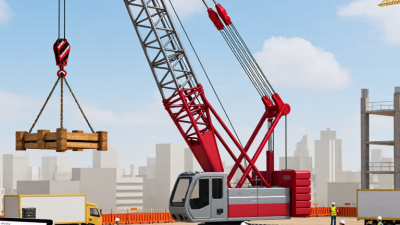
Choosing dependable link belt crane dealers can shape an entire lifting project. The right dealer provides more than equipment availability. They offer inspection records, operator guidance, replacement parts, and practical support when schedules become tight.
Eric Etchart, former president and CEO of Link-Belt Cranes, once stated, “Customer support is not an option; it is part of the product.” That principle remains useful for global buyers. A dealer should explain crane capacity, transport dimensions, terrain limits, maintenance history, and regional service coverage clearly. A polished website is not enough. Ask for evidence.
Details matter.
This 2026 guide examines link belt crane dealers through an international buyer’s perspective. It considers authorized distribution, used-crane condition, technical expertise, export coordination, spare-parts access, and after-sales response. Experienced buyers may also review boom configuration, counterweight requirements, emissions compliance, and local operator training before signing an agreement.
No dealer is perfect.
Some companies may offer excellent prices but weak field support. Others may provide strong service while carrying limited inventory. That trade-off deserves honest attention. Our selection focuses on dealers that demonstrate reliable communication, transparent documentation, and relevant lifting experience. Still, buyers should verify current certifications and commercial terms independently. Markets change quickly. Availability can change overnight. A careful comparison reduces costly surprises and supports safer, more predictable crane operations across borders.
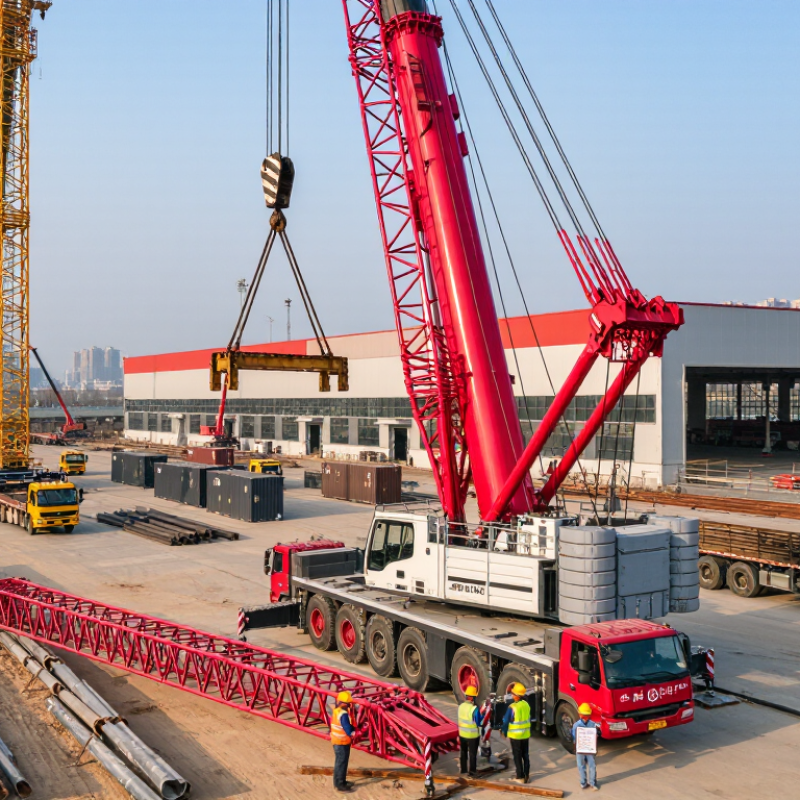
In 2026, Link-Belt cranes remain recognized for practical lifting performance, durable engineering, and broad jobsite flexibility. The product range covers crawler, rough-terrain, and telescopic cranes. These machines serve construction, infrastructure, energy, and industrial maintenance projects. Their global position depends on more than lifting capacity. Dealer support, parts availability, operator training, and service response often determine real ownership value.
Experienced buyers should compare dealers by regional inventory, technician qualifications, warranty procedures, and import support. A crane working near a coastal port may need different protection than one operating on dry inland roads. Ask for recent inspection records, load charts, maintenance history, and transport dimensions. In my experience, buyers sometimes focus too heavily on the purchase price. That can be a costly mistake. Dealer quality is not always consistent across markets, and this point deserves honest attention.
Tips: Request a video inspection before payment. Confirm spare-part lead times in writing. Check local lifting regulations with an independent specialist. Compare fuel use under realistic workloads, not brochure conditions. Keep a reserve for tires, ropes, filters, and hydraulic maintenance. A small delay can stop an entire project. Also, test communication speed with the dealer before signing. Slow replies during negotiations may become slower support after delivery.
Choosing a Link-Belt crane dealer requires more than comparing quoted prices. KHL Group’s Yellow Table 2024 reported $243.4 billion in global construction equipment sales during 2023. That scale increases the value of local parts, trained technicians, and reliable delivery. Ask dealers for service response times, technician certifications, and documented inspection procedures. A polished showroom proves little.
Dealer experience should match your working conditions. Check references from ports, infrastructure projects, and heavy industrial sites. Review uptime records, warranty handling, operator training, and spare-parts availability. The International Rental Association’s 2024 market reporting shows strong equipment-rental activity across Europe, highlighting the importance of flexible support and fast fleet recovery. Still, published market figures can hide regional differences. A dealer serving dry roads may struggle with coastal corrosion or remote logistics.
Tips: Request three recent customer references. Verify parts lead times in writing. Inspect one service truck. Compare total ownership cost, not only the purchase price. Ask how emergency repairs are managed after business hours. Also examine financial stability and transparent contract terms. ISO 9001 certification can support process confidence, but it does not replace field evidence. I would leave room for doubt: some dealers provide excellent sales support yet weaker long-term maintenance. Trial periods, site visits, and measurable service-level agreements reveal that gap.
| Evaluation Dimension | What Global Buyers Should Verify | Recommended Screening Benchmark | Evidence to Request | Warning Signs | Assessment |
|---|---|---|---|---|---|
| Authorized Distribution Status | Confirm that the dealer is officially authorized to sell, support, and supply parts for the crane product line in the buyer’s destination market. | 100% verification required before issuing a purchase order. | Current authorization letter, territory confirmation, dealer certificate, and manufacturer support-contact details. | Unverifiable authorization, conflicting territory information, or pressure to pay before documentation is provided. | Required |
| Product Configuration Accuracy | Check whether the dealer can match crane capacity, boom length, counterweight, transportation configuration, and local regulatory requirements to the project. | Quotation should identify all major configuration items and clearly state exclusions. | Factory build sheet, load charts, equipment dimensions, operating weight, transport drawings, and optional-equipment list. | Generic brochures, missing load charts, unclear operating weights, or inconsistent technical specifications. | Required |
| Used-Crane Condition and History | For pre-owned equipment, verify operating hours, ownership history, inspection records, structural condition, and major component replacement history. | Request records covering the complete available service history and an independent pre-shipment inspection. | Hour-meter photographs, maintenance logs, oil-analysis reports, inspection certificates, serial-number records, and repair invoices. | Disconnected hour meter, incomplete records, unexplained repainting, weld repairs without documentation, or refusal of third-party inspection. | Check Carefully |
| Safety and Regulatory Compliance | Confirm compliance with the destination country’s lifting, workplace-safety, emissions, electrical, and road-transport regulations. | All required certificates should be available before shipment or site mobilization. | Inspection certificates, conformity documents, safety-device test reports, emission information, and operator-manual language options. | Expired certificates, missing safety-device records, or equipment that cannot be registered in the destination country. | Required |
| Parts Availability | Evaluate the dealer’s ability to supply routine maintenance parts, wear components, hydraulic items, electrical components, and critical safety parts. | Preferred dealers should provide a parts plan with stock locations, lead times, and emergency-order procedures. | Parts inventory list, recommended commissioning kit, price schedule, delivery-time commitments, and escalation contacts. | No local inventory, undefined substitute parts, long unconfirmed lead times, or parts supplied without traceability. | Preferred |
| Technical Service Capability | Assess field-service coverage, diagnostic capability, technician qualifications, commissioning support, and multilingual communication. | Service agreement should define response time, working hours, travel costs, and service boundaries. | Technician certifications, service-center locations, support organization chart, maintenance scope, and remote-diagnostic process. | Sales-only operation, no named service contact, unclear warranty handling, or reliance on unapproved subcontractors. | Required |
| Warranty and After-Sales Terms | Review warranty duration, coverage limits, exclusions, claim procedures, labor coverage, and responsibility for international freight. | Warranty terms should be written in the contract with clear start date and claim deadlines. | Formal warranty policy, sample claim form, service-level agreement, excluded-component list, and escalation procedure. | Verbal promises only, vague exclusions, warranty starting before delivery, or buyer responsibility for all diagnostic costs. | Required |
| Export and Logistics Competence | Verify the dealer’s experience with international packing, port handling, customs documentation, marine insurance, and oversized-load transportation. | Quotation should specify the applicable Incoterms® 2020 rule, loading port, packing method, and document package. | Commercial invoice, packing list, certificate of origin, export declaration, insurance terms, transport dimensions, and estimated sailing schedule. | Unclear Incoterms, inconsistent dimensions, missing customs information, or unsupported delivery dates. | Required |
| Operator Training and Commissioning | Determine whether the dealer provides delivery inspection, assembly supervision, operator training, maintenance training, and load-chart instruction. | Training scope should include safe setup, inspection routines, emergency procedures, and documentation. | Training agenda, trainer qualifications, commissioning checklist, attendance record, and translated manuals where required. | Equipment delivered without commissioning support, no practical training, or incomplete operating documentation. | Preferred |
| Commercial Transparency | Compare the full delivered cost, including equipment price, options, inspection, packing, inland haulage, ocean freight, insurance, taxes, installation, and training. | Obtain at least three comparable written quotations using the same configuration and delivery basis. | Itemized quotation, payment schedule, validity period, currency, bank details, tax treatment, and change-order policy. | Large unexplained deposits, personal bank accounts, rapidly changing prices, or an itemized quote that omits major costs. | Check Carefully |
| Financial and Business Reliability | Review the dealer’s operating history, legal registration, trade references, insurance coverage, and ability to support long-term warranty obligations. | Verify legal identity and obtain at least two recent trade references for comparable crane transactions. | Business registration, tax details, liability-insurance certificate, bank-reference letter, customer references, and litigation disclosures where available. | Recently created entity with no verifiable references, mismatched legal names, or refusal to provide basic corporate documents. | Required |
| Customer Reference Quality | Contact customers operating similar cranes in comparable climate, duty-cycle, terrain, and regulatory environments. | Use references that can confirm delivery, uptime, parts support, warranty response, and total ownership experience. | Reference list, project location, equipment configuration, delivery date, service history, and permission for direct contact. | Only anonymous testimonials, references unrelated to crane type, or customers unwilling to confirm the transaction. | Preferred |
| Total Cost of Ownership | Estimate fuel or energy use, scheduled maintenance, wear parts, inspections, operator training, insurance, downtime, and resale considerations. | Compare a documented three-to-five-year ownership model rather than purchase price alone. | Maintenance intervals, fluid and filter specifications, parts prices, service rates, expected downtime assumptions, and residual-value evidence. | Lowest-price offer with no maintenance assumptions, no parts pricing, or no support-cost estimate. | Preferred |
Best Crane Dealers for Global Buyers
Regional dealer strength matters when purchasing a heavy crawler crane. North American dealers often provide extensive rental fleets, factory-trained technicians, and strong parts access. European distributors usually emphasize documentation, safety audits, and emissions compliance. Middle Eastern dealers need reliable cooling systems and fast support for dusty job sites. Southeast Asian providers often excel in port logistics, urban construction, and operator training.
Service capability separates a dependable dealer from a basic equipment seller. Ask for recent inspection reports, verified operating hours, load charts, and maintenance records. A serious dealer should explain transport preparation, commissioning, and spare-parts availability in writing. Local technicians can reduce downtime when hydraulic leaks or control faults appear. Response time matters.
Not every listing is current.
Experienced buyers should compare regional references, warranty terms, and workshop capacity before signing. Africa and Latin America may require stronger mobile-service coverage because remote projects can delay repairs. Dealers serving these areas should maintain clear customs documents and practical parts inventories. Video inspections help, but they cannot replace an independent mechanical assessment. I have found that small documentation gaps often signal larger communication problems. That judgment can be unfair, yet it deserves attention. Reliable dealers welcome questions, disclose machine limitations, and provide realistic delivery schedules instead of promising perfect results. Availability changes quickly, so buyers should confirm every specification before payment.
Best Crawler Crane Dealers for Global Buyers
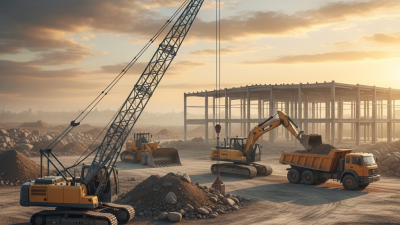
Global buyers need more than a dealer list. They need accurate models, realistic pricing, and dependable availability. Crawler cranes commonly range from 30 to over 300 tons. Smaller models suit bridge repairs, industrial assembly, and urban construction. Larger units support wind projects, refinery work, and heavy infrastructure.
Model selection depends on lift radius, ground pressure, transport limits, and site access. A 100-ton crane may handle a factory installation efficiently. It may struggle when the load travels far from the tracks. This sounds obvious. Yet many purchasing mistakes begin with a capacity number alone. Request load charts, boom configurations, counterweight details, and recent inspection records.
Indicative pricing varies widely. Used 30- to 70-ton cranes may cost 150,000 to 500,000 US dollars. Newer heavy-duty models can exceed 1.5 million dollars. Freight, dismantling, insurance, import charges, and spare parts add substantial costs. Availability also changes quickly. Ask whether the crane is physically stocked or still awaiting production. Request timestamped photos, serial-number records, operating hours, and maintenance history. A low quote can still be the wrong deal.
Reliable dealers should explain delivery schedules clearly. They should also support commissioning, operator training, technical parts, and warranty procedures. Check service coverage near the project site, not only the seller’s headquarters. Payment milestones deserve careful review. I would also compare two independent inspections before purchase. Even experienced buyers miss hydraulic wear when schedules become tight. A practical dealer will welcome difficult questions and document every answer.
Selecting a heavy crane dealer requires more than comparing purchase prices. KHL’s 2024 Yellow Table reported about US$243.4 billion in sales among the world’s 50 largest construction equipment manufacturers. That scale highlights a practical issue: dealer capability can vary widely by market. Experienced buyers should verify export documents, serial numbers, maintenance records, and the exact HS classification before shipment. A reputable dealer should also provide loading photographs, packing details, and a pre-dispatch inspection report.
Inspection should cover boom sections, wire ropes, hydraulic cylinders, counterweights, controls, and safety devices. ISO 4309 recommends regular examination and discard criteria for crane wire ropes, so inspection records should identify rope diameter, wear, and replacement history. Importers should confirm local certification, emissions rules, operator requirements, and port handling limits. Small paperwork errors can create expensive delays.
Warranty terms need careful reading. Ask whether coverage includes labor, travel, replacement parts, and diagnostic time. The warranty period alone is not enough. After-sales support should include response targets, technical manuals, parts availability, and remote troubleshooting. UN Comtrade data can help buyers compare trade flows under HS 8426, but declared shipment values do not prove machine quality. I have seen buyers rely too heavily on photographs. That is a mistake. A third-party inspection may cost more upfront, yet it can reveal hidden hydraulic leaks, undocumented repairs, or missing safety components before payment. Even strong dealer promises need written evidence.