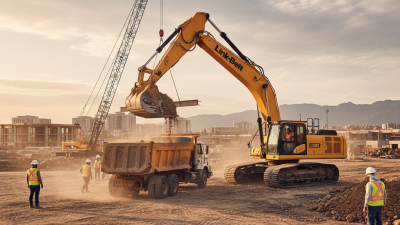
2026 Top Link Belt Equipment Buying Guide for Global Buyers?
Buying link belt equipment in 2026 requires more than comparing prices and engine power. Global buyers must evaluate productivity, transport requirements, operator safety, service access, and long-term ownership costs. A machine that performs well in a test yard may behave differently on muddy ground, steep roads, or crowded urban sites. Real job conditions matter.
This guide examines practical factors for selecting Link-Belt excavators, cranes, and related equipment from international markets. It considers operating weight, lifting capacity, hydraulic performance, fuel efficiency, attachment compatibility, and digital monitoring features. Dealer support also deserves close attention. A reliable local technician can reduce downtime when a hydraulic hose fails during a demanding shift.
Small details can become expensive.
Buyers should verify warranty terms, spare-parts availability, delivery schedules, and regional technical support before signing an order. Import procedures and local operating standards may also affect the final purchase decision. Specifications alone are not enough. Total cost matters more.
Experience shows that the cheapest quotation rarely represents the lowest cost over five years. However, even experienced buyers can overlook operator training or resale conditions. That weakness deserves honest review. No guide can predict every jobsite, financing change, or supply-chain delay. Careful buyers should compare verified documentation, inspect service records, and request performance evidence from trusted dealers.
The right choice balances capability, reliability, compliance, and realistic site demands. This 2026 buying guide offers a practical framework for making that decision with greater confidence.
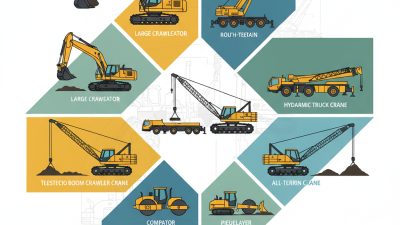
Define 2026 Job Classes by Operating Weight, Reach, and Lift Capacity (ISO 6015)
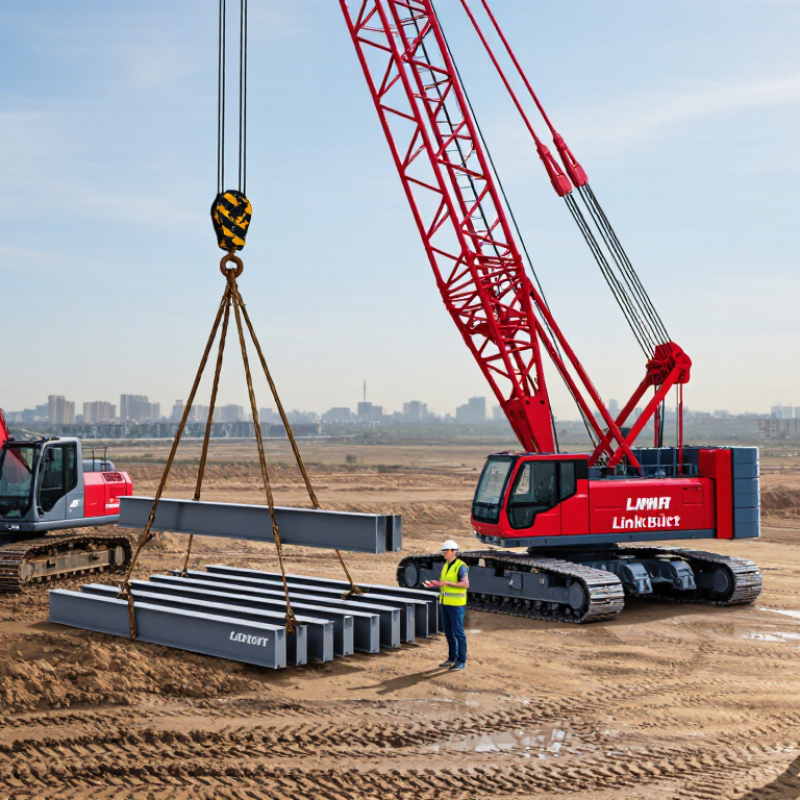
For 2026 equipment planning, define job classes with three measurable factors: operating weight, working reach, and lift capacity. Operating weight includes the machine, standard attachment, fluids, and a typical operator. Always confirm the local configuration. A few kilograms can change transport limits.
Compact classes often suit landscaping, utility trenches, and restricted urban sites. Midweight machines provide deeper digging and longer reach for road maintenance or foundation work.
Heavy classes deliver greater stability and lifting strength, but demand stronger ground, wider access, and more careful transport planning. Reach should be checked at the actual digging depth, not only at its maximum brochure figure. Maximum reach can reduce available force.
ISO 6015 provides methods for measuring tool forces on hydraulic excavators. It supports reliable technical comparison, but it does not create universal job classes or replace rated load charts. Lift capacity changes with boom position, load radius, attachment weight, ground slope, and hydraulic limits. Keep the load close. That sounds obvious, yet rushed site decisions often ignore it. I have seen capacity estimates fail when an attachment was treated as weightless. Buyers should compare certified test data, working-range diagrams, and site conditions. A practical class label might combine operating weight with verified reach and lift performance. It is less tidy than a single size number, but far more useful.
Match Engine Power, Hydraulic Flow, and Cycle Time to Output Targets
2026 Top Link Belt Equipment Buying Guide for Global Buyers
Match engine power, hydraulic flow, and cycle time to your output target. A powerful engine cannot compensate for restricted hydraulic flow. The attachment may still move slowly. Review rated power, pump capacity, and working pressure together. Then estimate cycles per hour, not just digging force. A 28-second cycle can produce more daily output than a 40-second cycle. Soil density, operator skill, and travel distance will change the result. Treat catalogue figures as starting points, not promises.
Tips: Ask for measured cycle-time data under a stated load. Compare fuel use at idle and during continuous work. Check whether local technicians can test hydraulic pressure and replace filters. Keep a small margin for cold mornings, steep ground, and uneven material. A machine sized too tightly may look efficient, but it can lose output quickly.
Buyers should calculate tonnes per hour using their actual bucket size, material weight, and haul distance. A short site trial is valuable. Record ten loaded cycles and remove the slowest and fastest results. The average will be more useful. Still, it is not perfect. Weather, ground conditions, and operator decisions can distort the calculation. Recheck the numbers before signing a purchase order. Reliable selection depends on verified measurements, clear service support, and realistic production targets.
2026 Top Link Belt Equipment Buying Guide for Global Buyers
Match engine power, hydraulic flow, and cycle time to your output target.
The benchmark compares common tracked equipment classes. Output targets are indicative calculations based on class-typical bucket capacities, a 90% fill factor, 1.7 t/m³ bulk material density, and the listed cycle times. Actual production varies with material, operator, haul distance, and site conditions.
Compare Uptime, Warranty, Parts Lead Times, and Cost per Hour
For global buyers, uptime should be measured in working hours, not brochure promises.
Ask for service records from machines operating in similar climates and ground conditions. A unit that runs 1,800 hours annually may justify a higher purchase price. However, idle time can erase that advantage quickly. Track daily output, fuel use, inspection delays, and unplanned repairs. Small stoppages add up.
Warranty terms need careful reading. Confirm coverage periods, excluded components, labor limits, and approved repair procedures. A two-year warranty may offer less value if transport damage or hydraulic wear is excluded. Request written response times for technical support.
Parts lead time matters just as much. A common seal arriving in five days is manageable. A control valve delayed for six weeks can stop an entire crew. Keep critical filters, belts, and sensors locally when storage conditions allow.
Calculate cost per hour
using purchase price, financing, fuel, scheduled maintenance, repairs, transport, and expected resale value. Divide the total by realistic productive hours, not engine hours alone. A simple spreadsheet helps compare offers honestly. I have seen buyers underestimate operator training and seasonal downtime. That mistake is easy to repeat. Currency changes, port congestion, and unfamiliar service networks can also distort early estimates. Leave room for uncertainty, then test the assumptions with local technicians and experienced operators.
Build Global Quotes with Incoterms, Duties, Financing, and Resale Data
Global buyers should build quotes around the complete landed cost, not the machine’s advertised price. Record the equipment model, operating hours, inspection date, and included attachments. Then state the Incoterm clearly, such as FCA, FOB, CIF, or DAP. Each term shifts transport, insurance, customs, and delivery responsibilities differently. A quote should name the loading port, destination city, currency, validity period, and payment schedule.
Duties depend on tariff classification, origin, declared value, and local customs treatment. Ask for commercial invoices, packing details, and serial-number records before payment. Verify duty rates with an authorized customs professional because regulations can change. Financing also needs practical detail. Compare deposit size, interest rate, currency exposure, documentation fees, and early repayment conditions. A lower monthly payment may hide a longer and more expensive contract. Numbers can mislead.
Resale data deserves equal attention. Compare auction results, dealer listings, fleet replacement prices, and demand for common attachments in the target region. Adjust for age, hours, maintenance history, and transport damage. In my experience, clean service records often support resale better than cosmetic repairs. Still, regional data may be thin or inconsistent. That is a weakness worth admitting. Build a conservative resale estimate, test a lower-value scenario, and keep inspection photos with the final quote.