2026 Top Construction Equipment and Machinery Trends You Should Know?

As we approach 2026, the construction equipment and machinery sector is poised for substantial evolution. A recent report by Global Industry Analysts highlights a projected growth rate of 4.3% annually in this field. This upward trend emphasizes the increasing reliance on advanced technologies and sustainability practices in construction.

Industry expert Dr. Sarah Thompson, a leading voice in construction innovation, states, "The future of construction equipment is intrinsically linked to how we adapt to new technologies." This sentiment captures the essence of the current landscape, where automation and eco-friendly solutions are gaining prominence. New machinery is not just about efficiency; it's also about reducing environmental impact.

However, as we embrace these changes, some challenges persist. Many companies struggle to integrate new technologies. Training workers to operate advanced equipment remains a hurdle. As we explore the trends shaping the future of construction equipment and machinery, it’s vital to recognize these challenges. The journey toward modernization is ongoing, and reflection on current practices is essential for success in this dynamic industry.
2026 Top Construction Equipment and Machinery Trends You Should Know?

Emerging Technologies Shaping Construction Equipment in 2026

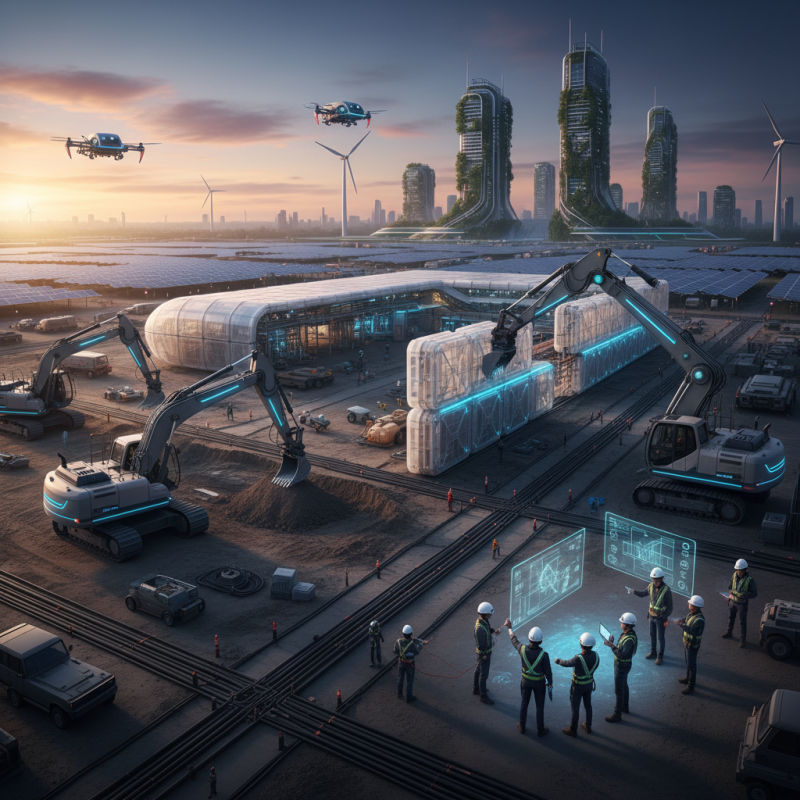
Emerging technologies are revolutionizing construction equipment and machinery in 2026. Automation is a major trend. Robotic systems handle repetitive tasks efficiently. Drones inspect sites, improving precision and reducing risks. They can reach difficult areas quickly. This trend could mean fewer workers at heights, but it raises questions about job security.

Telematics is transforming how machinery operates. Real-time data provides insights into equipment health. Predictive maintenance minimizes downtime. However, it also demands skilled operators who can interpret data effectively. Too much reliance on technology risks overlooking human intuition and experience.

Electric and hybrid machines are gaining traction, reducing emissions significantly. They offer quieter operations, which is beneficial in urban areas. However, charging infrastructure is still limited. This gap could slow adoption. Sustainability is crucial, but the transition is not seamless. Each advancement requires careful consideration of broader impacts.

2026 Top Construction Equipment and Machinery Trends You Should Know

Trend Description Impact on Industry Emerging Technologies
Automation and Robotics Increase in the use of automated machinery for construction tasks. Higher efficiency and reduced labor costs. Robotic arms, autonomous vehicles.
3D Printing Utilization of 3D printing technology in constructing building components. Reduced material waste and faster construction times. Concrete 3D printers, mobile 3D printing units.
IoT Integration Implementation of IoT devices for real-time monitoring of machinery. Improved maintenance and reduced downtime. Smart sensors, wearables for workers.
Sustainable Practices Focus on eco-friendly materials and sustainable construction methods. Minimized environmental impact and compliance with regulations. Recycled materials, energy-efficient machinery.
Augmented Reality (AR) Use of AR for project visualization and training. Enhanced project planning and worker training. AR headsets, mobile AR applications.

Sustainability Trends in Construction Machinery for Eco-Friendly Operations

The construction industry is increasingly focusing on sustainability. Eco-friendly machinery has become essential for reducing emissions. Many operators are now turning to electric vehicles and hybrid models. These machines produce less noise and pollution, benefiting both workers and the environment.

Innovative materials are being utilized in construction equipment. Recycled metals and bio-based composites are gaining attention. They are lighter and reduce the overall carbon footprint. However, some challenges remain. Not all operators are aware of these new materials. Training is needed to ensure everyone is informed and ready to adopt these eco-friendly solutions.

It's important to recognize the need for energy efficiency. Many machines now feature smart technology that optimizes fuel usage. Yet, some operators may resist change, fearing the upfront costs. While eco-friendly practices can be costly initially, the long-term savings are significant. Ultimately, embracing these trends is crucial for a sustainable future in construction.

Sustainability Trends in Construction Machinery for Eco-Friendly Operations

Automation and Robotics: The Future of Construction Equipment

The construction industry is witnessing a significant shift towards automation and robotics. According to the McKinsey Global Institute, about 45% of construction tasks can be automated. This trend indicates a potential for improved efficiency and reduced labor costs. At the same time, it raises concerns over job displacement within the sector.

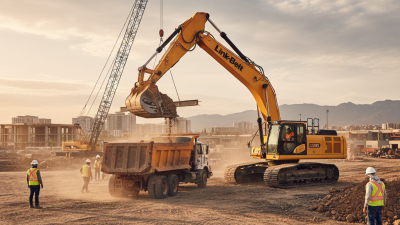
Robotic systems and automated machinery can streamline operations. For instance, drones are increasingly being used for site surveys. They provide real-time data and enhance decision-making. Autonomous vehicles, such as excavators and bulldozers, can operate with minimal human intervention. This efficiency, however, brings up questions of reliability and safety in untested environments.

The adoption of these technologies is not without challenges. Implementation costs can be high, and the learning curve is steep for many workers. A report from the World Economic Forum indicates that workforce training will be essential to bridge this gap. There is also the need for a framework to ensure that these tools integrate well with traditional methods. The industry must adapt to reap the benefits of this technological evolution while addressing these critical issues.

Smart Equipment: Integration of IoT in Construction Machinery

2026 Top Construction Equipment and Machinery Trends You Should Know?

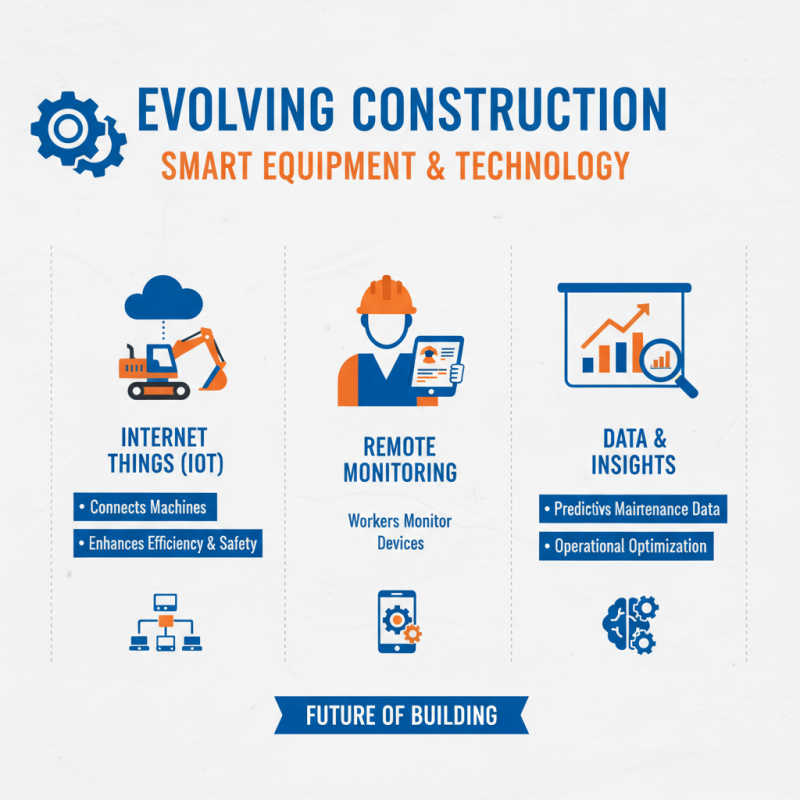
The construction industry is evolving, largely due to technology. Smart equipment is leading this change. The Internet of Things (IoT) integrates into construction machinery, enhancing efficiency and safety. Workers can monitor machines from their devices. This technology collects data, providing insights into equipment performance.

Tips: Always invest in training for your team. Understanding IoT technology is essential. Keep updating your devices. Outdated technology may hinder progress.

With IoT, equipment can send alerts about maintenance needs. This proactive approach prevents breakdowns on-site. However, not all companies fully embrace these advancements. Some hesitate, fearing the cost. It's important to assess long-term benefits versus initial expenses.

Tips: Start with pilot projects before full implementation. Evaluate the outcomes before scaling up. Collaboration with tech experts can ease the transition.

Market Dynamics: Key Players and Innovations in 2026 Construction Sector

2026 Top Construction Equipment and Machinery Trends You Should Know?

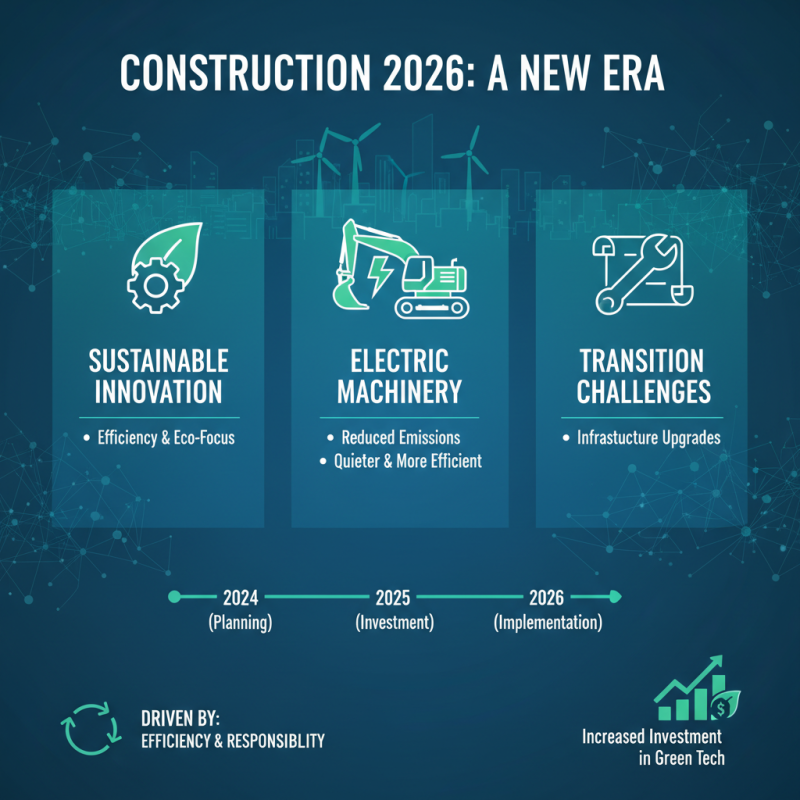
The construction sector in 2026 is experiencing significant innovation. Key players are investing heavily in sustainable practices. This shift is driven by the need for efficiency and environmental responsibility. Many companies are adopting electric machinery to reduce emissions. These machines are not only quieter but also more efficient. However, the transition is not without challenges. Infrastructure upgrades require careful planning and resources.

Automation is transforming how projects are managed. Robotics and AI are streamlining workflows. Drones facilitate site surveys while monitoring progress. Yet, reliance on technology may lead to gaps in traditional skills. Workers may feel threatened by automation. Training remains essential to bridge this divide.

Collaboration among stakeholders will be critical. Emerging trends indicate a shift towards partnerships. Sharing knowledge and resources can spur innovation. However, establishing trust among partners is vital. Miscommunication can derail projects. It’s crucial to focus on transparent collaboration for success. Embracing these trends is essential but requires a mindset shift.