2026 Top Logging Equipment Trends What to Buy?
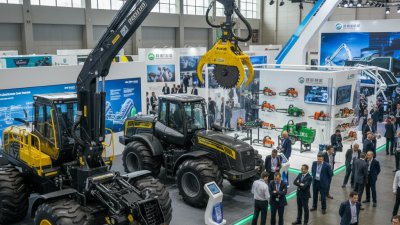
As the logging industry evolves, so do the tools and technologies that support it. In 2026, choosing the right logging equipment will be crucial for efficiency and productivity. New advancements promise greater sustainability, reduced waste, and enhanced safety for operators.
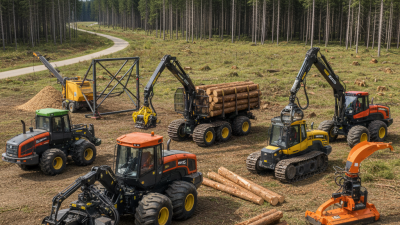
Operators face a plethora of equipment options. These choices can feel overwhelming. It's vital to understand which equipment can streamline operations and meet specifications. From advanced feller bunchers to efficient skidders, each piece of logging equipment has unique features. However, investing in the latest tools requires careful consideration and research.
Anticipating the trends and understanding your specific needs will be pivotal. It’s not just about what’s new; it’s about what truly works in practice. Reflecting on past purchases may reveal mistakes that should inform future decisions. In this dynamic landscape, accurate knowledge is more important than ever.

Emerging Technologies in Logging Equipment for 2026
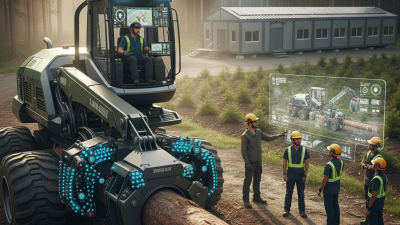
The logging industry is on the brink of a technological shift as we approach 2026. Emerging technologies are set to enhance efficiency and sustainability in logging operations. One key trend is the integration of advanced automation in equipment. Machines equipped with smart sensors can now monitor tree health, soil conditions, and weather patterns in real-time. This data-driven approach improves decision-making and boosts productivity.
Another significant development is the use of drones. These aerial devices can assess forest conditions quickly and accurately. By capturing
high-resolution images, drones help identify areas for logging while minimizing impact on the environment. However, the reliance on such technology raises questions.
Is the logging industry ready for this level of precision?
Additionally, electric logging equipment is gaining traction. These machines reduce emissions, making operations more environmentally friendly. However, the challenge lies in ensuring battery life and performance under demanding conditions. As these innovations unfold, the logging sector must adapt and reconsider traditional practices to embrace change effectively.
Sustainable Practices Influencing Logging Equipment Choices
As the logging industry evolves, sustainable practices are shaping equipment choices. Forest management is crucial for environmental health. Equipment that reduces emissions or enhances energy efficiency is gaining attention. This shift encourages manufacturers to innovate. Machines designed for minimal soil disruption are becoming more common. Operators now look for models that minimize impact while maximizing productivity.
Adopting sustainable equipment can present challenges. Higher initial costs may deter some operators. Maintenance training is necessary for new technologies. Not every logging company is prepared for this shift. Operators must weigh short-term costs against long-term benefits. Emphasizing responsible logging practices can improve public perception. It may also open doors to new markets.
Finding reliable information is key. Seek insights from industry experts who prioritize sustainability. Engaging with forums can also provide valuable perspectives. The move toward sustainable practices may seem daunting. However, small steps can lead to significant changes in the industry. Embracing new technology is not only a trend but a necessity for future logging success.
Key Features to Look for in 2026 Logging Machinery
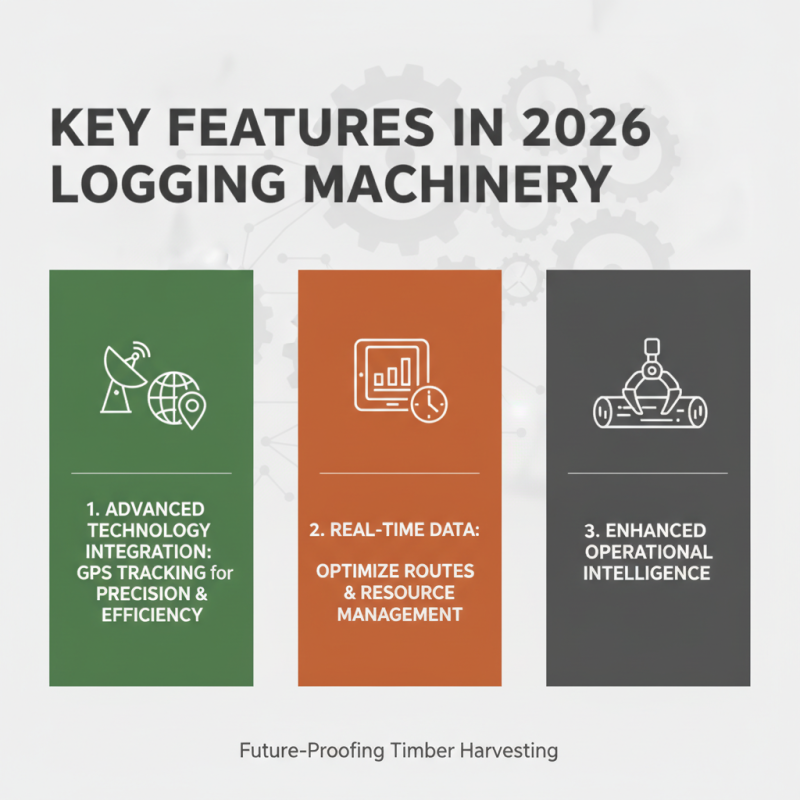
When considering logging equipment in 2026, key features make a significant difference. Expect advanced technology integration in machinery. Features like GPS tracking enhance precision and efficiency. Real-time data can help operators optimize their routes and manage resources effectively.
In addition to technology, the durability of the equipment is crucial. Look for machinery built with robust materials that withstand harsh conditions. Corrosion-resistant parts prolong the lifespan of logging equipment. Ergonomic designs improve operator comfort, reducing fatigue during long hours.
Another important feature is fuel efficiency. As environmental concerns rise, machines that consume less fuel are preferred. Equipment that minimizes emissions is not only eco-friendly but can reduce operational costs. However, achieving the right balance between power and efficiency can be challenging. The industry needs continual evaluation to ensure machinery meets evolving needs and standards.
Top Brands Leading the Logging Equipment Market
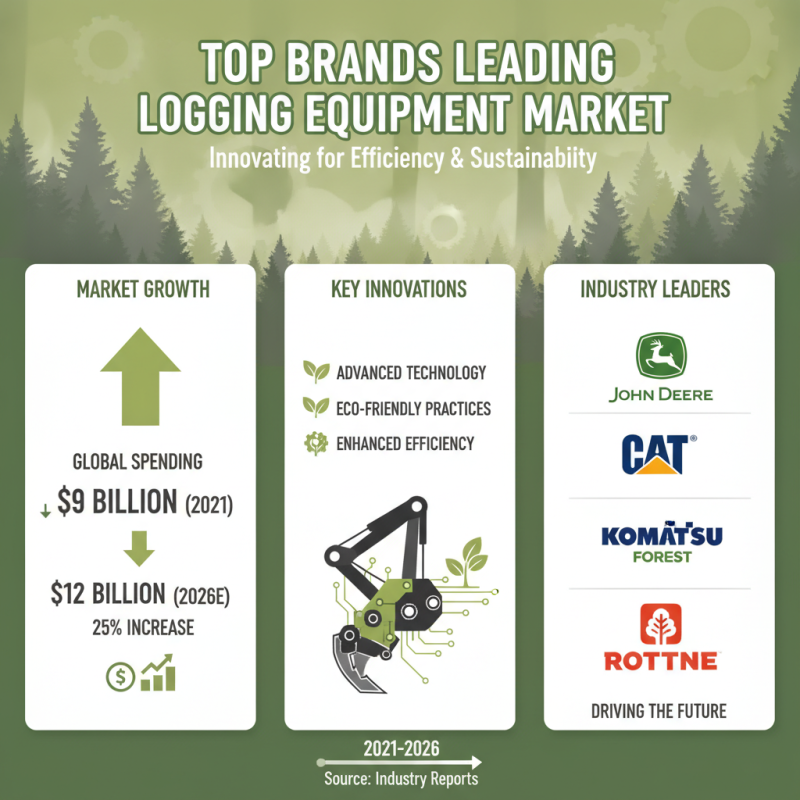
The logging equipment market is witnessing notable shifts. Dominating brands in this space are innovating to enhance efficiency and sustainability. Industry reports indicate that by 2026, global spending on logging equipment is expected to reach $12 billion, up from $9 billion in 2021. This surge reflects a growing emphasis on advanced technology and eco-friendly practices.
Leading manufacturers are prioritizing machinery that provides higher productivity while reducing environmental impact. For instance, many companies are investing in telematics systems to track equipment performance. These systems improve decision-making and minimize downtime. However, some brands struggle with integration issues, which can lead to operational inefficiencies.
Moreover, adopting electric-powered logging equipment is becoming a key trend. Electric machinery can reduce emissions significantly. Yet, the transition presents challenges. Initial costs for electric models can be prohibitive. Maintenance and training for new systems require careful planning. Brands must weigh these factors carefully to remain competitive. Reliable market data will guide these decisions, ensuring tools align with future logging needs.
Future Trends Shaping the Logging Equipment Industry
The logging equipment industry is on the verge of significant change. A recent report predicts the global logging equipment market will grow by 4.3% from 2023 to 2028. This growth is shaped by advancements in technology and changing environmental regulations. More companies are embracing automation to increase efficiency and reduce labor costs.
Smart technology integration is a key trend. Equipment equipped with IoT sensors can optimize performance. These devices provide real-time data. This data allows operators to monitor equipment health and productivity, identifying issues before they escalate. Similarly, there is a visible shift toward more sustainable practices. Reports show a 35% increase in demand for eco-friendly logging methods. These methods include reduced impact logging and better waste management practices.
Safety remains a critical focus. A survey reveals that 60% of logging accidents result from equipment failure. Innovative safety features are now being prioritized in equipment design. New machinery includes better visibility, advanced stabilization systems, and automated shutoffs. However, despite these advancements, there is still a significant need for training and adaptation within the workforce. The challenge is ensuring that operators are well-equipped to use new technologies effectively. Failure to do so can negate the benefits of innovative equipment.
2026 Top Logging Equipment Trends