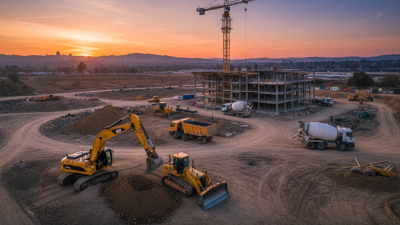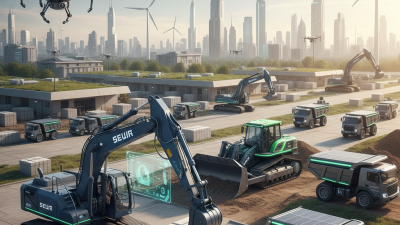
Construction projects in 2026 demand machines that match the work, the ground, and the crew’s experience. A powerful specification sheet is useful, but it cannot show how a machine feels after a long shift or performs on a cramped site. The best construction equipment machine is therefore not always the largest or newest. It is the one that safely and reliably handles the job without adding unnecessary cost or downtime.
This guide compares key equipment categories, including excavators, wheel loaders, bulldozers, backhoe loaders, and telehandlers. It considers practical factors such as operating capacity, fuel or energy use, visibility, service access, attachment options, and transport needs. Small details matter. A clear view from the cab can help operators work confidently around people and materials. Easy-to-reach service points may also reduce the time a machine spends out of action.
Conditions vary. Soil, weather, project scale, local dealer support, and parts availability all affect what makes a machine a sound choice. Model specifications and availability can also change by market, so buyers should confirm details with manufacturers or authorized dealers. Rankings have limits, too: a machine that excels on a road project may be poorly suited to a tight urban renovation. That is easy to overlook. The sections ahead offer a practical framework for comparing machines, weighing trade-offs, and choosing equipment that fits real site demands—not just a brochure.
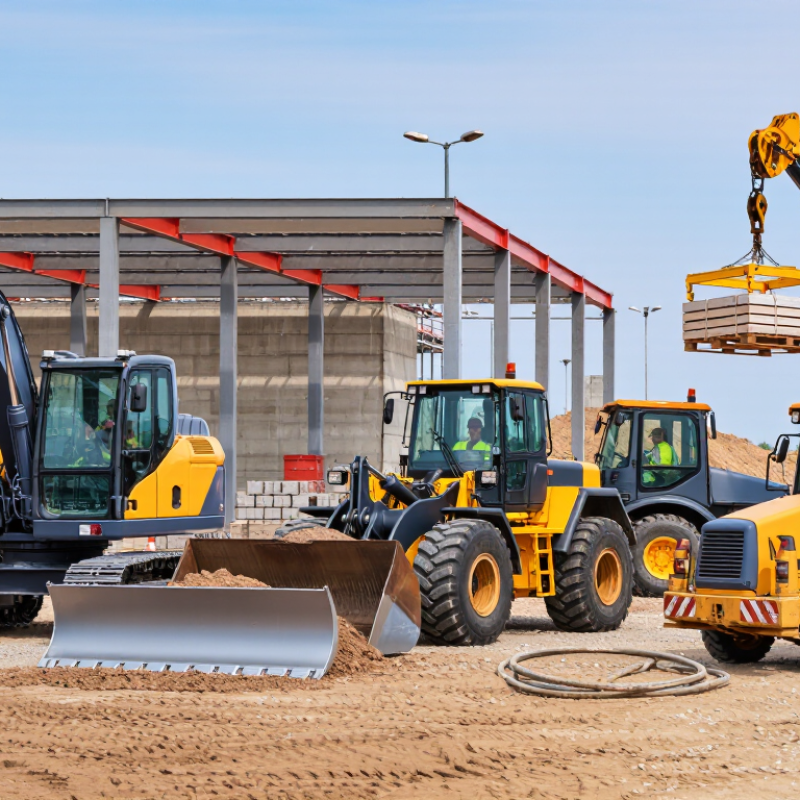
Construction equipment is easiest to classify by the work it performs, not by size alone. Earthmoving machines, such as excavators and bulldozers, dig, push, and shape soil. Material-handling machines, including cranes and forklifts, lift loads or move them around a site. Road-building equipment prepares and finishes surfaces with graders, pavers, and rollers. That matters.
Other useful groups include concrete equipment, hauling machines, and compaction equipment. Mixers combine concrete; pumps deliver it to forms or elevated areas. Dump trucks transport soil, aggregate, and debris, while rollers press loose layers into a firmer base. Some machines serve more than one role. A loader, for example, can move material and help load trucks, depending on its attachment and site conditions.
Equipment can also be classified by mobility: tracked, wheeled, or stationary. Tracks may offer better flotation on soft ground, while wheeled machines often travel more easily across firm surfaces. Neither is automatically the better choice. Classification has limits, too: a machine’s attachment can change its function, and site conditions may matter more than its category. A bucket, breaker, or lifting boom can make the same base machine useful for very different tasks. Before selecting equipment, compare the ground, access routes, load requirements, and work sequence. Even careful planning can miss something; narrow gates and muddy staging areas are easy to underestimate.
Evaluating construction machines in 2026 starts with the job, not the specification sheet. Match machine size and capacity to the materials, haul distance, ground conditions, and available working space. A loader that performs well on firm ground may lose time on a muddy, confined site. Check fuel or energy use under realistic loads, not only at idle. Include maintenance, tires or tracks, transport, and downtime when estimating operating costs. A short trial on representative work can reveal slow cycle times or poor visibility. Specs alone are not enough.
Safety and serviceability deserve equal weight. From the operator’s seat, check sightlines around the bucket, mirrors or cameras, access steps, and control layout. Ask operators to test the machine during a full shift; small discomforts can grow into fatigue. Inspect how easily technicians can reach filters and routine service points. Review maintenance records and availability of replacement parts before purchase. If digital monitoring is offered, confirm that its reports show useful measures, such as idle time and fault history. No scorecard is perfect. A tidy spreadsheet can still miss a difficult shift or an awkward repair.
Key Criteria for Evaluating Construction Machines in 2026
Operating weight is one useful comparison point, not a measure of which machine is best. Choose equipment for the job by also considering capacity, reach, terrain, fuel use, safety, serviceability, and total cost of ownership. Ranges shown are approximate class-level examples; specifications vary by model and configuration.
In 2026, the best construction machines are the ones matched to the work, ground, and crew. For earthmoving, excavators handle trenching, footing cuts, and loading spoil into trucks. Their reach and bucket capacity matter, but so does tail swing on a crowded site. Dozers spread fill and shape rough grades. A grader can leave a smoother finish on long access roads, though it may be excessive for a small lot. Small details count.
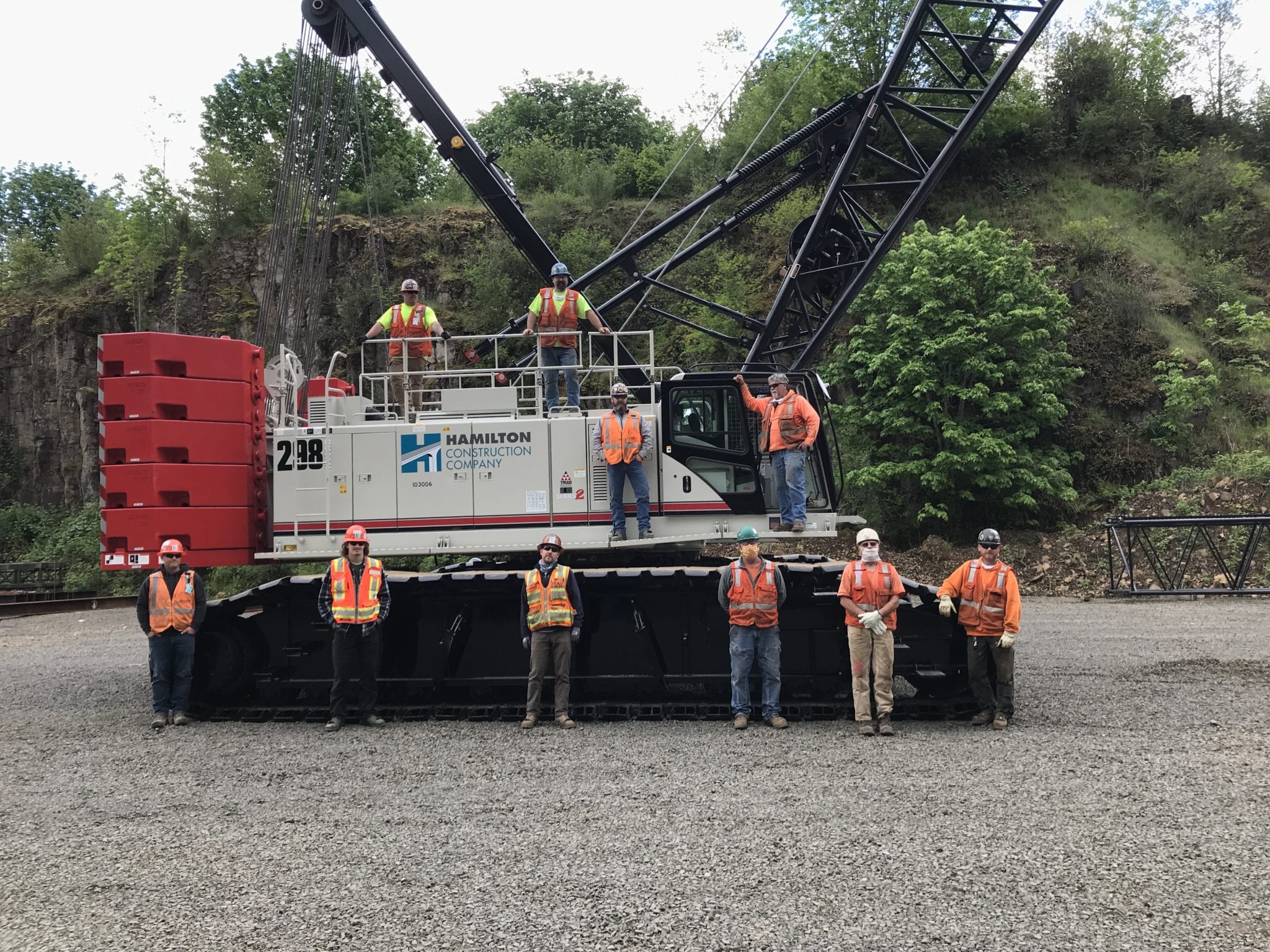
For lifting, rough-terrain cranes suit uneven sites, while telehandlers move palletized materials between delivery areas and elevated work zones.
Check rated capacity at the actual boom reach, not just the machine’s largest advertised figure. Outriggers need firm, level support.
A lift plan can still miss changing soil conditions, so the operator and ground crew should reassess when the site shifts.
Material handling depends on the load and travel path. Wheel loaders move loose aggregate quickly; forklifts are more suitable for stable pallets on prepared surfaces.
Tire choice, visibility, braking, and turning space affect safe, efficient operation. Match capacity to real loads, including attachments. Bigger is not always better. It can increase fuel use and leave less room to maneuver.
Compare service access, operator training needs, and expected hours before choosing. Even a careful equipment plan can be wrong when deliveries, weather, or site access change.
On active sites, electric machines are moving beyond small tools. Battery-powered compact loaders and excavators can reduce local exhaust and noise, especially indoors or near occupied buildings. Charging still shapes the workday. Cold weather, long shifts, and limited grid capacity can make an electric machine a poor fit. That trade-off is easy to underestimate.
Autonomous functions are also becoming more practical, though full autonomy remains uneven. Grade control, obstacle alerts, and assisted digging can help operators repeat accurate work and reduce unnecessary movement. Connected machines add another layer. Telematics can show idle time, fuel or battery use, fault codes, and maintenance needs. Managers can compare utilization across a fleet, but the dashboard is useful only when data is checked and acted on. Data quality matters. Poor signals and incorrect settings can mislead.
For buyers, the best machine is the one that matches the site, not the newest feature list. Compare duty cycles, charging access, operator training, service support, and total cost over several years. Ask for a field trial on real tasks: loading wet soil, trenching beside utilities, or moving through tight gates. Technology can help. It cannot fix a weak plan or rushed maintenance. Even reliable systems sometimes need a human second look.
What Are the Best Construction Equipment Machines in 2026?
How to Choose Equipment for a Construction Project
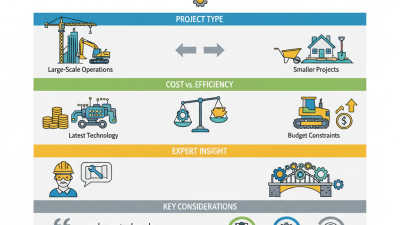
The best machine is the one that fits the work, site, and schedule—not simply the largest or newest. Start with the task: digging narrow utility trenches calls for a different machine than moving aggregate across a broad site. Check ground conditions, access width, lift height, haul distance, and expected operating hours. Then compare ownership and rental costs, including transport, fuel, maintenance, and downtime. A machine that looks efficient on paper may be a poor fit on soft ground.
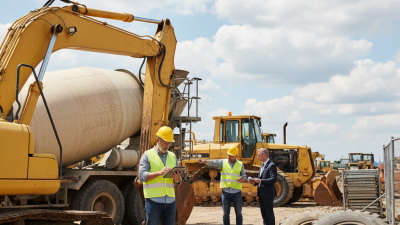
Safety belongs in the selection process, too. The U.S. Bureau of Labor Statistics recorded 1,075 fatal work injuries in the construction industry in 2023. That figure covers the industry overall, not equipment-related incidents, but it underlines why visibility, stable operation, suitable attachments, and operator training deserve attention. Fit matters. Ask operators to review the plan; they may spot access or handling problems that a spreadsheet misses.
Tips: Measure gates, turning space, and overhead clearance before delivery. Match machine capacity to the heaviest expected load, not the average one. Confirm that trained operators are available and that service support can reach the site. Leave a little room for uncertainty; project conditions change, and estimates are not guarantees.
| Project Task | Suitable Machine | Typical Working Range | Why It May Be the Best Fit | Key Selection Checks |
|---|---|---|---|---|
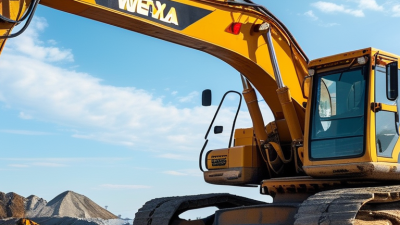
| Deep excavation, foundations, or large-scale earthmoving | Hydraulic excavator | Medium-to-large models commonly have operating weights of about 20–35 tonnes and bucket capacities around 0.8–1.8 m³. | Offers digging reach, lifting capability, and a wide choice of attachments for excavation and material handling. | Check digging depth and reach, ground conditions, attachment needs, transport limits, and required lifting capacity. |
| Road construction, land clearing, or pushing soil | Bulldozer | Medium and large machines commonly weigh about 15–30 tonnes; blade size and machine weight vary by model. | Provides strong pushing force for rough grading, stripping topsoil, and moving material over short distances. | Match blade type and machine size to material, slope, traction, site access, and finish-grade requirements. |
| Loading stockpiles and moving aggregate | Wheel loader | Common construction loaders may use buckets of roughly 2–5 m³, depending on machine size and material density. | Loads trucks quickly and moves material efficiently across firm, relatively level ground. | Consider bucket capacity, payload, travel distance, turning space, tire conditions, and the density of the material. |
| Small-to-medium excavation, trenching, and utility work | Backhoe loader | Typical digging depth is approximately 3–6 m, depending on configuration and reach. | Combines a front loader and rear excavator, making it versatile for projects with varied tasks and limited space. | Check digging depth, stabilizer requirements, bucket options, site access, and whether separate machines would be more productive. |
| Hauling excavated soil, rock, or aggregate around a site | Articulated dump truck | Many construction models carry approximately 25–45 tonnes, with capacity varying by configuration and material. | Articulated steering and suitable tires help it travel over uneven or soft ground. | Match payload to excavator or loader output; check haul distance, gradients, ground conditions, turning areas, and site rules. |
| Compacting soil, subbase, or asphalt | Vibratory roller | Drum widths commonly range from about 1–2.2 m; machine weight and vibration settings vary by application. | Improves compaction consistency on road, parking, and building-pad work when selected for the material and lift thickness. | Identify soil or asphalt type, target compaction, layer thickness, required passes, drum width, and vibration suitability. |
| Fine grading of roads, shoulders, and large site surfaces | Motor grader | Typical moldboard lengths are about 3–4.3 m, depending on machine class. | Its adjustable blade can shape, level, and maintain long surfaces with precise control. | Consider grading accuracy, blade reach, surface width, slope control, operator visibility, and site maneuverability. |
| Lifting materials or equipment into position | Mobile crane | Crane capacities vary widely; common job-site classes may range from tens to more than 100 tonnes. | Provides lifting reach and mobility for structural components, machinery, and other planned lifts. | Use the load chart for the exact configuration; verify load weight, radius, boom length, ground bearing, setup space, and lift plan. |
| Placing pallets and materials at height on a building site | Telehandler | Many construction models have rated capacities around 2.5–5 tonnes, with capacity decreasing as reach and lift height increase. | A telescopic boom helps place loads at elevated or offset locations where a conventional forklift may not reach. | Check the load chart at the required height and reach, attachment rating, ground slope, load stability, and access clearance. |
| Delivering ready-mix concrete to a placement area | Concrete mixer truck | Drum capacities commonly fall around 6–10 m³; usable delivery volume depends on truck configuration and local limits. | Keeps concrete agitated during delivery and supports continuous placement when access and scheduling are well coordinated. | Confirm access, turning space, delivery timing, permitted vehicle weight, pour rate, and whether a pump or chute is needed. |