Best Hydraulic Pumps for Efficient Performance and Reliability?
In the world of machinery, Hydraulic Pumps play a critical role. Their efficiency and reliability directly impact various industrial applications. Numerous designs exist, each with unique features and benefits. Choosing the right hydraulic pump can be a daunting task. It requires careful consideration of performance, brand reputation, and user needs.
Many users overlook key details. For instance, the pump's flow rate and operating pressure significantly affect its effectiveness. Additionally, understanding the materials used in a pump can enhance its longevity. Investing time in research can save future headaches. Not every hydraulic pump is made equal; some will underperform, leading to inefficient operations. Many users have faced unexpected failures, prompting re-evaluation of their choices.
In this guide, we will explore the best hydraulic pumps available on the market. We aim to provide insights based on expert evaluations and real-world experiences. By considering factors like reliability and performance, you can make informed decisions. Ultimately, the right hydraulic pump can enhance productivity and reduce downtime in your operations.
Types of Hydraulic Pumps and Their Applications
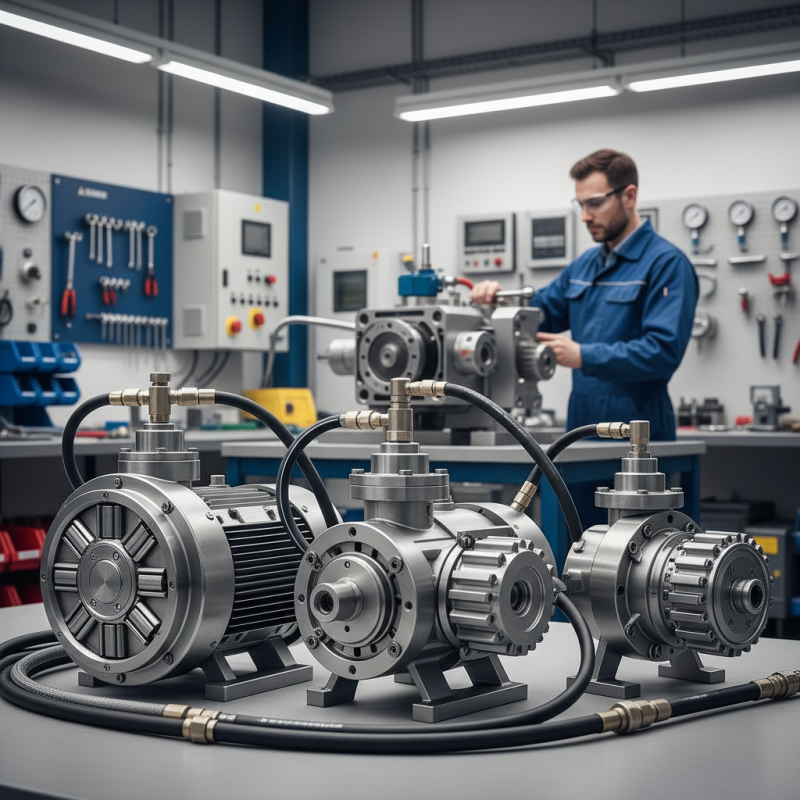
Hydraulic pumps are essential in various industrial applications. They convert mechanical energy into hydraulic energy. This process enables a range of machines to perform efficiently. Understanding the different types of hydraulic pumps is crucial for selecting the right one.
There are several types of hydraulic pumps, each serving specific purposes. Gear pumps are widely used for their simplicity and durability. They work well in low-pressure applications. Vane pumps, on the other hand, are known for their smooth operation and efficiency. They are often found in mobile machinery. Piston pumps are another option, suitable for high-pressure systems. They deliver a powerful hydraulic flow, making them ideal for heavy-duty tasks.
Some projects may require a combination of different pumps. The choice often depends on the application’s specific needs. This means careful consideration of flow rate and pressure is necessary. Each type has its strengths and weaknesses; some may wear out faster than others. Regular maintenance is vital to ensure reliability and efficiency.
Key Features to Consider for Efficient Hydraulic Pump Design
When selecting a hydraulic pump, understanding its design is key. Efficient hydraulic pumps rely on specific features. Look for durable construction to withstand high pressures. A protective casing can enhance lifespan and reduce maintenance needs.
Consider the pump's performance specifications such as flow rate and pressure capacity. These numbers directly impact efficiency in various applications. Additionally, a user-friendly interface is essential for seamless operation. However, many designs still have flaws, such as poor energy efficiency. Some pumps may not deliver consistent performance over time.
Another significant aspect is adaptability. The best hydraulic pumps can integrate with different systems. This versatility is vital in dynamic work environments. Oversights in pump selection often lead to operational inefficiencies. Users should reflect on their needs before finalizing a choice. Balancing efficiency with reliability requires careful consideration and a willingness to explore all options.
Top Brands for Reliable Hydraulic Pumps in the Market
When choosing hydraulic pumps, reliability is key. Several top brands have established a reputation for quality and efficiency. These companies often prioritize innovation and durability in their designs. A well-designed hydraulic pump can significantly enhance operational performance across various applications.
Offering a range of models, these brands cater to diverse needs. Some focus on compact designs for limited spaces, while others provide robust solutions for heavy-duty tasks. Each brand has unique features that can improve efficiency. However, it’s important to consider the specific requirements of your operations before making a decision.
User reviews can reflect real-world experiences with these hydraulic pumps. However, not all feedback is perfect. Some users report issues like noise levels or wear over time. Careful consideration of both positive and negative reviews can guide you in selecting a reliable option. Ultimately, understanding your needs and assessing different models will lead to informed choices.
Efficiency and Reliability of Hydraulic Pumps
This chart represents the performance efficiency and reliability ratings of various hydraulic pump types based on user feedback and performance metrics. The data has been compiled to provide insights into which types of hydraulic pumps may offer the best efficiency and reliability for various applications.
Maintenance Tips for Long-lasting Hydraulic Pump Performance
Maintaining the performance of hydraulic pumps is crucial for efficiency and longevity. Regular inspection and maintenance can significantly enhance the lifespan of these vital components. According to industry reports, nearly 70% of hydraulic pump failures stem from improper maintenance practices. Neglecting simple tasks can lead to costly downtimes.
One effective maintenance tip is to monitor fluid conditions regularly. Contaminated fluids can damage pump components. In fact, fluid cleanliness is one of the leading factors affecting hydraulic systems. Keeping oil levels consistent helps prevent cavitation and overheating, both of which can lead to premature pump failure. Cleaning filters and ensuring proper fluid viscosity can help maintain operational efficiency.
Another key practice is to check for leaks frequently. Studies show that hydraulic systems with leaks lose around 15% of their efficiency. Identifying and fixing leaks promptly can save energy and costs. It’s also beneficial to follow manufacturer guidelines for maintenance intervals. Neglecting these recommendations can lead to unexpected breakdowns. Implementing these measures ensures reliability and maximizes hydraulic pump performance over time.
Best Hydraulic Pumps for Efficient Performance and Reliability
| Pump Type | Flow Rate (GPM) | Pressure Rating (psi) | Efficiency (%) | Weight (lbs) |
| Gear Pump | 10 | 2500 | 90 | 20 |
| Vane Pump | 15 | 2000 | 85 | 25 |
| Piston Pump | 20 | 3000 | 92 | 30 |
| Screw Pump | 12 | 2800 | 88 | 22 |
| Hydraulic Gear Pump | 25 | 1500 | 89 | 18 |
Common Issues and Troubleshooting for Hydraulic Pumps
Hydraulic pumps are essential for many industrial applications. However, they can face various issues affecting performance and reliability. Common problems include leaks, overheating, and irregular pressure fluctuations. Identifying these issues early can prevent costly downtime.
Leaks are often caused by worn seals or loose fittings. Regular inspections can help detect these early on. Overheating may result from inadequate fluid levels or blocked filters. Frequent monitoring of fluid temperature is crucial for preventing this issue. Pressure fluctuations can indicate internal damage or a failing pump. Keeping records of operational data can aid in troubleshooting.
Prompt maintenance is vital. Establishing a routine check can highlight emerging issues. Operators should document any abnormal sounds or performance changes. Reflection on past pump failures can guide better practices in care and usage. Investing time in understanding these common problems can lead to improved efficiency and longevity of hydraulic pumps.