China Top 10 Construction Machinery Manufacturers
China’s construction machinery industry has become a powerful force in global equipment markets. Its leading manufacturers supply excavators, cranes, loaders, concrete pumps, and road equipment across many regions. The China Top 10 Construction Machinery Manufacturers list examines companies shaping this expansion through scale, engineering capability, product range, and international reach.
KHL Group’s Yellow Table ranks manufacturers by annual construction equipment sales. Its recent editions place several Chinese companies among the world’s largest producers. Off-Highway Research also identifies China as a critical market for excavators and other heavy equipment. These reports point to strong domestic demand, extensive manufacturing capacity, and growing overseas sales. However, market leadership involves more than revenue. A machine working beside a highway must also deliver fuel efficiency, uptime, operator safety, and dependable local service.
That detail matters.
This article compares leading Chinese brands using public financial information, industry rankings, product portfolios, and visible project experience. The phrase “machines construction” may sound awkward, but it reflects a broad search interest around construction machines and equipment suppliers. Rankings can change when companies report sales differently. No single report tells the whole story. Some figures include mining equipment, while others focus strictly on construction machinery. Readers should treat the list as an informed market guide, not an absolute verdict. Manufacturing quality, dealer coverage, after-sales response, and technological investment deserve equal attention when selecting a long-term equipment partner.
Industry Scale: RMB 917.8 Billion in 2023 Revenue and a 13.3% Decline
China’s construction machinery industry recorded RMB 917.8 billion in revenue in 2023, while the market declined by 13.3%. This contraction shows how quickly equipment demand can change. Softer property investment, delayed projects, and cautious fleet replacement affected purchasing decisions. The leading ten manufacturers therefore compete in a demanding environment, not a simple growth market.
From practical procurement experience, buyers should examine hydraulic performance, fuel use, service response, and parts availability. A low purchase price may hide higher downtime costs. Field tests matter. Published specifications are useful, but operating conditions often tell a different story. Revenue figures can also vary by statistical scope, so comparisons require careful checking.
Tips: Compare three-year demand trends, not one annual result. Ask for maintenance records and realistic delivery times. Review local technician coverage before signing a contract. Keep a repair budget for the first operating year. A spreadsheet helps, but it cannot replace a site inspection. Industry decline does not mean every product category weakened equally; excavators, loaders, cranes, and road equipment may follow different cycles. That distinction deserves more attention.
Global Leaders: XCMG, Sany and Zoomlion in KHL’s 2024 Yellow Table
China’s construction machinery sector has become a major force in the global equipment market. The 2024 Yellow Table places three Chinese manufacturers among the world’s leading suppliers. Their presence reflects strong demand for excavators, cranes, loaders, concrete equipment, and mining machines.
In practice, their progress is visible on busy job sites. Large excavators work beside highways, while tower cranes rise above dense urban projects. Overseas distributors now support parts, training, and field service in more regions. This service network matters as much as machine size. Operators need clear controls, durable components, and quick technical responses when a hydraulic system fails.
The ranking is useful, but it is not a complete performance test. It mainly compares reported construction equipment revenue, not every measure of quality or customer satisfaction. A high position may show scale, yet local regulations, fuel costs, and dealer strength can change the ownership experience. That deserves more attention. Buyers should compare operating data, maintenance records, warranty terms, and resale prospects before choosing equipment. Some published figures may also vary with currency changes and reporting methods. The industry still needs greater transparency. Reliability is proved slowly, through machines working in dust, rain, heat, and long shifts.
KHL 2024 Yellow Table: Top 10 Manufacturers by Headquarters Country
The chart shows the number of manufacturers from each headquarters country represented in the global top 10 of KHL’s 2024 Yellow Table. China accounts for three companies, while Japan and the United States each account for two. The remaining three manufacturers are headquartered in Germany, Sweden, and Finland.
Source: KHL Yellow Table 2024 global construction equipment manufacturer rankings.
The Top 10 Manufacturers: LiuGong, Shantui, Sunward and Seven Challengers
China’s construction machinery sector includes three established manufacturers and seven ambitious challengers. Their products cover excavators, loaders, bulldozers, cranes, and drilling equipment. Market rankings can change by revenue, export volume, or product category.
Experienced contractors often judge machines beside a muddy trench, not in a showroom. They check hydraulic response, fuel use, cab visibility, and attachment changes. A reliable excavator should start smoothly on a cold morning and maintain stable digging power after long shifts. Dealer support matters too. A fast parts delivery can prevent several lost working days.
The leading manufacturers usually invest heavily in research, testing, and international service networks. The seven challengers compete through compact equipment, smart controls, lower operating costs, or specialized drilling solutions. Some offer impressive technology, yet software support may remain uneven in remote regions. That weakness deserves attention.
Field data is more useful than promotional claims. Buyers should compare warranty terms, maintenance intervals, operator feedback, and resale values. A machine that looks cheaper may consume more fuel over five years. I have also seen productivity estimates fail when soil conditions change. Real projects are rarely as clean as brochures suggest.
Product Strengths: Excavators, Cranes, Loaders and Concrete Pumps
China Top 10 Construction Machinery Manufacturers
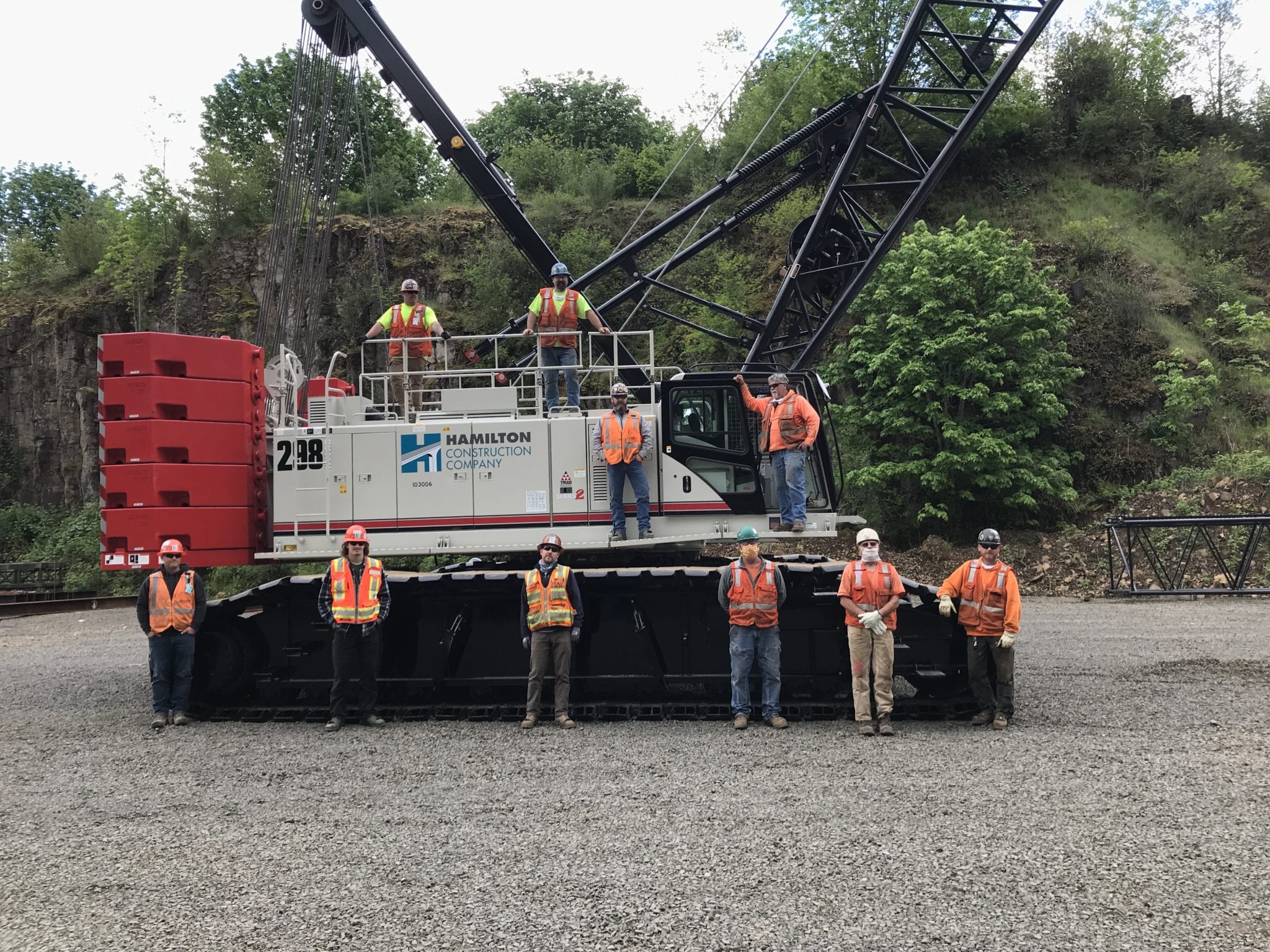
China’s leading construction machinery manufacturers compete through excavators, cranes, loaders, and concrete pumps. Their product strength often appears in demanding site conditions, not showroom displays. Excavators need stable digging power, smooth hydraulic control, and protected undercarriages. On rocky ground, poor hose routing can create expensive downtime. Cranes require accurate load handling, dependable braking, and clear operator visibility. A small control delay matters when steel sections move above workers.
Wheel loaders should balance breakout force with fuel efficiency. Their buckets must fill cleanly, even in wet aggregate. Concrete pumps need steady pressure, simple cleaning access, and wear-resistant delivery pipes. In my experience, service response can matter as much as rated output. Product brochures rarely show muddy access roads or blocked pump lines. That is worth questioning.
Tips: Check local service coverage, spare-parts availability, and operator training before purchase. Compare working cycles, not only engine power. Ask for maintenance records and test results. Inspect welds, hose protection, safety alarms, and cabin ergonomics in person. A perfect machine does not exist. Even strong equipment may disappoint when matched poorly with soil, lift height, or concrete mix. Careful buyers should record actual fuel use and idle time during early projects, then adjust their fleet decisions.
China Top 10 Construction Machinery Manufacturers - Product Strengths: Excavators, Cranes, Loaders and Concrete Pumps
| Rank |
Manufacturer Identifier |
Primary Product Strength |
Excavator Operating Weight |
Crane Lifting Capacity |
Wheel Loader Payload |
Concrete Pump Output |
Typical Application Focus |
Product Portfolio Breadth |
| 1 |
Manufacturer 01 |
Integrated heavy construction equipment and concrete machinery |
1.5–90 tonnes |
25–2,000 tonnes |
1.5–7.0 tonnes |
60–180 m³/h |
Infrastructure, high-rise construction and large industrial projects |
Very High |
| 2 |
Manufacturer 02 |
Excavators, crawler cranes and concrete placement systems |
1.8–95 tonnes |
35–3,600 tonnes |
1.8–6.5 tonnes |
60–200 m³/h |
Mining, energy projects, bridges and commercial construction |
Very High |
| 3 |
Manufacturer 03 |
Large cranes, road machinery and earthmoving equipment |
1.5–80 tonnes |
25–4,000 tonnes |
1.5–7.5 tonnes |
60–180 m³/h |
Wind power, highways, ports and large-scale infrastructure |
Very High |
| 4 |
Manufacturer 04 |
Excavators, loaders and compact equipment |
1.0–50 tonnes |
10–160 tonnes |
1.0–6.0 tonnes |
50–160 m³/h |
Municipal works, quarrying, agriculture and general construction |
High |
| 5 |
Manufacturer 05 |
Bulldozers, mining equipment and large earthmoving machines |
20–90 tonnes |
50–600 tonnes |
3.0–8.0 tonnes |
Not a primary product line |
Open-pit mining, bulk earthworks and major site preparation |
High |
| 6 |
Manufacturer 06 |
Wheel loaders, motor graders and material handling equipment |
1.5–45 tonnes |
10–120 tonnes |
1.5–6.5 tonnes |
Not a primary product line |
Aggregates, logistics yards, road construction and municipal services |
High |
| 7 |
Manufacturer 07 |
Compact excavators, drilling rigs and foundation equipment |
0.8–38 tonnes |
10–150 tonnes |
0.8–4.5 tonnes |
50–140 m³/h |
Urban construction, foundations, utilities and confined job sites |
Medium–High |
| 8 |
Manufacturer 08 |
Agricultural and construction loaders with compact excavators |
1.5–36 tonnes |
10–100 tonnes |
1.0–5.5 tonnes |
Not a primary product line |
Rural infrastructure, material handling and mixed-use applications |
Medium–High |
| 9 |
Manufacturer 09 |
Mini and medium excavators for export-oriented applications |
0.8–30 tonnes |
10–80 tonnes |
0.8–4.0 tonnes |
Not a primary product line |
Landscaping, utilities, rental fleets and light construction |
Medium |
| 10 |
Manufacturer 10 |
Concrete pumps, truck-mounted equipment and specialized machinery |
1.5–45 tonnes |
20–160 tonnes |
1.5–5.5 tonnes |
60–200 m³/h |
Residential buildings, commercial projects and ready-mix concrete work |
Medium–High |
Note: Product ranges are representative figures compiled from publicly available Chinese construction-equipment catalogs and vary by model, configuration and market. Crane capacity refers to maximum rated lifting capacity, wheel-loader payload refers to rated operating payload, and concrete-pump output refers to nominal maximum theoretical delivery.
Market Evidence: 195,018 Excavators Sold in 2023, Including 105,038 Exports
China’s construction machinery sector showed strong export momentum in 2023. Industry sales data recorded 195,018 excavators, including 105,038 units shipped overseas. Exports represented roughly 53.9% of total sales. This ratio signals more than production capacity. It reflects wider acceptance in infrastructure, mining, agriculture, and rental markets.
The top 10 construction machinery manufacturers operate within this expanding ecosystem. Their competitiveness depends on hydraulic efficiency, structural durability, intelligent controls, and service response. A machine working on a dusty road needs sealed components and simple maintenance access. Overseas buyers also examine spare-parts supply, operator training, warranty support, and local compliance. A lower purchase price cannot compensate for repeated downtime.
The numbers are impressive, but they need careful interpretation. Sales data does not reveal every machine’s working hours, resale value, or long-term reliability. Export growth may also vary sharply between regions. Some units face difficult terrain, limited technical support, or unfamiliar operating habits. That creates a practical test after delivery.
Market rankings can change quickly. Manufacturers must keep improving fuel consumption, emissions performance, digital monitoring, and attachment compatibility. Buyers should compare verified field results rather than rely only on shipment volume. The 2023 figures provide credible market evidence, but they are not the entire performance story.