How to Choose the Best Gooseneck Trailer for Your Needs?
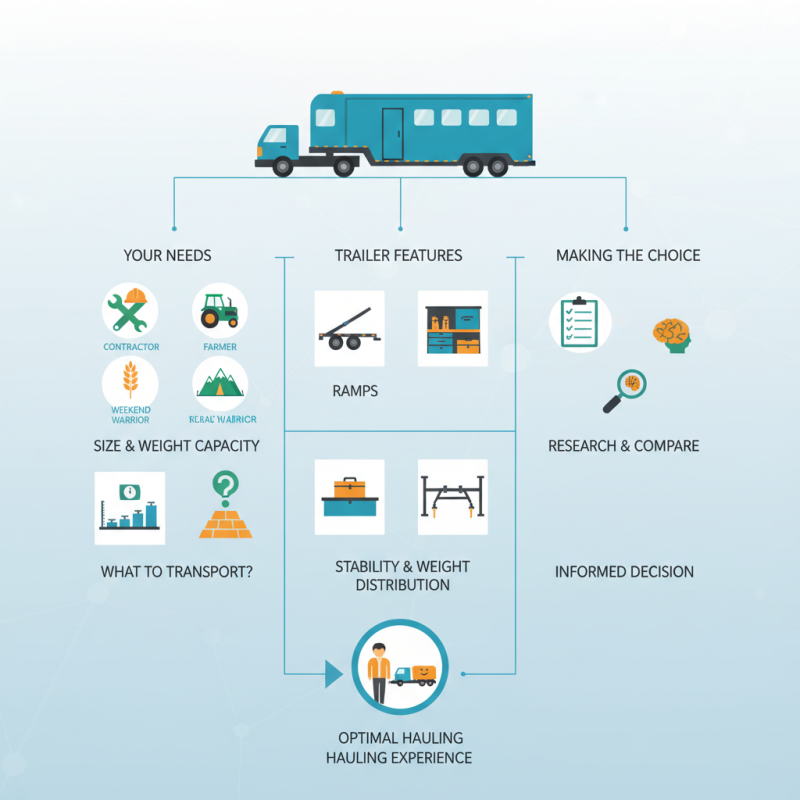
Choosing the best Gooseneck Trailer is essential for your hauling needs. This type of trailer offers unique advantages, such as improved stability and weight distribution. Whether you are a contractor, farmer, or weekend warrior, understanding your requirements is key.
Consider the size and weight capacity of the Gooseneck Trailer. It is crucial to assess what you plan to transport. Think about the features that matter. Some trailers come with ramps, while others may have additional storage options. These details can significantly influence your decision.
Remember that not all Gooseneck Trailers are created equal. Reflect on your specific needs and preferences. What works for one person may not work for another. It's worth taking the time to research and make an informed choice. A well-chosen Gooseneck Trailer can make all the difference in your hauling experience.
Understanding Gooseneck Trailers: Types and Features
Gooseneck trailers are versatile and widely used for transporting heavy loads. They come in several types, each designed for specific needs. There are flatbeds, livestock, and enclosed gooseneck trailers. Flatbeds are excellent for hauling machinery. Livestock trailers cater to transporting animals safely, while enclosed options offer protection from the elements.
When selecting a gooseneck trailer, consider the payload capacity. This determines how much weight you can carry. Assess the dimensions as well. The length and width must fit your needs. Some users struggle with making a choice, leading to a mismatch between trailer and load. Be honest about your requirements.
Tips: Always check local regulations regarding trailer usage. This ensures compliance and safety. Assess your vehicle's towing capacity. It may limit your options. Don't overlook these essential factors; they can impact your hauling experience significantly. A gooseneck trailer can be a great investment, but it must fit your unique situation.
Assessing Your Towing Needs: Weight Capacity and Vehicle Compatibility
Choosing the right gooseneck trailer starts with understanding your towing needs. Particularly, weight capacity and vehicle compatibility are critical. According to industry studies, the average towing capacity of heavy-duty trucks ranges from 12,000 to 30,000 pounds. This wide range means careful consideration is necessary.
Consider your typical cargo. Whether you haul livestock, equipment, or materials, your choice of trailer must match both the load and the truck's capabilities. A mismatched setup can lead to safety risks. Additionally, assess the specifications of your towing vehicle. Not all trucks can handle the same gooseneck trailers. The relationship between the trailer's Gross Vehicle Weight Rating (GVWR) and your truck’s capacities is crucial for safe towing.
Many enthusiasts overlook the importance of vehicle compatibility. They might purchase a gooseneck trailer without checking if their truck can handle it. This oversight can result in dangerous driving conditions. Review the manufacturer's data for both the truck and trailer. Inadequate research can lead to costly adjustments or unsafe towing experiences. Always keep in mind that each towing combination will perform differently based on variables like terrain and load distribution.
Evaluating Trailer Materials and Construction for Durability
When selecting a gooseneck trailer, materials play a crucial role. Steel and aluminum are the two most common options. Steel is strong and durable, ideal for heavy loads. However, it can rust if not properly coated. Aluminum, on the other hand, is lighter and resistant to corrosion. This makes it a good choice for lighter loads and frequent travel. Both materials have pros and cons, so consider your needs carefully.
Construction quality also impacts longevity. Look for a well-constructed frame. Welds should be strong and consistent. Inspect joints and seams; poor workmanship can lead to future issues. Check the weight capacity too. A trailer rated for more than you need adds extra durability. Think about how you’ll use it. Frequent heavy loads? Opt for stronger builds. If you’re hauling lighter items, a lighter trailer may suffice. Reflect on these aspects before deciding. Each choice has implications for performance.
How to Choose the Best Gooseneck Trailer for Your Needs? - Evaluating Trailer Materials and Construction for Durability
| Material | Durability Rating | Weight Capacity (lbs) | Maintenance Level | Cost Range ($) |
| Steel | High | 10,000 - 15,000 | Moderate | 8,000 - 15,000 |
| Aluminum | Medium | 7,000 - 12,000 | Low | 10,000 - 20,000 |
| Wood | Low | 5,000 - 8,000 | High | 3,000 - 7,000 |
| Composite | Medium | 6,000 - 10,000 | Moderate | 5,000 - 12,000 |
Choosing the Right Size: Length, Width, and Height Considerations
When selecting a gooseneck trailer, size is crucial. The right length can affect your hauling capacity. If it’s too short, you may struggle to transport larger items. Conversely, a trailer that’s too long can be cumbersome to maneuver. For most needs, a length of 20 to 30 feet is often sufficient. Assess what you plan to haul; this will guide your choice.
Width is another key factor. Most gooseneck trailers are between 6.5 and 8.5 feet wide. Choosing the right width impacts stability and capacity. You might not always need the widest option. Remember, a narrower trailer may be easier to manage in tight spaces. Height also matters. A low-profile design can help with loading taller items, but be mindful of ground clearance. This can lead to issues on uneven terrain.
Consider if you will haul heavy equipment or lighter loads. Adjusting your trailer’s size might be necessary over time. Often, owners overlook future needs when buying. Reflecting on this can prevent costly mistakes. Your ideal gooseneck trailer should balance current needs with potential expansions.
Budgeting for a Gooseneck Trailer: Costs and Financing Options
Budgeting for a gooseneck trailer involves several factors. First, you need to determine your budget. Prices can vary significantly. A basic model might cost a few thousand dollars. More specialized trailers can exceed tens of thousands. Determine what fits your financial situation.
Consider additional expenses, too. Registration and insurance can add up. Maintenance is ongoing, and repairs may arise unexpectedly. Set aside a portion of your budget for these unforeseen costs. Financing options can also help. Many dealers offer loan options. Check interest rates carefully before committing.
Remember the importance of research. Just relying on popular options may lead to regret. It's crucial to balance cost with quality. Take your time to evaluate your needs. Reflect on your choice. The right gooseneck trailer should serve you well for years. Adjust your plan if necessary. Your initial budget may need fine-tuning.