How to Choose the Right Heavy Equipment Company for Your Project Needs
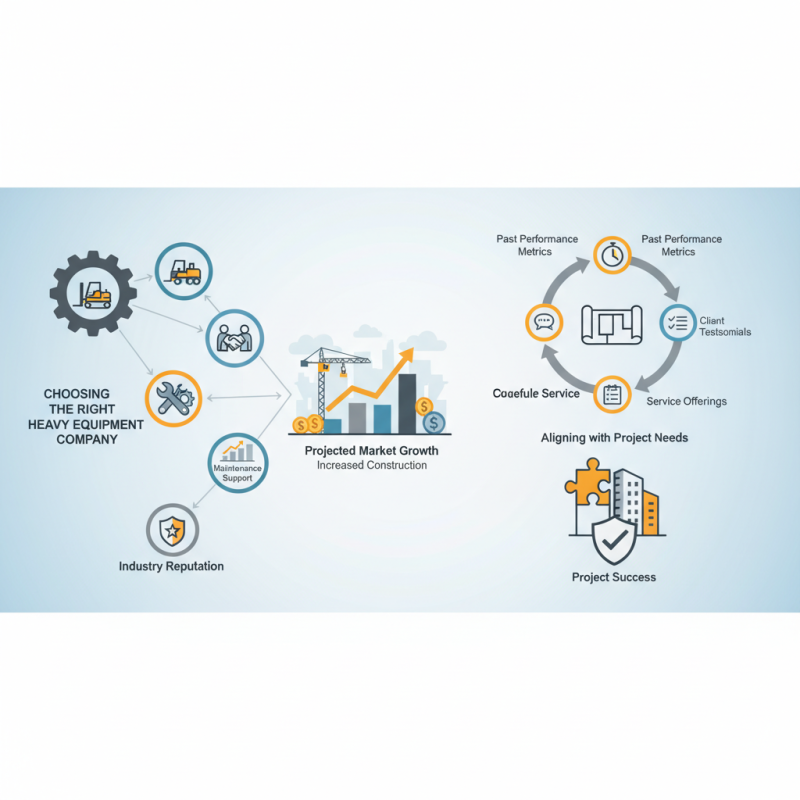
Choosing the right heavy equipment company is a crucial decision that can significantly impact the success of your construction or project management efforts. The heavy equipment industry has experienced substantial growth, with market research indicating that it is projected to reach a value of approximately $200 billion by 2026. This growth is driven by increased construction activities, infrastructural development, and technological advancements that demand reliable and efficient heavy machinery. A reputable heavy equipment company not only provides essential machinery but also offers vital support services, which are paramount for project efficiency and safety.
In selecting the appropriate heavy equipment company, project managers and contractors must consider various factors, including equipment availability, customer service, maintenance support, and the company’s reputation in the industry. According to a recent survey by the Association of Equipment Manufacturers, 85% of contractors reported that choosing the right equipment supplier directly influences project outcomes. As such, careful evaluation of potential heavy equipment companies through past performance metrics, client testimonials, and service offerings is essential for ensuring that the chosen partner aligns with specific project needs and expectations. Thus, making an informed choice is not only about selecting the right machinery but also about partnering with a company that possesses the necessary expertise and commitment to support project success.
Understanding Your Project Requirements for Heavy Equipment
When embarking on a construction or excavation project, understanding your specific equipment needs is fundamental to selecting the right heavy equipment company.
Start by clearly defining the scope of your project. Consider factors such as the type of work involved—whether it's earthmoving, lifting, or demolition—as well as the materials you will be working with.
Assess the geographical and environmental conditions of the project site, since variables like terrain, soil type, and accessibility can heavily influence the types of machinery required.
Once you have a comprehensive understanding of your project requirements, evaluate the capabilities of potential heavy equipment companies.
Look for firms that offer a diverse range of machinery suitable for your specific tasks and that can provide expert advice on equipment selection.
Additionally, inquire about their maintenance services, as having reliable support can prevent delays and ensure optimal performance throughout the project duration.
By aligning your project needs with the right company, you enhance the chances of executing your project efficiently and effectively.
Evaluating the Reputation and Experience of Equipment Companies
When selecting a heavy equipment company for your project needs, one of the most critical factors to consider is the company’s reputation and experience. An established company with a solid reputation often indicates reliability and quality service. You can start by researching online reviews and testimonials from past clients. This feedback not only highlights the strengths of the company but also reveals potential weaknesses. Look for companies that have a consistent track record of delivering high-quality equipment and satisfactory customer service.
Tips: Reach out to former clients directly if possible; their firsthand experiences can give you valuable insights. Additionally, consider the length of time the company has been in business. A company with several years of experience in the industry is likely to have overcome various challenges and will be better equipped to handle your project requirements efficiently.
Another important aspect is the specialization of the heavy equipment company. Some companies might excel in specific types of machinery or particular sectors such as construction, mining, or landscaping. Ensure that the company you choose fits your specific project needs and has a capable team to support you throughout the project. Inquire about their maintenance practices and customer support, which can greatly impact your project's success.
Tips: During your evaluation, ask about ongoing support and training for equipment operators. This can significantly increase the efficiency on-site and minimize downtimes, ensuring that your project stays on track.
Considering Equipment Availability and Fleet Diversity
When selecting a heavy equipment company for your project needs, one of the most critical factors to consider is equipment availability. A robust inventory ensures that you can access the machinery required for your tasks without delays. Companies with a wide range of machinery, from earth-moving equipment to specialized tools, can accommodate various project demands. It's essential to inquire about the availability of specific models and whether they can meet your project's timeline. Availability often correlates with a company's efficiency and reliability, making this a key consideration in your selection process.
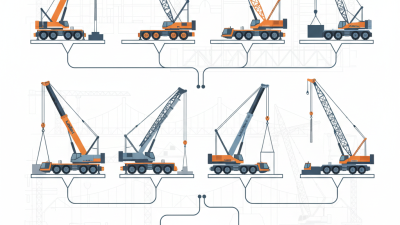
In addition to availability, fleet diversity is equally important. A diverse fleet means that the company can offer equipment suitable for different types of jobs and environments. Whether you need bulldozers, excavators, or cranes, a company with a varied selection can provide the right tools for specific tasks. Furthermore, diverse fleets often include newer models that come equipped with advanced technology, enhancing performance and safety on site. When evaluating potential companies, assess the breadth of their fleet and whether they regularly update their equipment to ensure you're working with the latest machinery. This approach can significantly impact the efficiency and success of your projects.
Assessing Pricing Structures and Financing Options
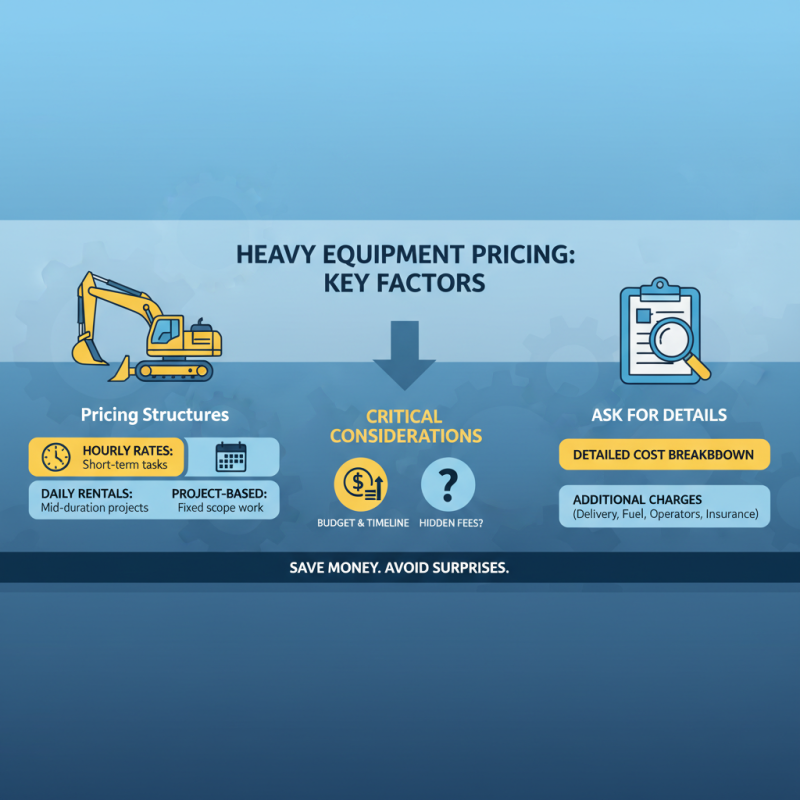
When selecting a heavy equipment company, one of the critical factors to consider is the pricing structure they offer. Different companies may adopt various pricing models, including hourly rates, daily rentals, or project-based pricing. It’s essential to evaluate these options in the context of your project timeline and budget. Some companies might have lower upfront costs but hidden fees that increase the overall expenditure over time. Therefore, it’s advisable to ask for a detailed breakdown of costs and any additional charges that may arise during the rental or purchase period.
Financing options also play a significant role in the decision-making process. Many heavy equipment companies provide flexible financing solutions tailored to meet the needs of their customers. These may include leasing options, installment payments, or even financing through third-party lenders. Understanding the terms associated with each financing option is crucial, as interest rates, repayment schedules, and potential penalties can greatly affect the overall financial health of your project. Be sure to explore all available financing avenues and consider how they align with your project's cash flow to make an informed choice that supports your operational goals.
Reviewing Customer Support and Maintenance Services Offered
When selecting a heavy equipment company for your project, evaluating their customer support and maintenance services is crucial. A company that prioritizes customer service can make a significant difference in your project’s efficiency and success. Look for a provider that offers comprehensive support before and after the equipment rental or purchase. This includes accessible communication channels, knowledgeable staff, and timely responses to inquiries. A strong customer support system ensures that any issues or questions can be addressed quickly, minimizing downtime and enhancing productivity.
Maintenance services are another essential aspect to consider. Regular maintenance and prompt repair services can extend the life of heavy equipment, making your investment more cost-effective. Choose a company that provides a clear maintenance schedule and can demonstrate their capability to respond quickly in emergencies. It's beneficial to inquire about their maintenance protocols, the expertise of their technicians, and whether they offer on-site service options. A company with robust maintenance capabilities will not only keep your machinery running smoothly but will also provide peace of mind, allowing you to focus on completing your project efficiently.