How to Choose the Best Pickup Truck for Your Needs?
Choosing the best Pickup Truck for your needs can be overwhelming. With so many options available, how do you know what suits you best? Expert Mike Smith, a well-known figure in the pickup truck industry, once said, "A good pickup truck should reflect your lifestyle." This statement holds a lot of truth.
When considering your ideal pickup truck, think about your daily activities. Do you need it for work, towing, or family trips? Each purpose requires different features. Fuel efficiency, bed size, and towing capacity are just a few factors to ponder. It’s easy to get lost in the features, but take a moment to reflect on what truly matters to you.
Exploring models can be exciting, yet overwhelming. Perhaps you're drawn to the newest model but ignore your budget. Maybe you favor power but compromise on comfort. It's important to balance these aspects for a truck that meets your true needs. A pickup truck should be more than just a vehicle; it should be part of your lifestyle.
Identify Your Primary Use Scenarios for a Pickup Truck
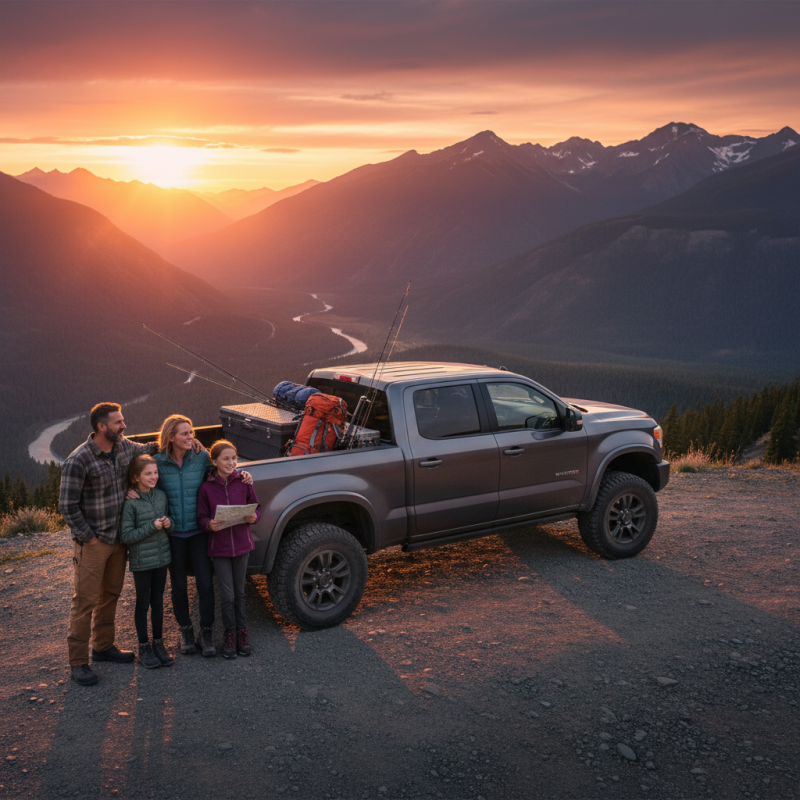
Choosing the right pickup truck starts with understanding your primary use scenarios. You might need a truck for work, recreation, or daily commuting. Identifying how you plan to use it is essential. If you frequently haul heavy equipment, look for a model with a robust towing capacity. For off-road adventures, a vehicle with all-terrain capabilities is crucial.
Think about your lifestyle too. Do you have a family? A spacious cab might be necessary. If you need to transport tools or supplies, a bed with proper length and durability is important. Some users find themselves overwhelmed by options, leading to choices that don’t perfectly align with their needs. Reflecting on your daily tasks can guide you to the right decision.
There are trade-offs. A larger truck may offer more space but can be cumbersome in tight urban areas. You may want luxury features, yet they can make maintenance costly. Understanding what you can compromise will help narrow down choices. In the end, your truck should fit seamlessly into your routine. A little reflection goes a long way in making the right choice.
Evaluate Different Pickup Truck Sizes and Configurations
When selecting a pickup truck, size and configuration play a crucial role. There are three main sizes: compact, midsize, and full-size. A compact truck is great for city driving and maneuverability. Its smaller dimensions make parking easier. However, the trade-off is reduced towing capacity, which might not suit everyone’s needs.
Midsize trucks offer a balance. They provide more towing power compared to compact models. According to industry reports, they typically tow up to 7,000 pounds. This makes them suitable for small trailers or boats. The downside? Less cargo capacity when compared to full-size trucks. Buyers often find themselves questioning their true needs.
Full-size trucks excel in cargo and towing. They can handle heavier loads and offer more passenger space. Yet, they can feel cumbersome in urban settings. Fuel efficiency can also suffer significantly. A 2022 study indicated that full-size models average 18 miles per gallon. This could lead to higher costs over time. Choosing the right truck requires careful evaluation of personal needs and lifestyle. It is essential to reflect on daily usage versus occasional heavy-duty needs.
How to Choose the Best Pickup Truck for Your Needs? - Evaluate Different Pickup Truck Sizes and Configurations
| Size | Cab Configuration | Towing Capacity (lbs) | Payload Capacity (lbs) | Fuel Efficiency (mpg) |
| Compact | Regular Cab | 3,500 | 1,500 | 24 |
| Midsize | Double Cab | 6,000 | 1,800 | 22 |
| Full-Size | Crew Cab | 10,000 | 2,200 | 18 |
| Heavy-Duty | Regular Cab | 16,000 | 3,500 | 15 |
Compare Engine Options and Performance Specifications
When selecting the best pickup truck, engine options are crucial. Diesel engines offer excellent torque and fuel efficiency, perfect for heavy towing. Gasoline engines may lack the same pulling power but can provide a smoother drive. Assess your needs carefully.
Power specifications are another key element. Look at horsepower and torque ratings. This data reveals how well the truck will perform under load. A vehicle with high torque can handle tough jobs more easily. However, those numbers don’t tell the whole story. The right balance between power and comfort is vital.
Consider the transmission type as well. Automatic transmissions are user-friendly, which is great for everyday usage. Manual transmissions can offer more control but may require more skill. Also, think about how you plan to use the truck. Off-road capability or daily driving can heavily influence your choice. It’s a personal decision that merits some serious thought.
Consider Towing Capacity and Payload Requirements
Choosing a pickup truck involves understanding your specific needs. Towing capacity is a key factor. It defines how much weight your truck can pull. If you plan to tow trailers, boats, or heavy equipment, this number matters. Trucks vary widely in towing capacity. Some can tow a few thousand pounds, while others exceed ten thousand. Evaluate what you'll regularly tow. Do you need heft or just something for occasional use?
Payload capacity is equally important. This reflects how much weight your truck can carry in the bed. You’ll want to think about tools, equipment, or anything else you’ll haul. Smaller trucks may seem convenient but often fall short here. A common mistake is underestimating this need. Always check the numbers. You might find that what seems sufficient can quickly become inadequate with the wrong load.
Remember, it’s not just about the truck itself. Think about how you’ll use it. Consider your routine and lifestyle. Will you go off-road, or mostly commute? The right choice often blends capacity with comfort. It may take time to find that perfect balance. Don’t rush the decision. Gather feedback from others. Reflect on what works for them, then adjust your considerations.
Assess Budget Constraints and Ownership Costs
When choosing the right pickup truck, it's essential to assess your budget constraints and ownership costs. Start by calculating the initial purchase price. Trucks come with a wide price range. Some options might fit your budget better than others. Aim for a balance between features and expenses. Remember, a lower price does not always mean better long-term value.
Additionally, consider the ongoing costs. Fuel efficiency plays a major role. A truck that guzzles fuel can drain your wallet quickly. Insurance rates also vary, impacting overall ownership costs. Research different insurance quotes based on the model you’re considering. Maintenance costs can also differ significantly. Some trucks require more frequent repairs or specialized parts.
Think about your usage, too. If you need it for work, you might prioritize durability. For personal use, comfort could be more important. Reflect on what features you truly need. Avoid getting sidetracked by flashy options. Investigate financing options carefully; hefty loans can lead to stress later. Ultimately, a well-considered choice can save you money in the long run.