What is Construction Equipment Machine? Types, Uses, and Benefits Explained
The construction industry has witnessed significant advancements over the years, driven largely by the evolution of construction equipment machines. These machines play a critical role in enhancing productivity, safety, and efficiency on job sites. According to a report by the Global Construction Equipment Market, the industry is expected to grow from $192.5 billion in 2020 to $247.6 billion by 2026, reflecting an annual growth rate of approximately 5.2%. This significant expansion underscores the critical nature of construction equipment machines in facilitating large-scale projects and meeting growing infrastructure demands.
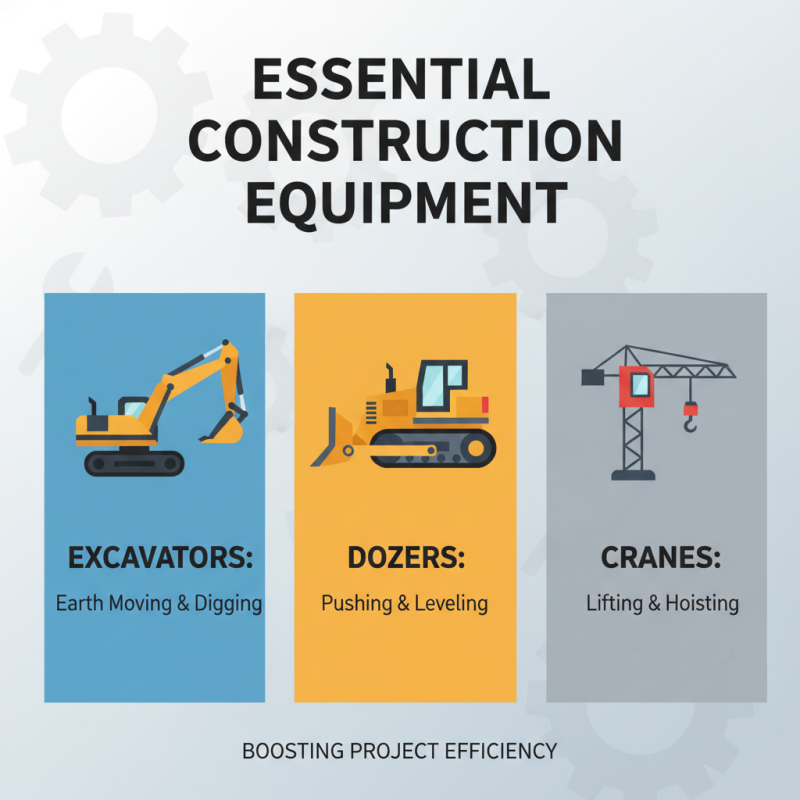
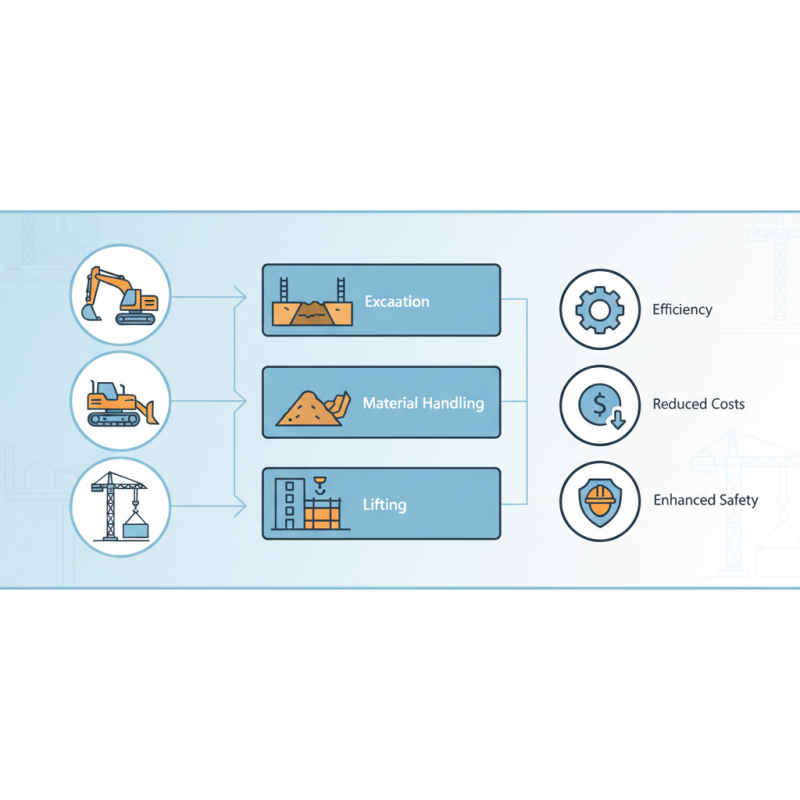
Construction equipment machines encompass a broad range of tools and machinery, each designed for specific tasks such as excavation, lifting, and material handling. Among the most common types are excavators, bulldozers, and cranes, each serving vital functions that streamline operations and reduce manual labor. A report from Research and Markets indicates that the demand for mechanized solutions has surged due to the need for faster project completion times and improved safety measures, highlighting the benefits of investing in modern equipment for construction professionals.
The advantages of utilizing construction equipment machines are manifold, including increased efficiency, reduced labor costs, and enhanced safety for workers. As the construction sector continues to evolve, understanding the various types and applications of construction equipment machines becomes essential for industry stakeholders aiming to leverage technology for optimal results. In the following sections, we will delve deeper into the different types of construction equipment machines, their uses, and the benefits they bring to the construction process.
What is Construction Equipment Machine?
Construction equipment machines are vital tools designed to aid in various tasks associated with construction projects. These machines encompass a wide range of heavy-duty equipment that enables construction workers to perform complex tasks efficiently and safely. From excavation and lifting to demolition and material handling, construction equipment plays a crucial role in enhancing productivity on job sites. The utilization of these machines reduces the time required for manual labor, minimizes human effort, and improves precision in carrying out construction activities.
There are several types of construction equipment machines, each serving a specific purpose. Common examples include excavators, bulldozers, cranes, and concrete mixers. Excavators are primarily used for digging and earthmoving, while bulldozers are essential for pushing earth or clearing debris. Cranes facilitate lifting and moving heavy materials to elevated positions, and concrete mixers are critical for blending and transporting concrete to where it is needed. The diversity of construction equipment allows teams to tackle various project requirements efficiently, ultimately leading to more streamlined construction processes and enhanced safety on site.
Key Types of Construction Equipment and Their Functions
Construction equipment machines are essential tools that greatly enhance the efficiency and effectiveness of construction projects. These machines can be categorized into several key types, each designed for specific functions within the construction process. Understanding the various types of equipment available can help project managers select the right tools for their specific needs.
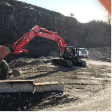
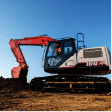
Excavators are one of the most versatile and frequently used types of construction equipment. They are primarily utilized for digging trenches, holes, and foundations, and they can also be equipped with a variety of attachments to perform other tasks, such as demolition or lifting heavy materials. Another important type of machinery is the bulldozer, which is used for moving large quantities of earth and debris, grading land, and clearing sites. The large blade at the front allows it to efficiently push materials, making it a critical piece of equipment for site preparation.
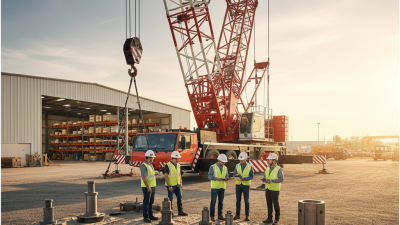
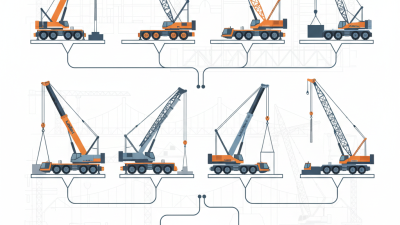
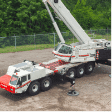
Other essential construction machines include cranes, which are necessary for lifting and positioning heavy loads, and concrete mixers, which are used to prepare concrete on-site for various structural applications. Additionally, compaction equipment, such as plate compactors and rollers, ensures that the ground is properly prepared and stable for construction. Each type of construction equipment plays a vital role in different stages of a project, ultimately contributing to the successful completion of construction tasks.
Common Uses of Construction Equipment in Various Industries
Construction equipment machines play a crucial role across various industries, providing the necessary tools for efficient project execution. In the building and construction sector, excavators, bulldozers, and cranes are essential for site preparation, material handling, and structural assembly. These machines facilitate the safe and timely completion of projects, from residential buildings to large-scale infrastructure developments. Their ability to move heavy materials and perform complex maneuvers greatly enhances productivity, reducing the time and labor required for construction tasks.
In the landscaping and agriculture industries, specialized equipment such as skid-steer loaders and tractors is widely utilized. These machines help in tasks ranging from soil tilling and grading to planting and harvesting. By automating labor-intensive processes, construction equipment improves efficiency and allows for more precise work. Additionally, the mining sector relies on heavy-duty machines like haul trucks and drills to extract resources safely and effectively, showcasing the versatility of construction equipment in supporting diverse operational needs across different sectors.
Common Uses of Construction Equipment in Various Industries
Benefits of Using Construction Equipment in Construction Projects
The use of construction equipment in construction projects offers a multitude of benefits that significantly enhance the efficiency and effectiveness of building activities. One of the primary advantages is the acceleration of project timelines. Heavy machinery, such as excavators and bulldozers, enables quick and precise excavation, grading, and material handling, which speeds up various stages of construction. This efficiency minimizes delays, allowing for faster project completions and reducing overall labor costs.
Moreover, construction equipment enhances safety on job sites. By employing machines, workers can operate from a distance, reducing the risk of accidents associated with manual labor. Equipment like cranes and lifts allow for the safe movement of heavy materials, which otherwise would pose a danger if handled manually. Additionally, the reliability of construction machines decreases the likelihood of injuries resulting from repetitive strain, contributing to a safer work environment.
Finally, the use of construction equipment leads to improved accuracy and quality in construction work. Advanced technologies integrated into modern machinery provide precise control and measurements, resulting in high-quality finishing. This level of accuracy ensures that structures meet required specifications and standards, ultimately enhancing the longevity and durability of completed projects. Overall, the incorporation of construction equipment not only promotes efficiency and safety but also ensures superior quality in construction outcomes.
Future Trends in Construction Equipment Technology and Innovation
The construction industry is transitioning towards a more technologically advanced future, where innovation plays a crucial role in enhancing efficiency and safety. Future trends in construction equipment technology include the integration of automation and robotics, which can significantly reduce human error and streamline processes. Autonomous vehicles and drones are becoming more common on job sites, enabling better monitoring, material transport, and even surveying.
Another notable trend is the adoption of smart technologies, such as the Internet of Things (IoT), which allows construction equipment to communicate with each other and provide real-time data analytics. This connectivity leads to more informed decision-making and predictive maintenance, reducing downtime and maintenance costs. The use of augmented reality (AR) and virtual reality (VR) is also on the rise, allowing for more effective training and project visualization.
**Tips:** To stay ahead in this evolving field, construction companies should invest in training their workforce to adapt to new technologies. Embracing a culture of innovation encourages employees to engage with emerging tools and methods, fostering a more adaptable and skilled workforce. Additionally, maintaining open communication with technology providers can help companies understand the latest advancements and how to incorporate them effectively into their operations.
What is Construction Equipment Machine? Types, Uses, and Benefits Explained
| Type of Equipment |
Uses |
Benefits |
Future Trends |
| Excavators |
Digging and moving earth |
High efficiency in soil removal |
Integration with IoT for precise operations |
| Bulldozers |
Moving large quantities of soil |
Strong power and stability |
Enhanced automation and remote control capabilities |
| Cranes |
Lifting and moving heavy materials |
Capability to reach high places |
Smart technologies for better load management |
| Concrete Mixers |
Mixing concrete on-site |
Consistent quality of concrete |
Improved mixing technology for efficiency |
| Forklifts |
Handling materials and transport |
Increased warehouse productivity |
Autonomous forklifts and safety innovations |