How to Effectively Repair Forestry Equipment for Optimal Performance?
Effective forestry equipment repair is critical for maintaining optimal performance on the job. When equipment breaks down, it can lead to costly delays. Understanding repair processes helps you tackle issues head-on, minimizing downtime.
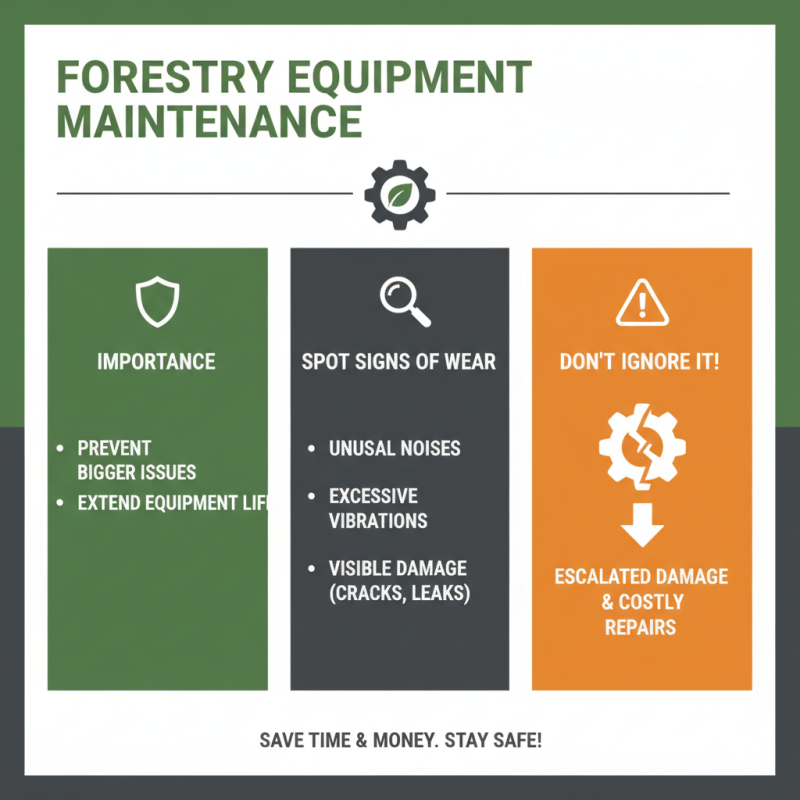
Regular inspections are vital for identifying wear and tear on machinery. It’s easy to overlook small problems until they become major issues. By focusing on regular maintenance, you can extend equipment life. However, some repairs may require professional help to ensure safety and reliability.
Investing time in learning about forestry equipment repair improves operational efficiency. Sharing knowledge among team members can foster a culture of proactive maintenance. Remember, even the best plans may not always work perfectly. Adapting to new challenges is essential for success in this field.
Understanding Common Types of Forestry Equipment and Their Functions
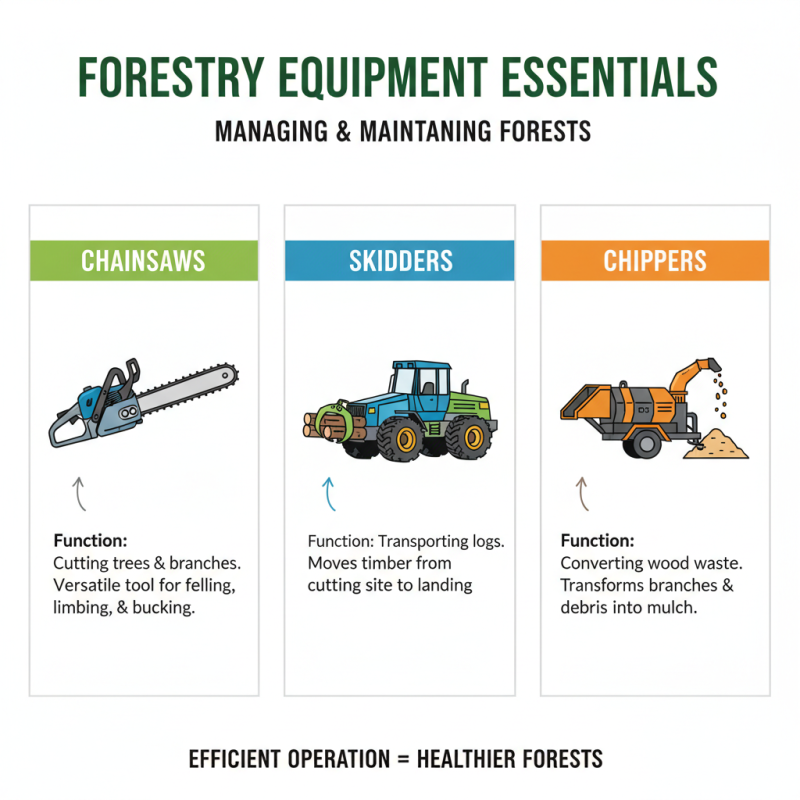
Forestry equipment plays a critical role in managing and maintaining forests. Common types include chainsaws, skidders, and chippers. Each piece serves a unique function. Chainsaws are versatile tools for cutting trees and branches. Skidders are used to transport logs from the cutting site. Chippers convert wood waste into mulch. Understanding these functions is vital for effective operation.
When using chainsaws, always check the chain tension. A loose chain can be dangerous and inefficient. For skidders, inspect the hydraulic systems regularly. Leaks can lead to significant performance issues. Chippers need consistent maintenance to ensure smooth operation. Tips for upkeep include cleaning blades after use and lubricating moving parts regularly.
Proper training is essential. Familiarize yourself with each machine’s manual to understand its quirks. Many operators neglect this step. It's easy to assume you know how to use equipment without fully understanding it. Regularly assess your skills and seek help if needed. Equipment performance depends heavily on operator knowledge and care.
Essential Tools and Techniques for Effective Equipment Repair
Effective equipment repair is essential in forestry. Knowing the right tools can make a significant difference. Start with basic hand tools like wrenches and screwdrivers. These help tighten or loosen parts easily. A good-quality multimeter is vital for diagnosing electrical issues. It’s important to keep tools organized for quick access during repairs.
Techniques matter just as much. Identifying the root cause of a problem can be tricky. Sometimes, the issue is not where it seems. For example, a symptom may relate to another part altogether. Take time to methodically inspect each component. Documenting your findings helps track recurrent problems. Having a repair manual nearby can be invaluable too.
Don't rush repairs. Quality matters more than speed. Sometimes a quick fix leads to more trouble later. Reflect on your past repairs. Consider what worked and what didn't. Learning from mistakes is essential in mastering equipment repair. Your experience enhances your skills over time.
Preventive Maintenance Practices to Enhance Equipment Longevity
Preventive maintenance is crucial for forestry equipment. Regular inspections can help spot issues before they escalate. Check hydraulic fluid levels frequently. A low fluid level can lead to serious malfunctions. Replace air filters every few months. Dirty filters can cause engine inefficiency.
Proper cleaning of machinery is vital, yet often overlooked. Remove debris and dirt after every logging session. This simple step prevents premature wear. Also, lubricate moving parts to reduce friction. Lack of lubrication can lead to breakdowns at inconvenient times.
Set a schedule for routine checks. Consistent maintenance can extend the lifespan of your equipment. Documents of past services help in tracking performance trends. A lack of records may lead to missing critical updates. Sometimes, you may forget to perform maintenance tasks. It’s essential to create reminders. Overscheduling can also lead to neglecting delicate machinery needs. Balance is key.
Impact of Regular Repairs on Forestry Operations and Productivity Metrics
Regular maintenance of forestry equipment significantly impacts overall productivity. Reports indicate that equipment failures can cause a loss of up to 30% in operational efficiency. Such disruptions lead to increased downtime. Imagine a scenario where a critical machine breaks down in the middle of a logging operation. The unexpected halt could set back a project by days. It’s essential to recognize that timely repairs can prevent these costly interruptions.
Data from industry studies show that organizations prioritizing regular maintenance report a 25% increase in productivity metrics. Well-maintained equipment operates more efficiently and uses fuel more effectively. However, many teams still neglect routine inspections. This oversight can lead to unforeseen failures and increased repair costs. Each breakdown could lead to lost labor hours and a scramble for fixes that might not be readily available.
Moreover, research reveals that proper repairs extend the lifespan of machines. A single repair can save thousands in replacement costs. Forestry operations should not overlook the long-term benefits of consistent maintenance. Neglecting this duty may initially seem cost-effective, but over time, it becomes a significant detriment. The balance between immediate savings and future expenses is delicate. Operational efficiency requires a commitment to regular oversight and repairs.