Choosing the right construction equipment and machinery is crucial for any project. It's not just about the price. Quality and suitability matter too. The right tools can make tasks easier and improve efficiency. But with so many options, the selection process can feel overwhelming.
You might consider brand reputation or read reviews, but this doesn't guarantee you'll find the ideal machinery. Often, people focus on what looks good rather than what works best for their specific needs. Each job site is unique, requiring different solutions. Sometimes, it pays to think outside the box and explore lesser-known brands.
Balancing performance, reliability, and cost is challenging. You could end up with equipment that’s too complex or not robust enough for your tasks. Take the time to assess your requirements. Consult with experts or those who have more experience in construction. Asking the right questions can lead to better-informed decisions. Remember, the wrong machinery can hurt your project budget and deadlines. Aim for the best fit for your construction equipment and machinery needs.
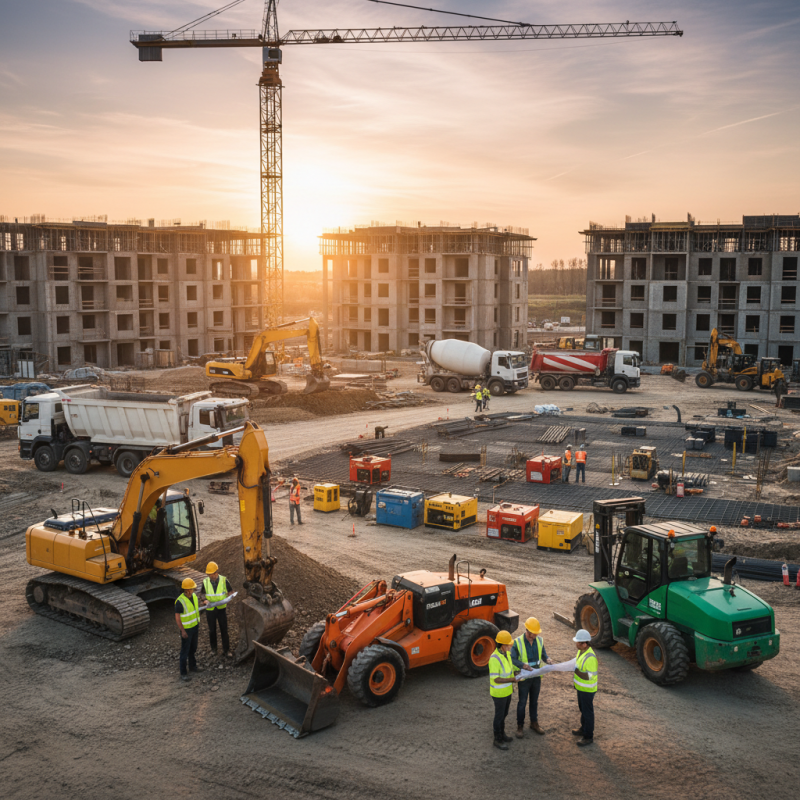
When selecting construction equipment, understanding project needs is crucial. Each project type, whether residential or commercial, has specific requirements. For instance, a report from the Construction Industry Institute indicates that equipment misuse contributes to 27% of project delays. This highlights the importance of aligning equipment choices with actual demands.
Assessing the scale and timeline of your project is essential. A large-scale development may require heavy machinery, while smaller projects can benefit from compact tools. The type of terrain also influences choices. Surveys show that about 40% of equipment inefficiencies stem from inadequate terrain assessment. It's vital to consider whether the equipment can maneuver effectively across various surfaces without ongoing issues.
Cost management remains a key factor. Sometimes, investing in specialized equipment can seem expensive upfront. However, choosing the right tools can reduce maintenance costs and downtime. The National Heavy Equipment Operators Association indicates that proper equipment choice can enhance productivity by up to 30%. Despite this, many industry players often overlook their specific needs, leading to poor choices that could impact the entire project. Reflecting on what works best for your situation can yield better outcomes.
| Tip No. | Tip Description | Recommended Equipment | Project Type |
|---|---|---|---|
| 1 | Assess the project scope and scale | Excavators | Large-scale constructions |
| 2 | Consider terrain and location | All-terrain forklifts | Uneven terrains |
| 3 | Evaluate equipment maintenance needs | Backhoe loaders | Residential projects |
| 4 | Analyze fuel efficiency | Skid steer loaders | Small construction sites |
| 5 | Check load capacities | Cranes | Heavy lifting operations |
| 6 | Consider rental vs. purchase | Dump trucks | Short-term projects |
| 7 | Evaluate safety features | Telehandlers | High-risk zones |
| 8 | Check operator training requirements | Lift trucks | Warehouse or construction |
| 9 | Assess environmental impact | Electric excavators | Eco-friendly projects |
| 10 | Stay updated with technology trends | Smart construction tools | Modern building projects |
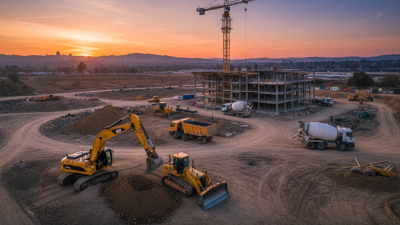
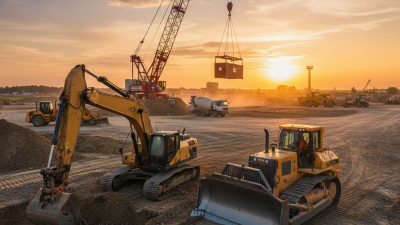
When selecting construction equipment, understanding different types is crucial. Each type serves a specific purpose. It’s important to evaluate machinery based on the project needs. Excavators dig foundations, while bulldozers push soil. Cranes lift heavy materials. This diversity can be overwhelming.
Consider the scale of your project. Smaller jobs might only require basic tools like jackhammers and compactors. For larger sites, more complex machinery is essential. However, it’s easy to underestimate costs. Renting equipment could save money, but it demands strict timing. Late returns lead to fines, stressing budgets.
Durability is another factor. Some equipment might seem appealing but could falter under tough conditions. Research local terrain and weather. You could choose the wrong machinery, leading to project delays. Always seek feedback from experienced operators. Their insights can highlight potential pitfalls. The right equipment will significantly impact your project's success.
Budget constraints are a critical factor when selecting construction equipment and machinery. According to a report by the Equipment Leasing and Finance Foundation, nearly 70% of contractors cite budget as the primary concern in project planning. It’s essential to define a clear budget before diving into equipment options. This includes not just purchase prices but also maintenance, fuel, and operational costs.
Many contractors overlook hidden costs. A study by the National Equipment Register found that equipment downtime can lead to a loss of up to $200,000 per year for an average firm. Investing in high-quality machinery might seem more expensive upfront, but it could save money in the long run. Conducting a thorough cost-benefit analysis can help in making informed decisions.
If budget allows, consider renting equipment rather than buying. Rental options often offer flexibility and lower immediate costs, crucial for smaller projects. The same Equipment Leasing and Finance Foundation report highlighted that 35% of contractors prefer rentals to manage cash flow effectively. However, this approach can lead to overreliance on third-party providers, impacting control over project timelines. Evaluating these options carefully can help align financial strategies with project goals.
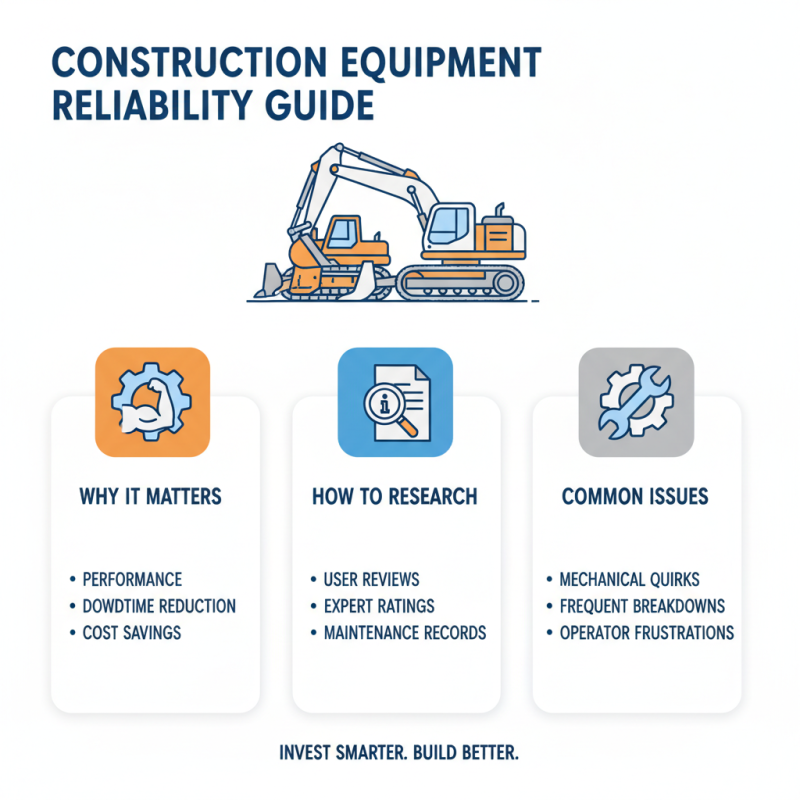
When selecting construction equipment, researching reliability is crucial. It helps ensure you’re investing in tools that will perform well. One way to check reliability is to look into user reviews. They provide real-world experiences with machines. Many machines have their quirks, sometimes causing frustration. It's worth diving deep into these reviews to uncover common issues.
Maintenance history also plays a vital role. A well-maintained machine can serve you better and longer. Check service logs and records for any past repairs. Machines with frequent breakdowns may indicate deeper issues. Inspecting maintenance can save you future headaches. Not all equipment is created equal; some might need more care than others.
Always ask previous owners about their experiences. Sometimes, they can share valuable insights. You might find out that a particular model has a weak spot. Don’t hesitate to gather as much information as possible. This step could save you from expensive repairs down the road. Avoiding pitfalls in equipment choice requires diligence and patience.
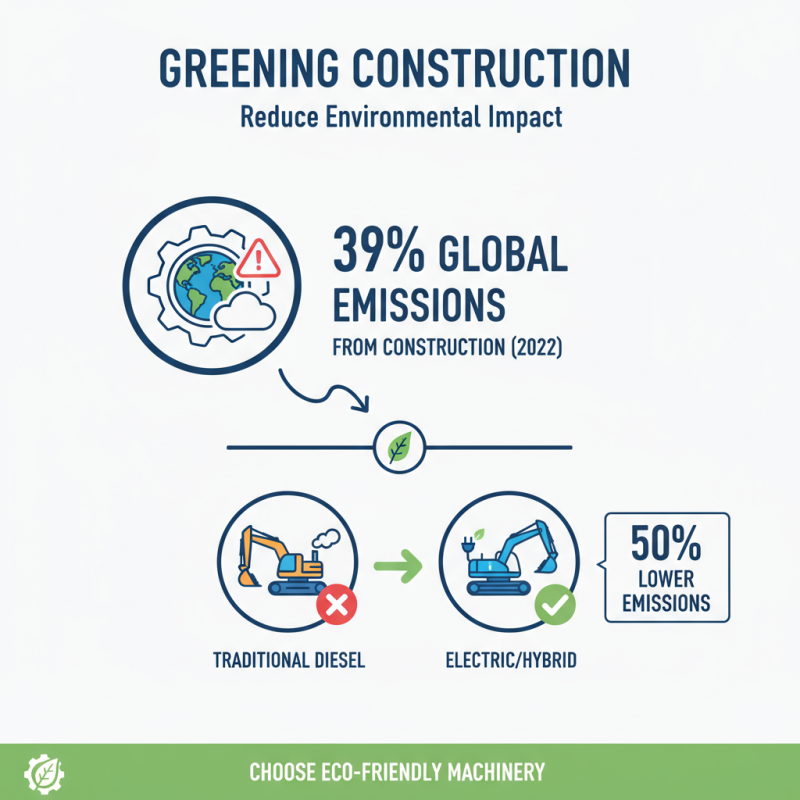
When selecting construction equipment, considering the environmental impact is crucial. In 2022, reports indicated that construction activities contribute to about 39% of global carbon emissions. Choosing eco-friendly machinery can significantly reduce this footprint. Opt for electric or hybrid excavators; their emissions are 50% lower than conventional models.
Tip: Assess the lifecycle of the equipment. Look for options that minimize energy consumption. This practice can lead to long-term cost savings. Not all machinery is built with sustainability in mind. Some might appear cost-effective upfront, but fuel inefficiency can erode savings over time.
It is vital to evaluate the materials used in equipment manufacturing. Sustainable sources can lead to a smaller overall environmental impact. Moreover, consider the disposal and recycling options for outdated machinery. The waste management aspect is often overlooked. In the United States, about 7.6 million tons of construction and demolition debris ends up in landfills annually.
Tip: Always check for certifications related to environmental standards. This ensures that machinery will meet required sustainability benchmarks. However, it can be challenging to keep up with evolving regulations. Be prepared to dedicate time to research equipment sustainability. The construction industry faces a responsibility to integrate greener practices.