How to Find the Best Deals on Forestry Equipment Sales?

Finding the best deals on forestry equipment sales can be challenging. With many options available, it's easy to feel overwhelmed.

Understanding the market helps greatly. Prices vary depending on the brand, quality, and equipment type. Having a clear idea of your needs and budget is essential.

Research is crucial when navigating forestry equipment sales. Online reviews and comparisons offer valuable insights. Engage with industry forums to gather experiences from other buyers. Sometimes, the best deals are those that seem imperfect at first glance. Take time to reflect on your choices before making a purchase.
How to Find the Best Deals on Forestry Equipment Sales?

Understanding the Types of Forestry Equipment Available for Sale

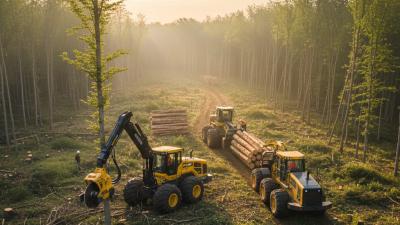
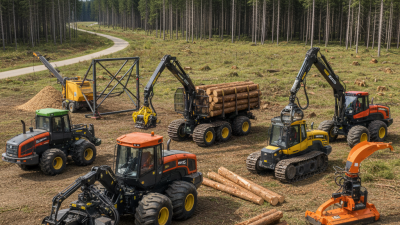
When exploring forestry equipment, it's essential to know what types are available. Each type serves different purposes and applications. Common equipment includes chainsaws, chippers, and skidders. Chainsaws are vital for tree cutting and trimming. They range in size, power, and capability. Choosing the right one can be daunting, especially for beginners.

Chippers break down branches and wood debris. They vary in grinding power, size, and mobility. It's important to assess your needs. Larger jobs may require heavier equipment, while smaller projects might benefit from portable options. Skidders are used to move logs from the forest to a processing area. Their design often reflects the terrain they're used in.

When purchasing, consider the equipment's maintenance requirements. Some machines demand regular upkeep. Others may need replacement parts more frequently. Understanding these factors will aid in making an informed choice. An investment in forestry equipment should reflect both current and future needs. Seek advice from experts to navigate potential pitfalls.

Researching Local and Online Forestry Equipment Retailers

When researching local and online forestry equipment retailers, start by defining your specific needs. What type of equipment do you require? Chainsaws, chippers, or perhaps tree sprayers? Each tool serves a distinct purpose. Identify the brands that best match your needs and dig deeper into their specifications.

Explore local retailers by visiting their stores. This allows you to speak directly with knowledgeable staff. Ask questions and seek their expertise. Online reviews can provide valuable feedback, but firsthand experience often yields better insights. Engaging with local professionals also opens opportunities for networking and future partnerships.

Don't overlook online retailers. They typically offer a broader selection and often more competitive pricing. Take the time to compare prices on multiple platforms. However, be cautious of unexpected shipping fees. Reflect on the warranty and customer service offerings before making a purchase. Sometimes, the cheapest option may not provide the best long-term value. Conduct thorough research to ensure you're making an informed choice.

How to Find the Best Deals on Forestry Equipment Sales?

Equipment Type Average Price ($) Seasonal Discounts (%) Online Availability Local Retailer Comparison
Chainsaws 350 15 Yes Higher prices in local stores
Woodchippers 1200 10 Yes Competitive pricing locally
Log Splitters 600 20 Yes Often higher than online
Stump Grinders 3000 5 Limited Higher range locally
Forestry Trailers 1500 12 Yes Better deals online

Evaluating Equipment Quality and Condition Before Purchase

When considering forestry equipment, evaluating quality and condition is crucial before making a purchase. The right equipment can significantly impact productivity and safety in forestry operations. According to industry reports, up to 30% of equipment in use is underperforming due to maintenance neglect. Understanding the equipment's history can prevent costly mistakes.

Inspecting machines for wear and tear, such as rust or oil leaks, is essential. Look for signs of previous repairs. Verifying the maintenance history can provide insight into how well the equipment has been cared for. A well-maintained machine often indicates a longer usable life. You might find expert evaluations are worth the investment.

Tip: Always request a demo if possible. Testing the equipment in real-world conditions helps reveal its true performance. Additionally, consider consulting experienced operators for their insights on what to look for. Don't hesitate to ask detailed questions about its operational history. Taking these steps can help you avoid making hasty decisions that lead to dissatisfaction later.

Comparing Prices and Identifying Discounts or Promotions

When searching for the best deals on forestry equipment, comparing prices is crucial. Check multiple retailers to get an idea of the base prices. Some stores offer lower prices but may lack quality. Others maintain high standards at a premium. A balance between price and quality is essential.

Identifying discounts or promotions can save you money. Look for seasonal sales, holiday discounts, or clearance events. Email newsletters often reveal exclusive deals. Social media platforms can also highlight limited-time offers. Tracking these means you won't overlook potential savings.

Visit online forums and communities focused on forestry equipment. Users frequently share tips on finding the best deals. Their experiences can highlight pitfalls to avoid. Remember that not every deal is worth it. Weigh the financial benefits against the quality you require. Take the time to reflect on your needs before making a purchase.

Comparison of Forestry Equipment Prices and Discounts

Negotiating Purchase Terms and Warranty Options for Equipment

Negotiating purchase terms and warranty options is crucial when acquiring forestry equipment. Buyers must understand that effective negotiation can lead to better pricing and coverage. According to a recent industry report, 70% of large-scale forestry operations consider warranty terms as a decisive factor during equipment purchases.

It is essential to scrutinize warranty options thoroughly. A typical warranty covers parts and labor for a specific period, usually between six months to two years. However, you should seek extended warranty agreements, as they often include critical components like hydraulics and engines. Research shows that equipment downtime can cost businesses an average of $800 per day, emphasizing the need for reliability in equipment performance.

Buyers should not shy away from negotiating terms and conditions. A survey indicates that 55% of buyers who negotiate warranty options save 10% or more on their total purchase costs. This statistic illustrates the importance of being proactive. You might encounter resistance, but remaining steadfast and informed can lead to better agreements. Always approach negotiations with research and clarity regarding your needs.