Forestry equipment repair is the skilled process of inspecting, maintaining, and restoring machines used in demanding forest environments. These machines include harvesters, forwarders, skidders, chippers, and chainsaws. Their work is rarely gentle. Mud enters hydraulic fittings, branches damage guards, and long shifts place constant pressure on engines and tracks. Repair work protects machine performance, operator safety, and production continuity.
The scale of forestry makes reliable equipment essential. The FAO Global Forest Resources Assessment 2020 reports that forests cover about 4.06 billion hectares worldwide. Such a vast resource depends on machinery that can operate safely across steep ground, wet soil, and remote locations. The International Labour Organization identifies forestry as a high-risk industry, partly because workers operate powerful machines in isolated conditions. The U.S. Bureau of Labor Statistics also continues to rank logging among the most dangerous occupations. Small defects matter.
A worn hydraulic hose can become a sudden failure. A damaged brake may create a serious hazard. Effective forestry equipment repair combines technical training, manufacturer specifications, diagnostic tools, and practical field experience. Technicians check fluid contamination, hydraulic pressure, electrical faults, structural cracks, and unusual vibration. They also document repairs and schedule preventive maintenance. This improves reliability, although no maintenance plan is perfect. A sensor can pass inspection today and fail tomorrow. That uncertainty requires careful judgment, not guesswork. For forest owners and contractors, timely repair can reduce downtime, extend asset life, and support safer operations. The real value is measured in dependable work, fewer surprises, and people returning home safely.
What Is Forestry Equipment Repair and Why Is It Important?
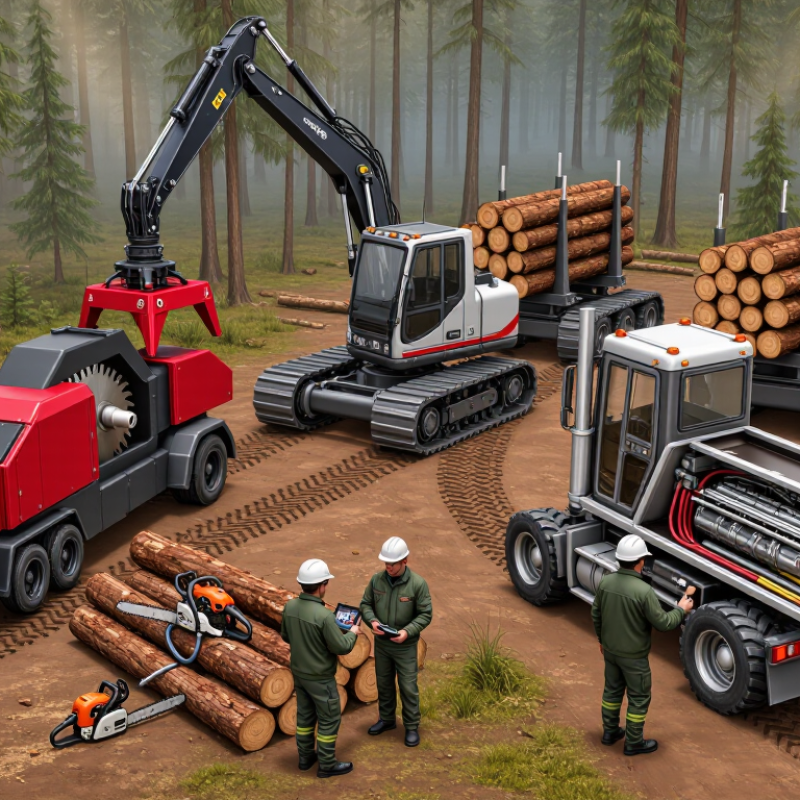
Forestry equipment repair is the inspection, diagnosis, adjustment, and restoration of machines used in forest operations. Its scope includes harvesters, forwarders, skidders, loaders, chippers, and supporting attachments. Repair work may address hydraulic leaks, damaged cutting systems, worn tracks, electrical faults, engine problems, and structural cracks.
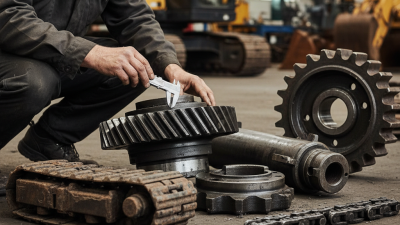
A repair begins with evidence, not guesswork. Technicians review machine hours, operating conditions, warning signals, and recent performance changes. They may check hydraulic pressure, fluid contamination, hose damage, belt tension, and fastener torque. A saw chain that cuts unevenly can indicate poor sharpening, alignment trouble, or a deeper mechanical fault. The visible problem is not always the real cause.
Forestry equipment repair also includes preventive servicing and post-repair testing. Cleaning radiators, replacing filters, lubricating joints, and examining guards can reduce unexpected downtime. After a repair, the machine should run under controlled conditions before returning to demanding terrain. Records should describe the fault, parts replaced, measurements taken, and follow-up needs. This supports reliable decisions and safer maintenance planning.
The boundary between maintenance and repair is not always clear. A worn hose may need replacement today, yet its failure could reflect poor routing or excessive vibration. No inspection process is perfect. Dust, mud, cold weather, and rushed work can hide important clues. Careful technicians remain willing to question their first diagnosis.
What Is Forestry Equipment Repair and Why Is It Important?
Common Types of Forestry Machinery That Require Repair
Forestry equipment repair keeps machines safe, productive, and ready for difficult ground conditions. In active forests, dust, mud, vibration, and falling debris quickly expose weak components. A small hydraulic leak can become a serious failure during a long shift.
Harvesters often need repairs to hydraulic pumps, cutting heads, feed rollers, and control sensors. Their saw chains and guide bars also require frequent inspection. Feller bunchers face similar wear, especially around cutting heads, boom joints, and hydraulic cylinders. Technicians should check unusual vibration before replacing expensive parts. That sound may indicate loose hardware, worn bearings, or incorrect alignment.
Skidders commonly require attention to winches, cables, brakes, tires, and drivetrain parts. Forwarders may develop damage in cranes, grapples, axles, and load-area frames. Wood chippers experience intense stress around knives, belts, bearings, and discharge systems. A single dull knife can increase fuel use and produce uneven chips. Mulchers and loaders also suffer from worn teeth, hoses, seals, and attachment mounts.
Experienced technicians usually begin with a visual inspection and maintenance records. They then test pressure, movement, temperature, and safety controls. Manufacturer service data helps, but field conditions still matter. A repair that works in a clean workshop may fail in wet timber. I have seen rushed inspections miss cracked brackets hidden beneath packed soil. That mistake is easy to repeat. Careful cleaning, documented measurements, and a second inspection often reveal problems before they stop production.
| Forestry Machinery | Primary Function | Common Repair Areas | Typical Warning Signs | Routine Inspection or Service Interval | Potential Operational Impact | Priority Level | Recommended Repair Response |
|---|---|---|---|---|---|---|---|
| Chainsaw | Felling, delimbing, bucking, and cutting timber | Chain, guide bar, clutch, chain brake, fuel system, air filter, spark plug, and starter assembly | Slow cutting, excessive vibration, uneven cuts, chain oil leakage, difficult starting, or chain movement at idle | Inspect before every use; sharpen the chain as required; clean the air filter regularly; replace worn components when necessary | Reduced cutting productivity and increased operator safety risk | High | Stop operation for chain-brake, throttle, fuel-leak, or uncontrolled-chain issues; complete repairs before use |
| Feller Buncher | Felling trees and gathering stems into bunches | Cutting head, saw motor, hydraulic cylinders, hoses, pumps, track system, boom pins, and electronic controls | Slow cutting-head rotation, hydraulic leaks, poor tree control, overheating, unusual vibration, or weak boom movement | Daily visual inspection; lubrication according to the service schedule; hydraulic and structural checks at regular maintenance intervals | Production stoppage, damaged trees, hydraulic contamination, and possible structural damage | High | Isolate hydraulic pressure before repair and inspect the cutting head, hoses, and structural joints promptly |
| Skidder | Dragging felled logs from the harvesting area to a landing | Winch, grapple, transmission, axles, differential, tires or tracks, steering system, brakes, and hydraulic lines | Winch slippage, weak pulling force, brake noise, steering difficulty, transmission hesitation, or tire and track damage | Daily checks of fluids, brakes, tires or tracks, winch cable, and grapple; scheduled drivetrain servicing | Lower hauling capacity, increased ground disturbance, and elevated rollover or collision risk | High | Repair brake, steering, winch, and drivetrain faults before returning the machine to heavy pulling work |
| Forwarder | Loading and transporting logs without dragging them on the ground | Load bunk, crane, grapple, hydraulic pump, articulation joint, axles, suspension, tires, and control system | Unstable loads, slow crane response, hydraulic temperature rise, uneven suspension, or abnormal articulation movement | Inspect crane, grapple, tires, fluid levels, and load restraints daily; lubricate pivot points and service hydraulics as scheduled | Reduced payload efficiency, handling delays, and increased risk of load loss or component failure | Medium to High | Address crane, grapple, brake, and load-retention defects before transporting timber on uneven terrain |
| Harvester | Felling, delimbing, measuring, and cutting trees in one operation | Harvester head, feed rollers, delimbing knives, measuring sensors, hydraulic circuits, boom, and onboard software | Incorrect log measurements, slipping feed rollers, poor delimbing, unstable boom movement, or repeated control errors | Clean and inspect the head daily; check knives and rollers frequently; calibrate measuring equipment according to operating requirements | Product-quality errors, material waste, downtime, and inaccurate production records | High | Repair mechanical wear and recalibrate measurement systems before processing valuable timber |
| Grapple Loader | Loading, sorting, and stacking logs at landings or processing sites | Grapple tines, rotator, boom cylinders, hydraulic hoses, slew bearing, chassis, and stabilizers | Grapple drift, uneven rotation, reduced lifting capacity, hydraulic leakage, boom movement, or excessive bearing play | Inspect grapple, pins, hoses, and stabilizers daily; lubricate joints and check structural components routinely | Handling delays, falling-load hazards, reduced loading accuracy, and possible structural damage | High | Remove the machine from service for cracked structural parts, major hydraulic leaks, or unsafe grapple operation |
| Wood Chipper | Reducing branches, residues, and small-diameter timber into wood chips | Knives, anvil, feed rollers, belts, bearings, flywheel or drum, discharge chute, and engine system | Uneven chip size, feed blockage, excessive vibration, reduced throughput, unusual bearing noise, or knife damage | Inspect knives and the anvil before operation; clear debris safely; check belts, bearings, and fasteners regularly | Serious injury risk, equipment damage, poor chip quality, and frequent blockages | High | Shut down and isolate all power sources before clearing jams or replacing knives and other cutting components |
| Forestry Mulcher | Clearing vegetation and processing brush, small trees, and residues | Mulching teeth, rotor, drive belt, hydraulic motor, protective guards, bearings, and attachment frame | Reduced cutting performance, missing teeth, excessive vibration, belt slip, hydraulic overheating, or damaged guards | Inspect teeth, guards, rotor, and attachment points before each shift; replace damaged teeth and check fasteners regularly | Low clearing productivity, flying-debris hazards, and accelerated wear of the drive system | High | Replace missing or damaged cutting tools and guards before operating near people, buildings, or vehicles |
| Log Trailer | Transporting harvested logs by road or between work areas | Brakes, tires, suspension, axles, lights, frame, stakes, bolsters, and load-securement equipment | Uneven tire wear, brake pull, loose stakes, cracked frame components, lighting failure, or load movement | Pre-trip inspection before every journey; check tire pressure, brakes, lights, and securing equipment routinely | Roadside breakdowns, load loss, traffic incidents, and regulatory non-compliance | High | Do not dispatch the trailer until brake, tire, frame, lighting, and load-securement defects are corrected |
| Service Truck | Providing field maintenance, fueling, lubrication, and repair support | Compressor, hydraulic service tools, fuel system, crane, batteries, tool storage, and electrical equipment | Low hydraulic pressure, generator failure, fuel leakage, battery discharge, damaged lifting equipment, or missing safety tools | Inspect equipment before deployment; check hoses, lifting accessories, fluids, batteries, and emergency supplies regularly | Longer machine downtime and delayed repairs in remote harvesting locations | Medium | Restore essential tools and lifting systems before dispatching the truck to support field repairs |
Service intervals vary according to machine design, operating hours, workload, terrain, weather, and the manufacturer’s maintenance schedule. Always follow the applicable service manual and site safety procedures.
What Is Forestry Equipment Repair and Why Is It Important?
Key Steps in the Forestry Equipment Repair Process
Forestry equipment repair begins with a careful inspection, not an immediate parts replacement. A technician checks hydraulic leaks, damaged hoses, loose fasteners, worn cutting teeth, and cracked structural areas. Safety comes first. The machine must be parked on stable ground, shut down, and isolated from stored energy. Debris around guards and moving joints should be removed before testing. Service records also help reveal repeated failures or neglected maintenance.
The next step is accurate diagnosis. Technicians may use pressure gauges, electrical testers, temperature readings, and visual checks. They compare results with approved technical specifications. A worn seal, blocked filter, or misaligned component can create similar symptoms. Small errors matter. Repairs should include suitable replacement parts, correct torque settings, proper lubrication, and careful alignment. Guessing can make the damage worse. In practice, even experienced technicians sometimes overlook a minor crack hidden beneath dirt.
Testing follows the repair. The machine should run without load first, then operate gradually under controlled conditions. Technicians watch vibration, fluid temperature, pressure, braking response, and unusual sounds. They record measurements, replaced components, and future inspection dates. Operator feedback is valuable because daily users notice changes quickly. The process is not flawless. A hidden fault may appear only during demanding work, so the repair team should reassess the evidence instead of forcing an easy explanation. Regular cleaning, lubrication, and scheduled inspections can reduce downtime and protect both equipment and workers.
Forestry equipment repair includes inspection, fault diagnosis, parts preparation, corrective work, and operational testing. The workflow below shows a practical planning allocation for a typical repair job. Actual time may vary according to machine type, damage severity, and parts availability.
A structured repair process helps reduce unexpected downtime, improve operator safety, protect machine components, and return forestry equipment to reliable service more efficiently.
Forestry equipment repair is a safety discipline, not just a mechanical task. A damaged guard, leaking hydraulic hose, or loose sprocket can become a serious hazard in seconds.
The U.S. Bureau of Labor Statistics reported 110.9 fatal injuries per 100,000 full-time logging workers in 2023.
That rate shows why repair quality deserves constant attention.
Effective repairs begin with controlled energy. Technicians should isolate electrical, hydraulic, pneumatic, and stored mechanical energy before opening equipment. OSHA’s lockout/tagout standard requires documented procedures, trained workers, and verification of isolation.
A technician should also inspect lifting points, brakes, emergency stops, and protective guards. Small details matter. A hose may look sound while hiding internal damage. Pressure testing must follow the manufacturer’s technical specifications and applicable safety standards.
Professional skill includes judgment under pressure. A rushed repair can leave a loose fastener beside a rotating cutter. The machine may start quietly, then fail violently.
NIOSH continues to identify struck-by, caught-in, and machine rollover hazards among major forestry risks. Repair records should include fault symptoms, replaced parts, torque checks, and final testing conditions.
No checklist is perfect. Field dust, cold hands, and poor lighting can still defeat good intentions. Teams should review near misses honestly and improve procedures when evidence exposes a weakness.
Forestry equipment repair covers inspection, adjustment, component replacement, and testing for machines used in demanding woodland work. Regular maintenance prevents small faults from becoming expensive failures. A loose hydraulic fitting can slowly leak, reduce lifting power, and contaminate nearby soil. Worn tracks may also increase vibration, operator fatigue, and uneven ground damage. Experienced technicians check fluid levels, filters, belts, cutting systems, brakes, and protective guards. They compare findings with service requirements and record measurements, not guesses.
Planned maintenance keeps equipment available during narrow harvesting windows. It can improve fuel efficiency because clean filters and correctly adjusted engines reduce unnecessary strain. Timely repairs also protect workers by addressing weak brakes, damaged guards, unstable attachments, and faulty controls. A practical inspection should happen before each shift, after severe impacts, and at scheduled service intervals. Operators notice useful clues: unusual heat, burnt smells, new vibration, slow movement, or fresh fluid marks. These details help technicians locate problems sooner. Machines should be shut down safely before inspection or repair.
Maintenance records provide reliable evidence of recurring faults and missed service intervals. They support better repair decisions and help managers plan parts, labor, and downtime. However, maintenance schedules are not perfect. Dust, steep slopes, heavy loads, and rushed checks can expose weaknesses earlier than expected. A checklist may miss a cracked weld or a hidden hydraulic issue. Skilled hands, proper tools, documented procedures, and a second inspection add valuable protection. Ignoring a minor warning often costs more than correcting it early.