Why Do You Need a Forklift Collision Detection System?
In the bustling environments of warehouses and factories, safety remains a top priority. According to the Bureau of Labor Statistics, forklift accidents account for nearly 100 fatalities annually in the United States alone. Implementing a Forklift Collision Detection System could drastically reduce these statistics. John Smith, a leading expert in warehouse safety technology, emphasizes, "We need to proactively mitigate risks in our operations." His words echo the urgent need for innovative safety solutions.
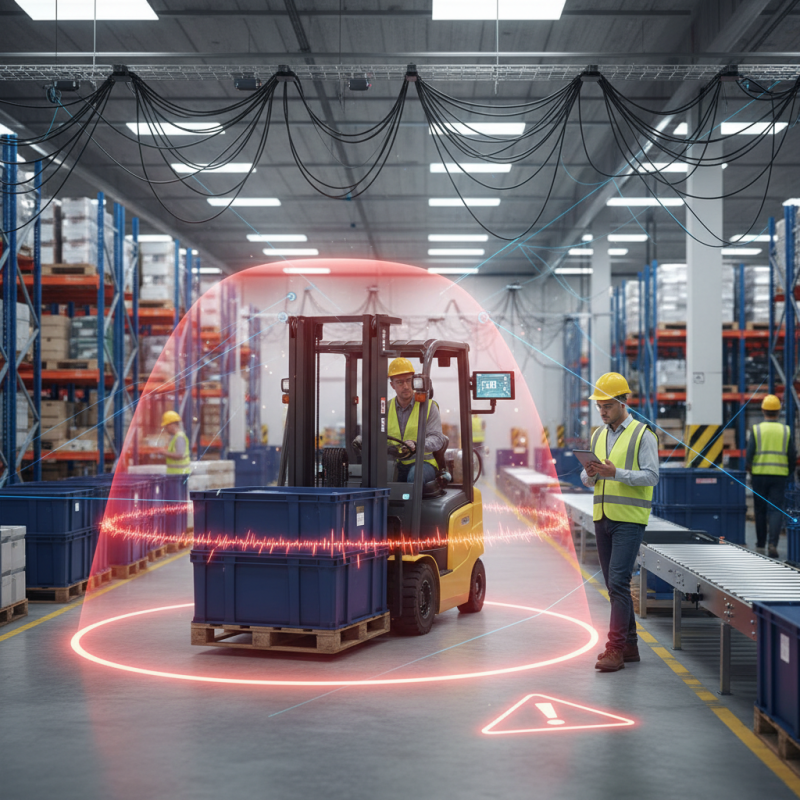
A Forklift Collision Detection System employs advanced sensors and alert mechanisms. These systems provide real-time data, helping operators avoid accidents. The technology not only protects the workforce but also minimizes property damage. As industries evolve, reliance on modern technologies becomes essential. However, many facilities still lack these systems, prompting a critical reflection on safety protocols.
Investing in such technology can seem daunting. Yet, the potential to save lives and enhance productivity often outweighs the initial costs. As our industry faces increasing demands, adopting a Forklift Collision Detection System is not just an option; it’s a necessity for a safer work environment.
The Importance of Forklift Collision Detection Systems in Workplaces
In today’s bustling workplaces, forklift collisions are a significant concern. According to the Occupational Safety and Health Administration (OSHA), forklift accidents cause approximately 85 fatalities annually and lead to more than 34,000 injuries. A collision detection system is crucial for improving workplace safety. Such systems use sensors to monitor the environment and alert operators to potential collisions. This technology helps prevent accidents, reduces injury rates, and enhances overall operational efficiency.
Implementing a forklift collision detection system is not just a safety measure; it's a strategic investment. A report suggests that companies utilizing these systems can reduce accident rates by up to 30%. This reduction translates to lower workers' compensation costs and less downtime. Moreover, a safer work environment boosts employee morale and productivity.
Tips: Regular training on the collision detection system is essential. Employees should understand how to use the system effectively. Plus, continuous monitoring and system updates ensure optimal performance. Consider integrating safety protocols into daily operations. Even minor adjustments can lead to significant improvements in safety culture. These measures are simple yet impactful.
Forklift Collision Incidents in Workplaces (2018-2022)
Statistics on Forklift Accidents and Their Impact on Warehouse Safety
In busy warehouses, forklift accidents can pose serious threats. Statistics reveal that thousands of injuries occur each year due to collisions. These incidents often lead to significant costs. Injuries and damage can disrupt operations. This reflects a pressing need for safety measures.
Many accidents happen in tight spaces. Forklifts can easily collide with workers or other equipment. Poor visibility and inattentiveness contribute to these mishaps. It’s alarming how a moment of distraction can result in severe consequences. A detection system can alert operators, potentially preventing injuries.
Investing in a collision detection system is crucial. It provides an extra layer of safety. Yet, some warehouses still overlook this technology due to cost concerns. Skipping this step can lead to regret when accidents occur. Prioritizing safety measures is not just an expense; it’s a vital investment in workforce well-being.
Why Do You Need a Forklift Collision Detection System? - Statistics on Forklift Accidents and Their Impact on Warehouse Safety
| Year | Accidents Reported | Injuries | Fatalities | Total Costs (USD) |
| 2018 | 4,500 | 3,500 | 100 | $135 million |
| 2019 | 4,700 | 3,800 | 110 | $140 million |
| 2020 | 4,200 | 3,300 | 90 | $128 million |
| 2021 | 4,000 | 3,100 | 85 | $120 million |
| 2022 | 3,800 | 2,900 | 80 | $115 million |
How Collision Detection Systems Enhance Productivity and Reduce Downtime
Forklift collision detection systems are essential in busy warehouses. These systems can sense obstacles and prevent accidents. This capability enhances workplace safety and boosts productivity. Fewer accidents mean a smoother workflow. When workers feel safe, they perform better.
Incorporating these systems reduces downtime significantly. In the event of a collision, damage can halt operations. Repairs are costly, both in time and money. Collision detection systems minimize these interruptions. They enable operators to focus on their tasks instead of worrying about potential accidents.
However, there are challenges. Not all systems are foolproof. False alarms can lead to frustration. Workers might ignore alerts over time. This reduces the effectiveness of the system. Regular training and updates are needed. Companies must remain vigilant to keep safety as a priority. Continuous improvement is key.
Key Features to Look for in a Forklift Collision Detection System
A forklift collision detection system is essential for workplace safety. It reduces accidents involving forklifts, which account for nearly 25% of warehouse injuries, according to the Occupational Safety and Health Administration (OSHA). A well-designed system can effectively decrease these incidents. Key features can make a significant impact on safety and efficiency.
One important feature is real-time monitoring. This allows operators to receive immediate alerts when a potential collision is detected. Systems that incorporate sensors and cameras can spot hazards from different angles. They help in preventing accidents in busy environments. Consider options that provide integration with existing fleet management tools. This can streamline operations further.
Another feature to look for is customizable alerts. Different settings are important for various environments. Operators can adjust sensitivity based on traffic levels and distinct layouts. Data analytics can provide insights into collision trends. This aids in identifying areas for improvement. While many systems are available, understanding specific needs is crucial. Testing different systems before implementation may uncover unexpected challenges.
Case Studies: Success Stories of Collision Prevention in Logistics Operations
In logistics operations, safety is paramount. Collision detection systems for forklifts play a vital role in preventing accidents. A notable case involved a large warehouse where daily traffic often led to near misses. By installing a detection system, the facility saw a 40% reduction in collisions within the first month. This impressive outcome highlighted how technology can enhance safety in busy environments.
Another case study focused on a distribution center struggling with frequent product damages. Forklift operators often collided with shelves, disrupting workflows. After implementing a collision detection system, the center reported significant improvements. Operators became more aware of their surroundings. Delays decreased, and product losses declined. Such stories emphasize the importance of proactive measures in collision prevention.
However, challenges still remain. Some operators initially resisted the new technology, fearing it could complicate processes. Training and adjustments were necessary to ensure proper usage. This reflection highlights that implementing safety solutions requires not just technology but also a shift in mindset. Continuous improvement is essential for fostering a safe work environment.