How to Find a Top China Heavy Machinery Dealer?

Choosing a reliable heavy machinery dealer is not simply a price comparison. It is a risk-management decision for contractors, fleet owners, and infrastructure companies.

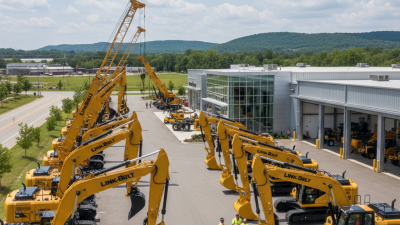
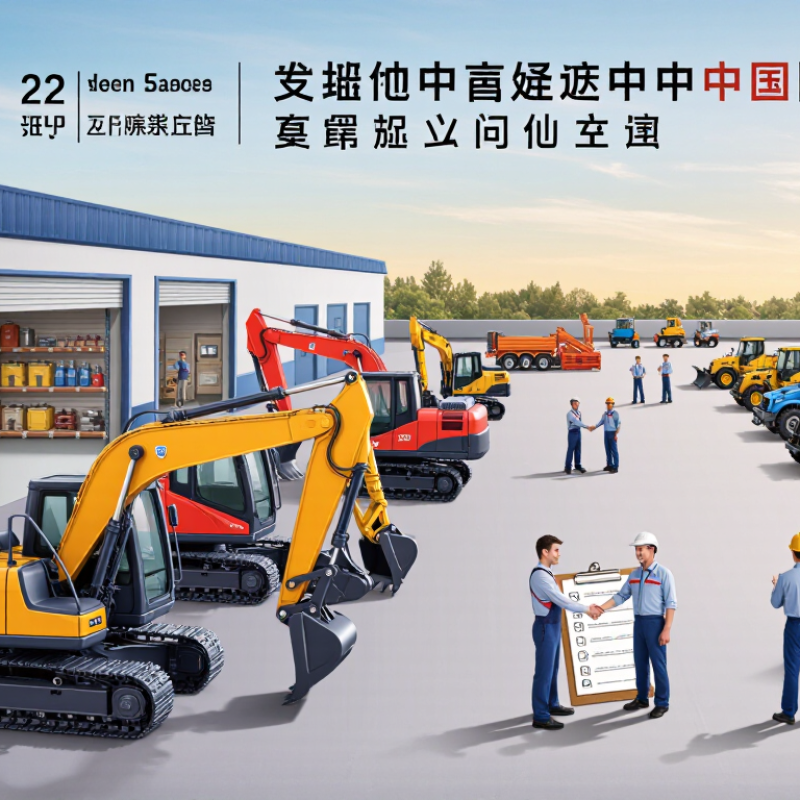
The dealer’s yard tells part of the story. Look for clean service bays, organized parts shelves, documented inspections, and technicians who explain failures clearly. A machine may look polished outside. Its maintenance history matters more. Deloitte’s 2024 Engineering and Construction Industry Outlook highlights technology adoption, labor pressure, and productivity as major industry concerns. These trends make uptime, remote monitoring, and technical support increasingly important.

Off-Highway Research’s Global Construction Equipment Markets reports also track changing equipment demand across major regions. Their market analysis shows why local knowledge matters. A dealer familiar with regional terrain, regulations, financing conditions, and resale patterns can reduce ownership surprises. A cheaper excavator may become expensive when parts wait for weeks.

Kip Eideberg, president and CEO of the Association of Equipment Manufacturers, has emphasized, “Dealers are an integral part of the equipment manufacturing ecosystem.” That point deserves attention. The right dealer connects the manufacturer’s warranty, the operator’s daily experience, and the machine’s long-term value.

Ask difficult questions. Can the dealer provide service records? How quickly can common parts arrive? Are replacement components genuine and traceable? What does the warranty exclude?

No dealer is perfect. Buyers should reflect on their own evaluation process, too. A persuasive salesperson can still hide weak after-sales support. Compare written evidence, not promises. Then judge the heavy machinery dealer by measurable service capacity, transparent costs, and proven customer experience.
How to Find a Top China Heavy Machinery Dealer?

Size the Market: KHL’s 2024 Yellow Table Reports $254.7B in 2023 Sales

How to Find a Top China Heavy Machinery Dealer?

KHL’s 2024 Yellow Table reports $254.7 billion in global construction equipment sales for 2023. This figure shows the market’s scale, but it does not guarantee every dealer is reliable. A strong China heavy machinery dealer should explain its product range, factory sources, export experience, and after-sales process clearly. Ask for recent delivery records, not only polished website photos.

The details matter. Check whether spare parts are stocked locally or shipped from China. Ask how quickly technicians respond when a hydraulic hose fails on site. Request machine inspection reports, operating-hour records, warranty terms, and loading photographs. A serious dealer should provide consistent serial numbers and technical specifications. Vague answers are warning signs.

Market size also changes your buying strategy. With billions of dollars moving through the sector, buyers can compare several suppliers instead of accepting the first quotation. Compare fuel use, lifting capacity, attachments, maintenance access, and total ownership cost. A lower purchase price may hide expensive parts or slow support. I have seen buyers focus too heavily on the machine and too little on service distance. That mistake is easy to repeat. Visit the dealer when possible. Watch how staff handle difficult questions. Good judgment takes time.

Set Technical Filters: SAE J1349 Power Ratings, Payload, and Fuel Use

How to Find a Top China Heavy Machinery Dealer?

A reliable dealer should provide technical evidence, not only attractive brochures. Ask for engine net power tested under SAE J1349 conditions. This standard uses corrected reference conditions, including 25°C air temperature and 99 kPa pressure. The rating helps comparison. It does not predict every jobsite result.

Check payload against operating weight, bucket size, and material density. A 20-ton payload claim can become unrealistic with wet clay or steep haul roads. The U.S. EPA’s NONROAD model documentation uses load factors and duty cycles when estimating fuel consumption. That approach is more useful than quoting maximum horsepower alone. Request fuel use in litres per hour and litres per tonne moved. Insist on test conditions.

Fuel numbers need context. The International Energy Agency’s World Energy Outlook 2023 shows heavy transport and industrial equipment remain difficult sectors to decarbonize, making efficiency a practical purchasing filter. Compare two machines on the same cycle: loading time, travel distance, idle minutes, and payload. Small differences matter. A 3-litre hourly gap can exceed 6,000 litres over 2,000 operating hours.

I would also question perfectly clean figures. They may reflect an ideal test, not a dusty quarry. Review maintenance records, calibration documents, and independent field logs. A serious dealer should explain deviations without defensiveness. That response is technical evidence too.

Verify the Dealer: ISO 9001:2015, Factory Authorization, and Service KPIs

Finding a top China heavy machinery dealer starts with evidence, not polished photos. During site evaluations, I check whether ISO 9001:2015 certification matches the factory’s legal name, production address, and certificate scope. Ask for the issuing body’s verification link and current validity. Check the dates. A certificate covering office administration alone says little about welding, assembly, or final inspection. I also compare serial records, inspection forms, and corrective-action reports. Small inconsistencies deserve a written explanation.

Factory authorization should be specific, signed, and current. It should identify equipment categories, sales territory, warranty responsibility, and spare-parts access. A dealer may be an experienced trader without direct factory authority. That is not automatically unacceptable, but the arrangement must be clear. Request a factory contact through an independently verified channel. Ask whether technicians receive training, how updates are recorded, and who approves warranty decisions. I once accepted a broad authorization letter too quickly. It created delays later.

Service KPIs reveal more than promises. Request the previous six to twelve months’ average response time, first-visit resolution rate, parts-fill rate, technician travel time, and warranty closure time. Insist on definitions, sample sizes, and anonymized service tickets. A low average can hide difficult cases. Look at the worst month too. Speak with two recent customers operating similar machines in dusty, remote conditions. Reliable dealers provide evidence without pressure, admit weak points, and offer a practical remedy with an owner and deadline.

Compare Ownership Cost: 5-Year TCO, Parts Fill Rate, and Resale Value

When comparing a China heavy machinery dealer, do not stop at the quoted machine price.

Build a five-year total cost of ownership (TCO) sheet before signing anything. Include purchase, freight, financing, fuel, scheduled service, tires, training, insurance, and expected downtime. Ask the dealer for service intervals and realistic fuel figures from similar soil and workloads. Laboratory numbers can mislead.

A 2,000-hour annual workload changes the calculation quickly.

Parts support deserves hard evidence. Request a 12-month parts fill-rate report, measured by orders shipped complete and on time. A 95% rate sounds strong, but clarify whether it covers filters, hydraulic hoses, sensors, and undercarriage components.

Check warehouse location, dispatch times, warranty handling, and technical response hours. Ask for two customer references with comparable machine hours. Emails are not enough. If a common filter waits three weeks, a low-cost machine can become expensive.

Estimate resale value with conservative assumptions.

Compare auction records, dealer trade-in quotes, and prices for machines with similar age, hours, maintenance records, and emissions configuration. Keep inspection reports, oil analyses, repair invoices, and component replacement records.

A clean service history may protect value better than optimistic brochures. Be careful with forecasts. Exchange rates, local demand, and policy changes can move the market. Five-year projections are never precise. Leave a contingency reserve, then test the model with higher fuel prices and a 15% downtime increase.

Score Contract Risk: ISO 15143-3 Telematics, Warranty, and SLA Metrics

Choosing a top China heavy machinery dealer requires more than comparing purchase prices. Score contract risk through measurable evidence. ISO 15143-3 telematics should provide standardized hours, location, fuel use, fault codes, and maintenance events. Ask for a live demonstration, not screenshots. Confirm data ownership, export rights, update frequency, and API availability.

McKinsey Global Institute’s Reinventing Construction report found construction productivity grew about 1% annually over two decades. Small visibility gaps can therefore become expensive. Compare telematics uptime, alert accuracy, and repair response times across several machines. A dashboard may look impressive. That is the trap. Request twelve months of anonymized service records, including delayed parts and repeated failures.

Warranty language deserves equal attention. Check coverage by hours, calendar period, components, labor, travel, and exclusions. The Construction Industry Institute reports that rework can consume roughly 5–15% of project costs, making unclear warranty responsibility dangerous. Build SLA metrics into the contract: emergency response within four hours, technician arrival within 24 hours, parts-fill targets, and repair-completion deadlines. Add service credits for missed targets, with written escalation steps. I would not accept “fast support” as a metric. It sounds reassuring, but it cannot be audited. KPMG’s Global Construction Survey also identifies schedule and cost overruns as persistent project risks. A dealer’s references should include comparable climate, workload, and terrain. One overlooked weakness remains: telematics data can be incomplete during poor connectivity, so manual inspection records still matter.

How to Find a Top China Heavy Machinery Dealer? - Score Contract Risk: ISO 15143-3 Telematics, Warranty, and SLA Metrics

Risk Dimension Contract Metric Evidence or Measurement Method Recommended Acceptance Benchmark Weight Score
(0–5)
Weighted
Points
Telematics Compliance ISO 15143-3 data availability Review the live API or portal demonstration and confirm that machine operating data can be exported through an ISO 15143-3-compatible interface. Documented ISO 15143-3 compatibility; no manual spreadsheet-only reporting. 15% 5 15.0
Telematics Data Scope Required machine fields Check availability of machine identifier, total operating hours, location, fuel or energy information where supported, utilization, and active fault or warning information. At least 90% of required fields populated for the contracted machine population. 10% 4 8.0
Data Freshness Telematics update interval Measure the elapsed time between machine events and their appearance in the portal or API during a controlled operating test. Normal operating data available within 15 minutes; fault alerts available within 30 minutes. 8% 4 6.4
Data Continuity Telematics service availability Use monthly service reports to compare scheduled service hours with API or portal downtime, excluding documented force majeure events. Minimum 99.0% monthly availability, with incident records and recovery procedures. 7% 3 4.2
Warranty Coverage Warranty duration and scope Compare the signed warranty schedule with the machine delivery date, operating-hour limit, covered components, exclusions, and transfer conditions. Clear time-and-hours limit, component coverage, exclusions, claim documents, and no undisclosed verbal conditions. 12% 4 9.6
Warranty Claims Claim acknowledgement and decision time Audit historical claim logs or require quarterly reporting showing submission, acknowledgement, inspection, approval, repair, and closure dates. Acknowledgement within 2 business days; initial decision within 10 business days after complete documentation. 10% 3 6.0
Parts Availability Critical spare-parts fulfilment Review stock reports, order history, lead-time records, and the escalation route for unavailable critical parts. At least 95% of critical parts dispatched within 5 business days, or an approved alternate solution provided. 10% 3 6.0
Field Service SLA Response and restoration time Measure elapsed time from a logged service request to acknowledgement, technician dispatch, and restoration of operational capability. Acknowledge within 4 business hours; provide a corrective-action plan within 1 business day. 12% 4 9.6
Maintenance Execution Preventive-maintenance completion Compare scheduled maintenance events with telematics operating hours, technician work orders, inspection forms, and completed service dates. At least 95% of planned services completed within the agreed operating-hour or calendar tolerance. 8% 4 6.4
Contract Governance SLA reporting and remedies Check whether the contract defines KPI ownership, reporting frequency, service credits, escalation levels, audit rights, and termination triggers. Monthly KPI report, quarterly review, documented escalation ladder, and measurable remedies for repeated breaches. 8% 3 4.8
Total Contract-Risk Score 100% — 76.0 / 100
Scoring Method
Score each dimension from 0 to 5: 5 = independently verified and fully compliant; 4 = documented and substantially compliant; 3 = partially verified or subject to exceptions; 2 = material gaps; 1 = largely unsupported; 0 = absent or refused.
Weighted points = dimension weight × score ÷ 5.
Risk interpretation: 80–100 = lower contractual risk; 60–79 = moderate risk requiring negotiated protections; below 60 = higher risk requiring corrective actions or alternative sourcing.
ISO 15143-3 should be verified against the applicable edition, interface documentation, supported data fields, access rights, and the actual machine population stated in the contract. Acceptance benchmarks shown above are procurement controls, not universal requirements of the standard.