Why Investing in Modern Construction Equipment and Machinery is Essential for Your Success
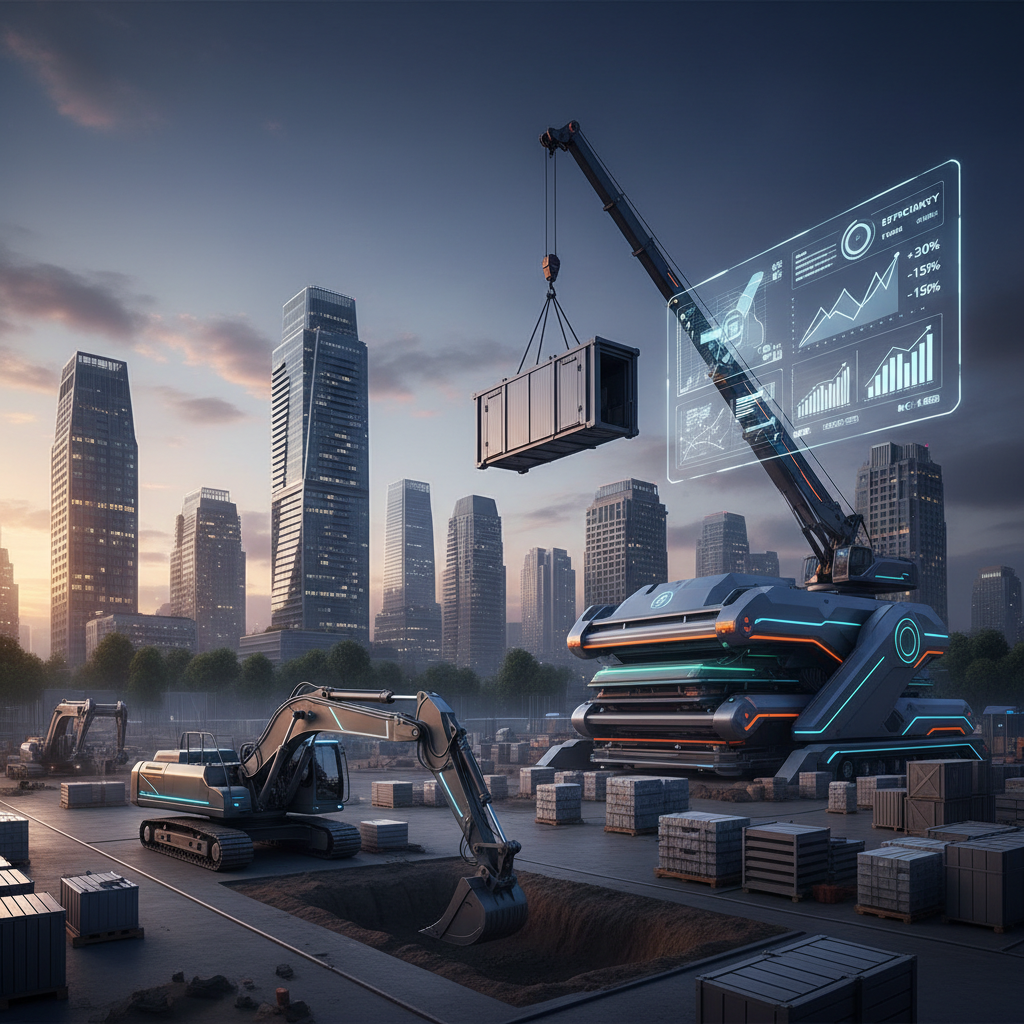
In today's rapidly evolving construction industry, the significance of modern construction equipment and machinery cannot be overstated. As we approach 2025, businesses are increasingly recognizing that investing in advanced equipment is not merely an option, but rather a vital component of achieving sustained success and competitive advantage. The right machinery can dramatically enhance efficiency, improve safety, and boost overall productivity on job sites, setting a strong foundation for future growth.
The integration of cutting-edge technology and innovative design into construction equipment and machinery stands to revolutionize traditional building practices. These advancements enable professionals to tackle complex projects with greater precision and reduced timelines, allowing companies to meet the rising demands of clients in an ever-competitive market. Moreover, incorporating modern machinery aids in minimizing operational costs and maximizing profitability, ensuring that businesses remain viable in a challenging economic landscape.
As we explore the "2025 Top 5" reasons why investing in modern construction equipment and machinery is essential, it becomes evident that these tools are not just instruments of construction; they are essential partners in driving success and shaping the future of the industry. It is an investment that pays dividends in efficiency, safety, and overall project outcomes, solidifying a company's position as a leader in the field.
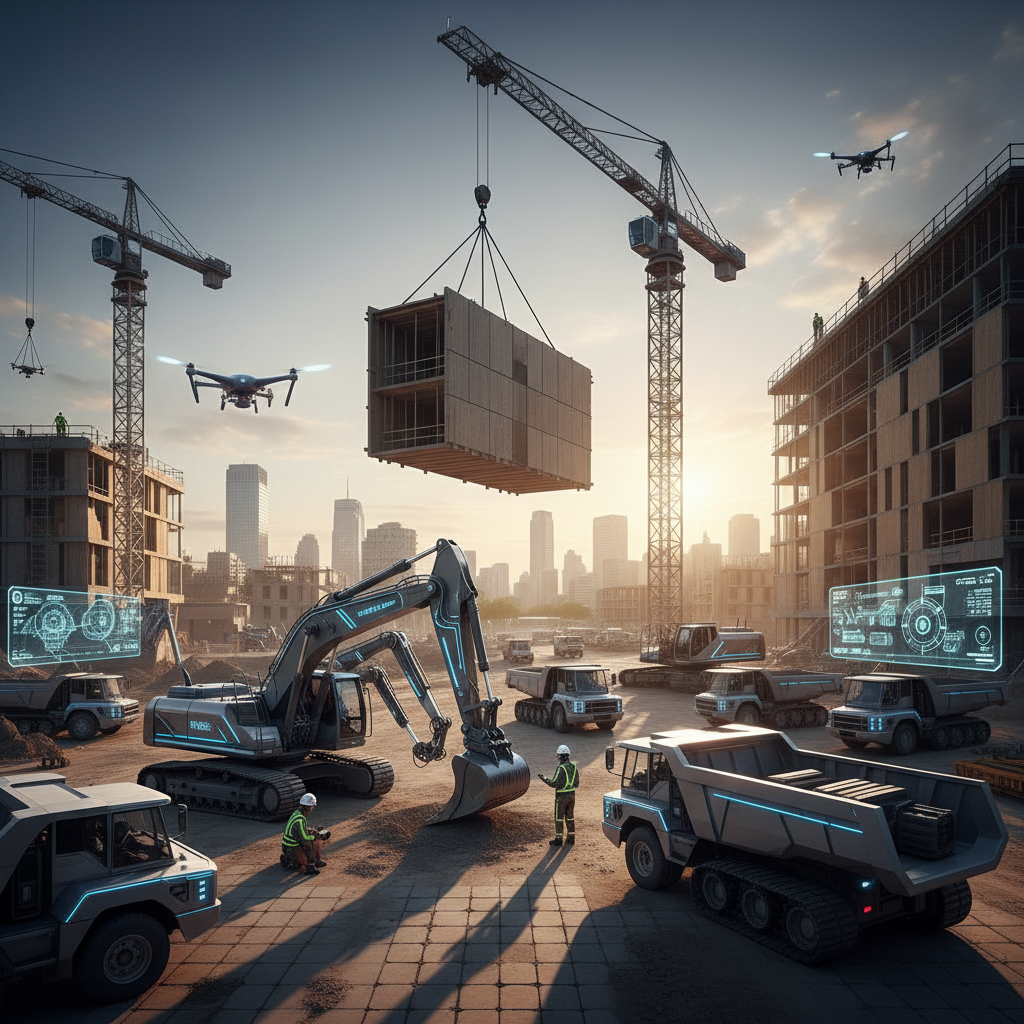
The Impact of Modern Construction Equipment on Project Efficiency
Investing in modern construction equipment and machinery has a profound impact on project efficiency, enabling construction teams to deliver higher-quality results in shorter timeframes.
Advanced machinery, such as excavators with precision controls and automated grading equipment, allows for greater accuracy in tasks that traditionally relied on manual labor. This increased precision minimizes errors, reduces rework, and ultimately leads to cost savings and enhanced productivity on construction sites.
Moreover, modern construction equipment often comes equipped with cutting-edge technology, such as telemetry and real-time data analytics. These innovations facilitate better planning and resource management by providing insights into equipment performance and project milestones.
As a result, construction managers can adapt their strategies promptly, ensuring that projects remain on schedule and within budget. Embracing these advancements not only streamlines operations but also positions companies to meet the growing demand for efficiency in an increasingly competitive market.
Key Technologies Driving Success in Construction Machinery
Investing in modern construction equipment and machinery is pivotal for achieving success in the competitive construction industry.
One key technology driving this success is IoT (Internet of Things) integration, which allows for real-time data collection and monitoring of equipment performance.
This technology facilitates predictive maintenance, reduces downtime, and enhances operational efficiency.
By equipping machinery with sensors and connecting them to cloud platforms, construction firms can optimize their workflows and make informed decisions based on actionable insights.
Another transformative technology is the use of advanced robotics and automation in construction processes.
Automated machinery, such as robotic arms for bricklaying or drones for site surveying, not only increase precision and speed but also contribute to safer working environments by handling hazardous tasks.
These innovations empower construction teams to focus on higher-level project management and creative problem-solving rather than tedious manual labor.
Embracing these technologies not only boosts productivity but also positions firms at the forefront of industry advancements, ultimately leading to sustained growth and profitability.
Cost-Benefit Analysis: Investing in Advanced Equipment
Investing in modern construction equipment and machinery is not just a trend—it's a vital step toward achieving long-term success in the construction industry. A cost-benefit analysis can reveal that while the upfront costs of advanced equipment may be significant, the potential savings and increased productivity often outweigh these expenses. Advanced machinery offers enhanced efficiency, greater precision, and reduced maintenance costs, which collectively contribute to better project timelines and improved profit margins.
**Tip**: Always consider the total cost of ownership when evaluating equipment. This includes purchase price, maintenance, fuel consumption, and potential resale value. Investing in energy-efficient machinery can lead to further savings over time, as it typically results in lower operational costs.
Moreover, modern equipment often integrates smart technology that can optimize operations and provide valuable data insights. By leveraging these technologies, construction companies can make informed decisions that enhance productivity and minimize waste.
**Tip**: When selecting equipment, prioritize those that offer software and connectivity features. This will not only help in real-time monitoring but also set the stage for future automation and digital transformation initiatives within your projects.
Sustainability and Innovation: The Future of Construction Machinery
The construction industry is undergoing a significant transformation, driven by sustainability and innovation in machinery and equipment. As environmental concerns rise, modern construction companies are recognizing the importance of investing in eco-friendly machinery that not only minimizes waste but also enhances energy efficiency. Innovations such as electric-powered excavators and hybrid construction vehicles are leading the way, offering reduced emissions and lower operational costs. This shift is not just a trend; it is essential to meet regulatory requirements and achieve long-term success in a competitive marketplace.
Alongside sustainability, technological advancements in construction equipment are reshaping operational efficiency. Smart machinery equipped with IoT capabilities allows for real-time monitoring and data analysis, optimizing performance and minimizing downtime. Innovations such as autonomous vehicles and drones are streamlining processes, reducing labor costs, and enhancing safety on job sites. By embracing these advancements, companies are positioning themselves as leaders in the industry, ready to tackle the challenges of tomorrow while contributing to a more sustainable future.
Top Trends in Construction Equipment for 2025 and Beyond
As we look toward 2025 and beyond, the construction industry is poised for significant transformation driven by technological advancements. One of the most notable trends is the rise of automation and robotics in construction equipment. Machines equipped with artificial intelligence (AI) are enabling greater precision and efficiency, allowing for complex tasks to be completed with minimal human intervention. This shift not only enhances productivity but also addresses labor shortages by streamlining workflows and reducing the demand for manual labor.
Another pivotal trend is the integration of eco-friendly technologies in construction machinery. As the construction sector grapples with environmental concerns, the demand for sustainable equipment is on the rise. Electric and hybrid machinery are becoming increasingly popular, minimizing carbon emissions while maintaining performance. Furthermore, innovations such as telematics are facilitating better equipment management, allowing companies to monitor fuel consumption and maintenance needs in real-time, thus promoting more sustainable practices across the industry. Embracing these trends will not only ensure compliance with regulations but also position companies to lead in a rapidly evolving market.