Why Do You Need a Frequency Converter for Your Business?
In modern industrial applications, the efficiency of power conversion is crucial for operational success. A Frequency Converter plays a vital role in adapting and optimizing energy consumption. According to a recent report by MarketsandMarkets, the global frequency converter market is projected to grow at a CAGR of over 6.5% from 2023 to 2030. This underscores the increasing need for reliable conversion technology in various sectors.
The integration of Frequency Converters helps businesses tackle power supply fluctuations. It ensures that equipment operates without interruption. Additionally, proper use of these devices can lead to reduced energy costs, enhancing overall profitability. However, implementing Frequency Converters is not without challenges. Proper selection and installation require technical knowledge and careful planning to avoid inefficiencies.
Each industry has unique demands, making it essential to assess specific power requirements. Many companies overlook the importance of this assessment, leading to misapplications. By considering the right Frequency Converter, businesses can improve productivity and performance. Proper implementation remains key to leveraging the full benefits of this technology.
The Importance of Frequency Converters in Industrial Applications
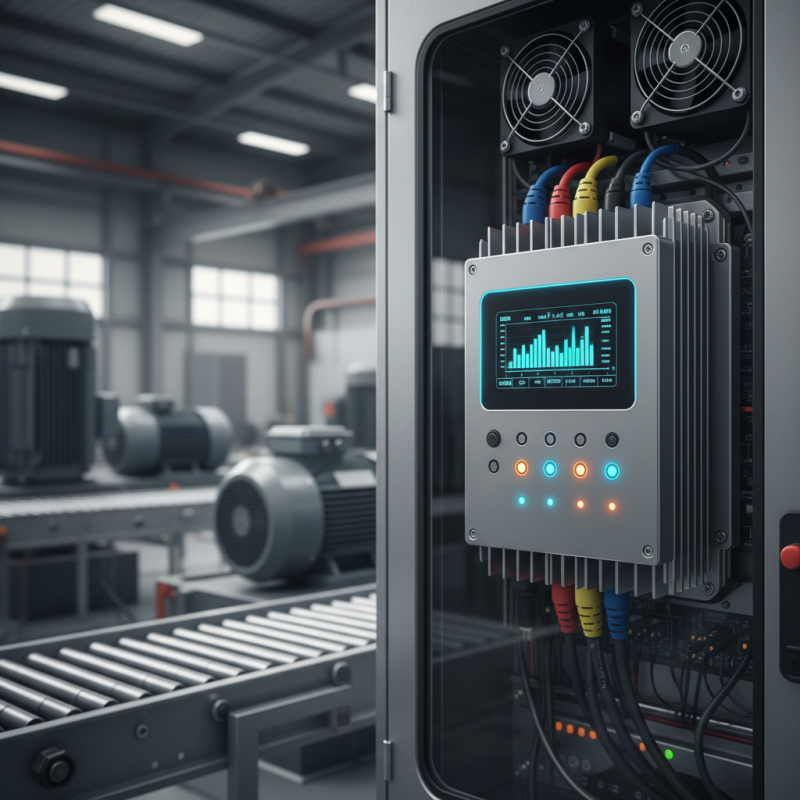
In industrial applications, frequency converters play a crucial role. They enable devices to operate at variable speeds, improving efficiency. This flexibility helps industries adapt to different operational demands seamlessly. For instance, pumps and fans can adjust their speeds based on real-time requirements, saving energy and reducing wear and tear.
Tips: Regular maintenance of frequency converters ensures prolonged service life. Check for overheating and dust accumulation periodically.
Implementing a frequency converter can seem daunting at first. However, the benefits outweigh initial challenges. They enhance control over machinery and optimize production processes. Industries can achieve higher productivity levels through this technology. Additionally, operators need training to handle these devices effectively.
Tips: Invest in training sessions to minimize errors. Knowledgeable staff can maximize the converter's potential.
Moreover, frequency converters contribute to setting a sustainable path for industries. By reducing energy consumption, they support eco-friendly initiatives. Though the initial investment may be high, long-term savings are significant. Understanding these systems deeply is essential for making informed decisions.
Key Benefits of Using Frequency Converters in Energy Efficiency
Frequency converters play a vital role in enhancing energy efficiency for businesses. They adjust the frequency and voltage of power supplied to machines. This adaptation helps match the operational needs of various equipment. By optimizing this energy use, businesses can reduce waste and lower utility costs. It often leads to significant energy savings over time.
Implementing a frequency converter can enhance control over motors. Better control translates to improved performance and reduced mechanical stress. However, companies may face challenges in integrating these devices into existing systems. Not all older machines are compatible. This mismatch can lead to additional costs and complexities. Businesses must weigh these considerations against potential benefits.
Maintaining energy efficiency also requires regular assessments. Frequency converters may not always function at peak efficiency due to wear or improper settings. Keeping track of their performance can be labor-intensive. Yet, the potential rewards of improved energy management and cost savings often justify the effort. Overall, frequency converters offer tangible benefits, but careful planning is crucial for successful implementation.
Benefits of Using Frequency Converters in Energy Efficiency
How Frequency Converters Enhance Equipment Performance and Longevity
Frequency converters are crucial for optimizing equipment performance across various industries. They enable precise control of motor speed, enhancing operational efficiency. According to a report by the International Energy Agency, using frequency converters can lead to energy savings of up to 30%. This not only reduces operational costs but also minimizes wear and tear on machinery, leading to longer operational lifespans.
The implementation of frequency converters can significantly improve reliability in manufacturing processes. For instance, they help in maintaining a consistent output and preventing potential overload situations. A study published in “Electric Power Systems Research” highlighted that machinery equipped with frequency converters experiences 25% less downtime. This translates to fewer repairs and lower maintenance costs.
Moreover, integrating frequency converters into existing systems can be challenging. Some operators may struggle with the initial setup and adjustments. Incorrect configurations can result in inefficient performance. Continuous education and training are essential for staff to navigate these complexities effectively. Investing time in understanding the functionality can yield significant long-term rewards.
Cost Analysis: Frequency Converters vs. Traditional Power Solutions
When evaluating power solutions, businesses often consider the long-term costs of frequency converters versus traditional systems. A frequency converter is designed to optimize energy use. Traditional solutions might appear cheaper initially, but hidden costs can add up quickly. A study from the International Electrotechnical Commission indicates that businesses can save up to 30% on energy bills by using frequency converters efficiently.
The operational efficiency of frequency converters leads to significant savings in maintenance and downtime. According to a report by the U.S. Department of Energy, equipment using frequency converters experiences up to 40% less wear. This means fewer repairs and replacements, ultimately prolonging the lifespan of machinery. While some may find that frequency converters have a higher upfront cost, the reduced operational costs often outweigh this expense over time.
Moreover, frequency converters enable better control of industrial processes. They allow for precise adjustments to motor speed, which can enhance performance and reduce energy waste. An analysis by the Electric Power Research Institute shows that precise speed control can lead to a 25% increase in overall system efficiency. This can transform financial forecasts, making frequency converters a worthwhile investment for businesses focused on long-term growth and sustainability.
Industry Trends: Growing Adoption of Frequency Converters Globally
The global market for frequency converters is seeing significant growth. According to a recent market report, the frequency converter market is expected to reach USD 25 billion by 2025, growing at a CAGR of around 5.5%. This rise is driven by diverse industries looking to improve energy efficiency and optimize equipment performance. Companies that rely on variable speed drives are increasingly adopting converters to enhance process control.
A notable trend is the growing demand in renewable energy sectors. The International Energy Agency (IEA) noted that frequency converters are crucial for integrating renewable power sources into existing electrical grids. With over 30% of new power generation coming from renewable sources, frequency converters play a pivotal role in stabilizing grid operations. Industrial facilities are investing in these technologies to minimize downtime and ensure smoother operations.
Challenges remain, however. Many businesses still grapple with the high initial costs of implementing frequency converters. Moreover, there is a skill gap in the workforce concerning advanced system integration. This prompts companies to weigh the long-term benefits against upfront expenses. The industry must also focus on training programs to bridge this knowledge gap. As the demand intensifies, businesses must adapt or risk falling behind.
Why Do You Need a Frequency Converter for Your Business? - Industry Trends: Growing Adoption of Frequency Converters Globally
| Country | Annual Growth Rate (%) | Major Industries Using Frequency Converters | Advantages of Frequency Converters |
| USA | 7.5% | Manufacturing, Oil & Gas, Renewable Energy | Energy efficiency, Cost savings, Reliability |
| Germany | 5.2% | Automotive, Industrial Machinery, HVAC | Improved performance, Flexibility, Reduced wear and tear |
| China | 10.1% | Construction, Textile, Marine | High precision control, Reduced noise, Low maintenance |
| India | 8.3% | Water Treatment, Mining, Railways | Adaptability to different loads, Extended equipment life, Enhanced process control |
| Brazil | 6.8% | Agriculture, Food Processing, Chemical | Lower operational costs, Energy conservation, Stability in output |