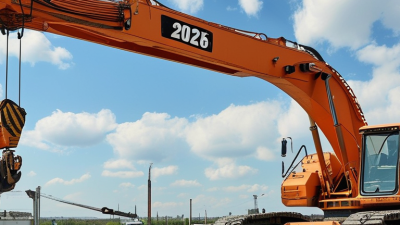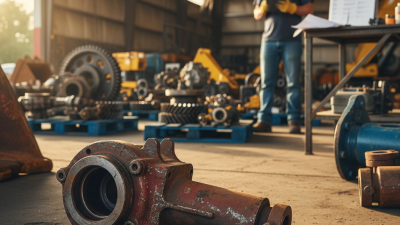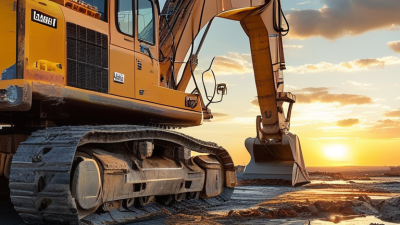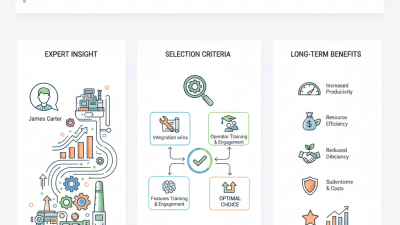
A crane can look ready for work while a small hydraulic leak, worn seal, or delayed replacement part quietly threatens the schedule. In 2026, choosing a link belt crane parts dealer is not just a price comparison. It is a practical decision about fit, documentation, availability, and support when a machine is down. Small details matter.
The American Rental Association’s 2024 Rental Market Monitor forecast U.S. equipment and event rental revenue of $78.2 billion for 2024, reflecting the scale of equipment-dependent work. Caterpillar’s 2024 annual report also describes parts and dealer support as important parts of its customer-service model. These sources do not measure Link-Belt parts availability directly, but they underline why dependable service channels matter across heavy equipment. A dealer should verify parts against the crane’s model and serial number, explain whether components are genuine or aftermarket, and provide clear warranty and return terms. Ask about stock status and realistic shipping times, too. A confident estimate is not the same as confirmed inventory.
Look for traceable sourcing, knowledgeable staff, and practical technical support—not polished promises alone. Request written details before ordering, especially for safety-critical components. That step can feel tedious. It is still worthwhile. Even a reputable dealer may need time to confirm an uncommon part, and that is worth acknowledging rather than hiding. This guide explains how to check credentials, compare service, and spot warning signs before placing an order.
Before contacting a parts dealer, record the crane’s full model designation, serial number, and build year. Check the identification plate on the frame and compare its details with the equipment records. Note any later modifications, such as a replacement winch or revised control system. Similar-looking cranes can use different components. A model family name alone is not enough.
Tips: Photograph the identification plate, the installed part, and its connection points. Include clear images of labels, dimensions, and visible wear. Keep the old part until the replacement is confirmed. Small details matter.
Describe the part by its function and location, then check the parts manual or service documentation for its exact reference number. If the number is missing or unreadable, share measurements and photos with the dealer and ask them to verify compatibility against the crane’s serial range. A part that appears to fit may still have a different rating, mounting pattern, or connector. It is easy to rush this step when a machine is down; that assumption can cost time. Ask for written confirmation before ordering, and clarify whether the quoted item is new, rebuilt, or used.
A reliable crane-parts dealer should be able to explain its relationship with the equipment manufacturer, not just claim authorization. Ask for current credential documents, then confirm them through the manufacturer’s official dealer-locator or customer-support channel. Check that the listed business name, location, and contact details match the seller you are speaking with. A polished website is not proof.
Product knowledge is just as important. Share the crane’s model, serial number, and the part number from its manual or component tag. A capable parts specialist should use these details to check fitment, revisions, and any superseded part numbers. Ask for a catalog diagram or written confirmation before ordering. Small differences matter. If the answer is vague, or the seller guesses from a photograph, pause and verify elsewhere. That extra call can prevent a costly delay, though it cannot guarantee a perfect match.
Notice how the dealer handles uncertainty. A trustworthy representative will say when a detail needs checking and explain what documentation is available, such as a parts quotation, warranty terms, and expected lead time. Keep those records with the maintenance file. No process is flawless; even experienced buyers can overlook a suffix or serial-range note. A careful dealer makes those details easier to catch.
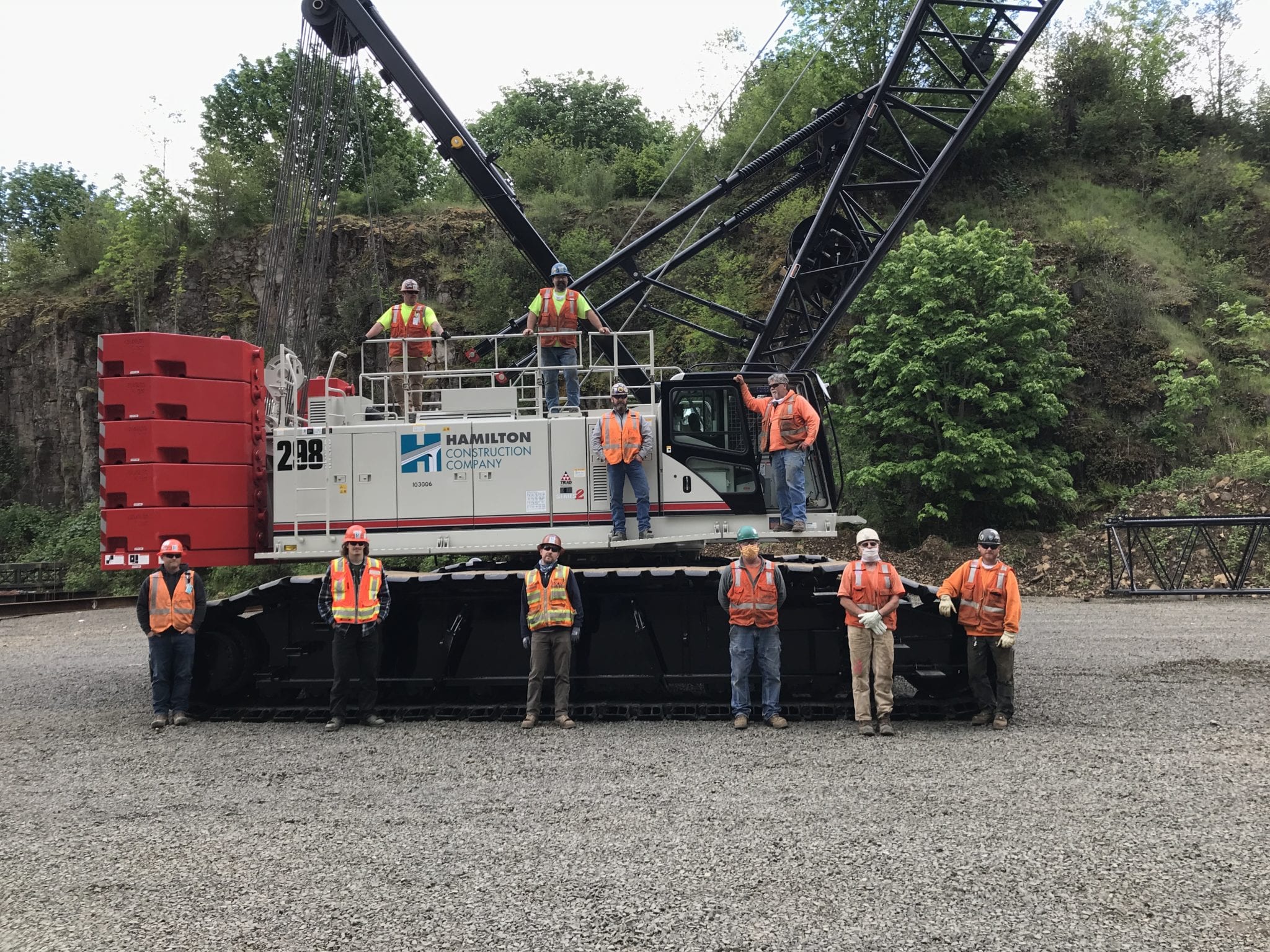
When a crawler crane is down, a familiar-looking part is not enough. Ask the dealer to match the part number to the crane’s model and serial details. Request clear photos of labels, cast markings, and packaging before ordering. Details matter. Documentation should match the part, not just support a confident sales description.
Availability deserves the same scrutiny. “In stock” may refer to a warehouse listing, not a shelf-ready component. Ask where the item is located, whether it is new, rebuilt, or used, and when it can actually ship. For a seal kit or hydraulic valve, confirm dimensions and included pieces. A quick answer is helpful, but it still needs checking.
Traceability connects the part to its source. Request an invoice, inspection record, and any available serial or batch information. Check that details agree across documents and labels, then keep the records with the maintenance file. Paperwork can be incomplete; that alone does not prove a part is wrong. Still, unexplained gaps deserve attention before installation. One clear photo may prevent a costly mismatch beside an open machine.
When assessing a Link Belt crane parts dealer in 2026, test technical support before an urgent repair. Ask whether its staff can verify parts using the crane’s model and serial numbers, and request written confirmation of compatibility. A useful support team should explain installation limits, request clear photos when needed, and identify when a field technician is appropriate. Fast replies matter. So does a useful answer. If the dealer cannot explain how it handles obsolete or revised components, keep looking.
Read warranty terms before comparing prices. Check the coverage period, labor exclusions, return conditions, and who pays freight for a defective part. Get these details in writing; a broad verbal promise is hard to use when a machine is down. For delivery, request current stock status, dispatch cutoffs, tracking, and realistic transit estimates to your job site.
McKinsey’s 2020 global supply-chain survey found that 93% of surveyed executives planned to make their supply chains more resilient. That is a reminder to ask about backup sourcing, not proof that any dealer can avoid delays.
Small detail, big difference: confirm the package contains the seals, fasteners, or instructions needed for installation. Some checks still get missed, so document the quote and delivery commitment.
Compare quotes line by line, not just by the final total. Ask each dealer to list the part number, condition, warranty, shipping cost, and confirmed delivery date. A lower price can lose its appeal when a crane sits idle waiting for a backordered seal or hydraulic component. Grand View Research valued the global construction equipment market at $145.5 billion in 2023 and projected 6.3% annual growth through 2030. That scale makes clear how much equipment depends on dependable parts supply, though market size alone cannot verify a dealer’s reliability. Paper trails matter.
Review service records for response times, order accuracy, backorders, and warranty resolution. Request references from crane operators or fleet managers who have sourced comparable parts. Ask how the dealer checks a part against the crane’s model and serial number, and whether staff can explain the fitment in plain terms. I would also look for dated service logs, not just polished testimonials. A spreadsheet can miss a frustrating detail: whether someone answers when a shipment is delayed. Compare the same parts basket across dealers, then check that quoted stock is actually available. One awkward question is useful: what happens if the part arrives damaged or does not fit? A clear answer is worth recording.