China Top 10 Link Belt Companies Buyers Trust?
Choosing the right supplier matters when a link belt supports lifting, conveying, or industrial transport. A weak component can create costly downtime, unstable movement, and difficult maintenance. This guide, titled “China Top 10 Link Belt Companies Buyers Trust?”, examines manufacturers through practical buyer concerns. These include material quality, production experience, engineering support, customization, testing, and delivery reliability.
Trust is not built by a polished website alone. It grows through consistent dimensions, clear technical documents, traceable materials, and responsive communication. A dependable link belt company should explain its steel grade, pitch tolerance, attachment design, surface treatment, and operating limits. Buyers should also ask for samples, inspection records, and references from comparable industries. Small details matter. A clean weld and accurate hole position can affect an entire conveyor line.
The companies discussed in this outline are considered from a buyer’s perspective, not from advertising claims. Their capabilities may vary by product type, factory location, and order volume. That deserves attention. Rankings can change as certifications, lead times, and service performance change. No supplier is perfect, and some information may require direct verification before purchase.
The review also reflects practical sourcing experience: comparing drawings, checking packaging, discussing replacement parts, and evaluating after-sales support. It aims to help international buyers make informed decisions without overstating any manufacturer’s reputation. Readers should confirm current certifications, export experience, warranty terms, and compliance requirements before signing a contract. Reliable sourcing takes more than price. It requires evidence, communication, and careful technical judgment.
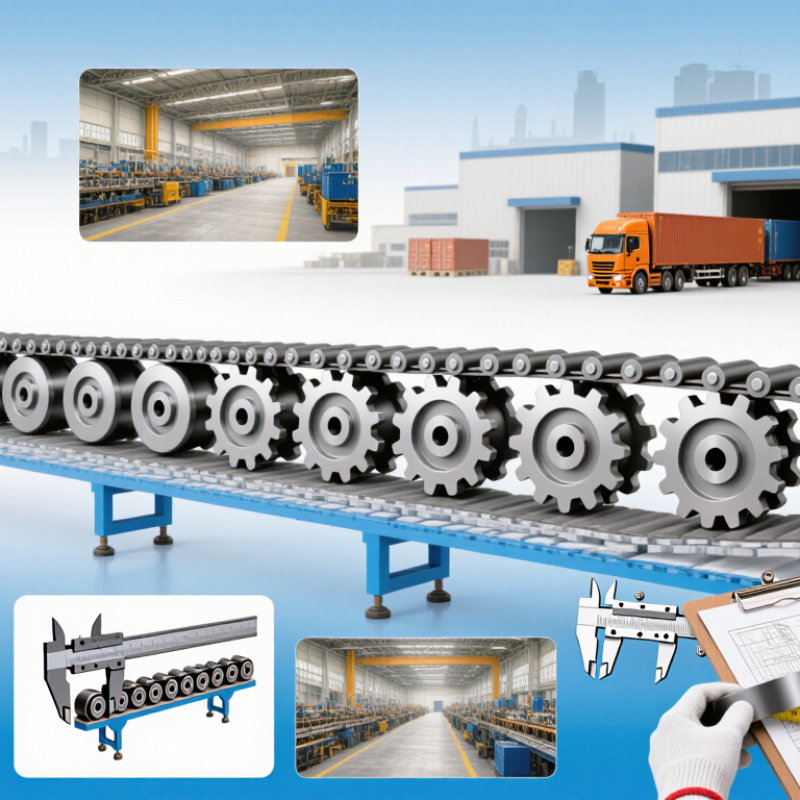
What Link Belt Companies Are and Why Buyers Evaluate Them
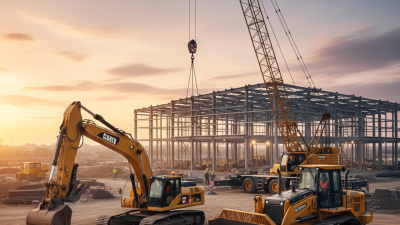
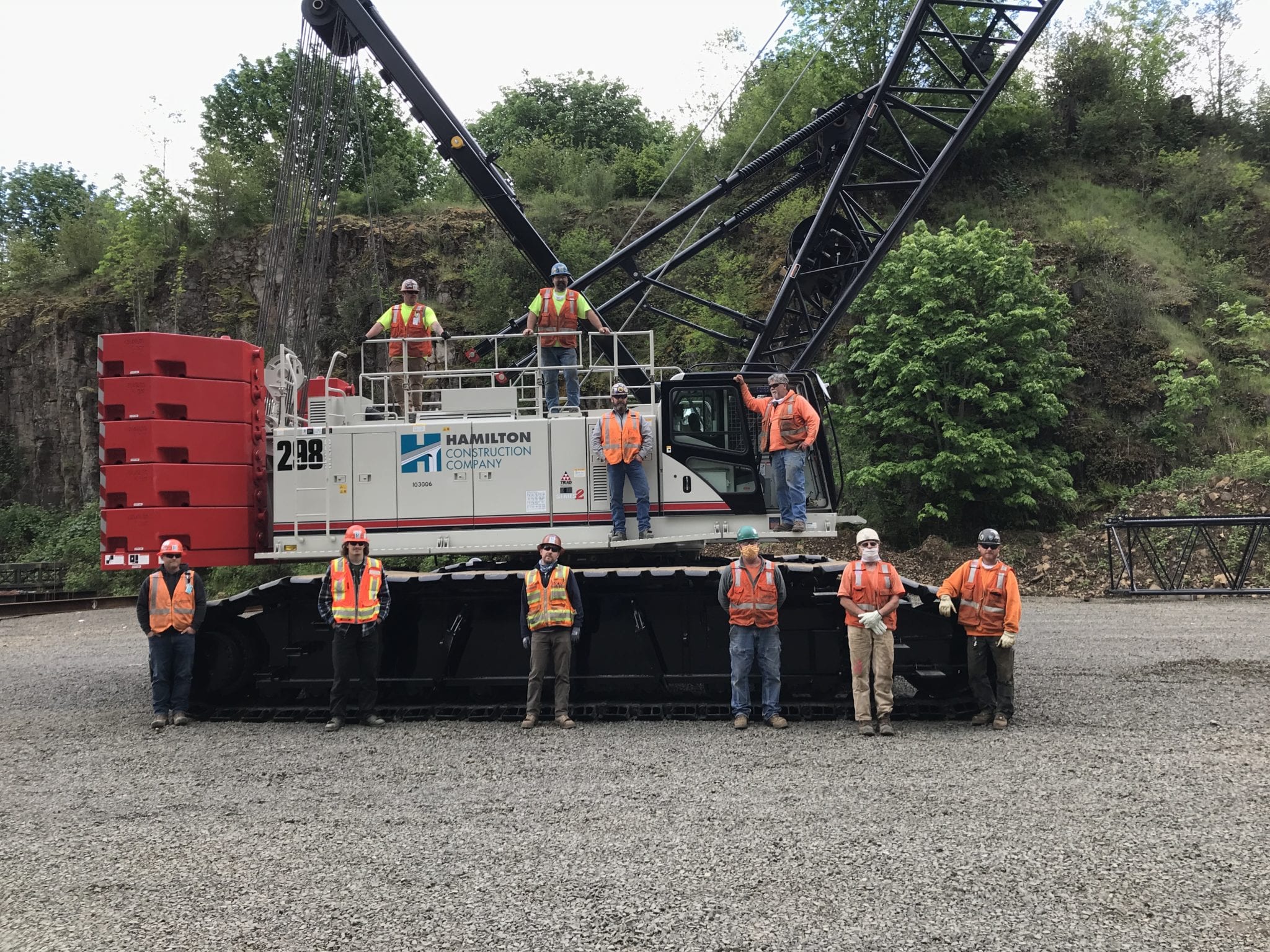
Link belt companies design and supply heavy equipment for lifting, excavation, and material handling. Their products may include crawler cranes, replacement components, hydraulic systems, and technical support. Buyers evaluate more than machine size or catalog capacity. They need equipment that performs reliably on uneven ground, crowded sites, and long work shifts.
Experience matters during this evaluation. A proven supplier should explain load charts, maintenance intervals, safety controls, and operator training clearly. Buyers also inspect steel quality, weld consistency, hose routing, and access to service parts. A practical test can reveal more than polished sales materials. For example, checking control response during a cold morning start may expose weaknesses hidden in warm factory conditions.
Reliability includes communication after delivery. Can the supplier answer a parts question quickly? Can technicians identify a hydraulic problem from photographs and operating details? These questions affect downtime and project costs. Certification records, inspection documents, warranty terms, and customer references help establish authority. Still, no supplier is perfect. I have seen strong machines paired with slow support, and simple equipment backed by excellent service. That contrast deserves attention. Buyers should record both strengths and disappointments during site visits. A balanced review is more useful than a perfect-sounding promise.
Criteria for Ranking the Ten Most Trusted Chinese Companies
China Top 10 Link Belt Companies Buyers Trust?
Ranking the ten most trusted Chinese link belt companies requires more than checking factory size. We examine product consistency, engineering experience, and export performance. A reliable supplier should provide clear material specifications, load ratings, and dimensional drawings. These details matter when belts run through dusty plants, wet yards, or demanding production lines.
Buyer trust also depends on quality control. We review inspection procedures, traceability records, and sample testing before shipment. Strong companies explain their heat treatment, welding, and surface finishing processes. They also respond quickly when drawings need revision. After-sales support matters too, especially when a replacement belt must match an existing system. Delivery history, packaging quality, and honest lead-time estimates influence the ranking. However, public information can be incomplete. That limitation deserves attention.
Tips: Request a sample, inspection report, and recent production photos. Ask how the company handles dimensional errors. Compare warranty terms, communication speed, and spare-part availability. A low quotation may hide weaker materials or inconsistent tolerances. Visit the facility when order volume justifies the expense. Check independent buyer feedback, not only testimonials supplied by the seller. Trust grows through evidence, not confident promises.
Profiles of China’s Top Ten Link Belt Companies
China’s top ten link-belt companies represent a broad manufacturing base, not one identical supplier type. Their profiles include heavy-crane specialists, excavator makers, port-equipment producers, steel-structure fabricators, hydraulic-system suppliers, and export-focused assemblers. Several combine laser cutting, robotic welding, and digital load testing. Others still rely heavily on experienced technicians. That difference matters during procurement.
The China Construction Machinery Industry Association reported construction-machinery exports of about US$44.1 billion in 2023. This figure shows strong international demand, but it does not prove equal quality across every supplier. Buyer audits should examine weld penetration, pin hardness, chain alignment, hydraulic leakage, and replacement-part availability. A reliable manufacturer should provide inspection records, load-test data, material certificates, and clear warranty terms. Factory visits remain useful. Photos are not enough.
The strongest profiles usually show three practical strengths: stable steel sourcing, documented production controls, and field-service coverage near major ports. Off-Highway Research has also identified China as a major force in global construction-equipment manufacturing, supported by large domestic production and expanding exports. Still, the ranking is imperfect. Public data often measures shipments, not long-term belt performance. Some smaller suppliers may deliver excellent custom work, while larger producers may respond slowly. Buyers should compare ten companies through verified references, sample inspections, and total operating cost rather than price alone.
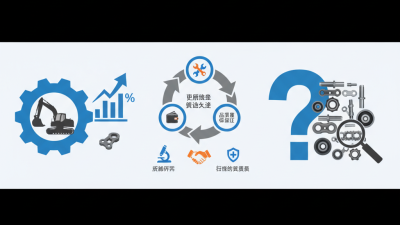
This chart summarizes the capability areas most frequently associated with leading Chinese link belt equipment manufacturers. The index is based on publicly described product coverage, engineering capability, service support, and export readiness; it is an industry-level comparison and does not display individual company or brand data.
How Buyers Can Compare Suppliers and Verify Their Reliability
China Top 10 Link Belt Companies Buyers Trust?
Buyers should compare link belt suppliers through evidence, not rankings alone. A polished website can still hide weak production control. Ask for factory photos, equipment lists, quality certificates, and recent inspection records. Check whether the supplier manufactures belts or only resells them. This distinction affects lead times, customization, and after-sales support.
Request a sample before placing a large order. Measure pitch, width, joint strength, surface finish, and dimensional consistency. Ask for the material grade and test method in writing. A reliable supplier should provide a traceable batch number and a clear inspection report. Contact at least two previous buyers, preferably from similar industries. Their comments should cover delivery accuracy, packaging, defect rates, and complaint handling. Video calls help, but they are not proof.
Use a small trial order to test real performance. Inspect the carton, labels, protective wrapping, and actual belt tension. Compare the quotation line by line, including tooling, freight, replacement parts, and warranty terms. Do not trust unusually low prices without asking what was removed. I have seen buyers focus on unit cost and overlook inconsistent links. That mistake becomes expensive during installation. Suppliers may also provide perfect samples, while later batches vary. Independent pre-shipment inspection can expose this gap. Keep every specification, drawing, and approval in one file. It makes disagreements easier to examine.