Top 10 Logging Equipment You Need for Efficient Operations?
Efficient logging operations depend heavily on quality logging equipment. According to the Forest Industry Safety Committee, the right tools can increase productivity by up to 30%. Not only does proper equipment enhance safety, but it also minimizes operational costs. Scott Henley, a logging industry expert, emphasizes, “Investing in robust logging equipment is essential for sustainable operations.”
Choosing the right logging equipment is not merely a choice; it is a necessity. As the industry evolves, outdated tools can hinder progress and efficiency. Many companies face setbacks due to using equipment that doesn't meet modern standards. In fact, reports indicate that inadequate logging equipment can result in a 20% decrease in project efficiency.
With the surge in demand for timber, the stakes are high. Logging companies must adapt quickly or risk falling behind. Equipment that combines reliability with advanced technology is crucial. The balance between cost and performance should always be analyzed. In this context, what tools you choose can make the difference between success and setbacks.
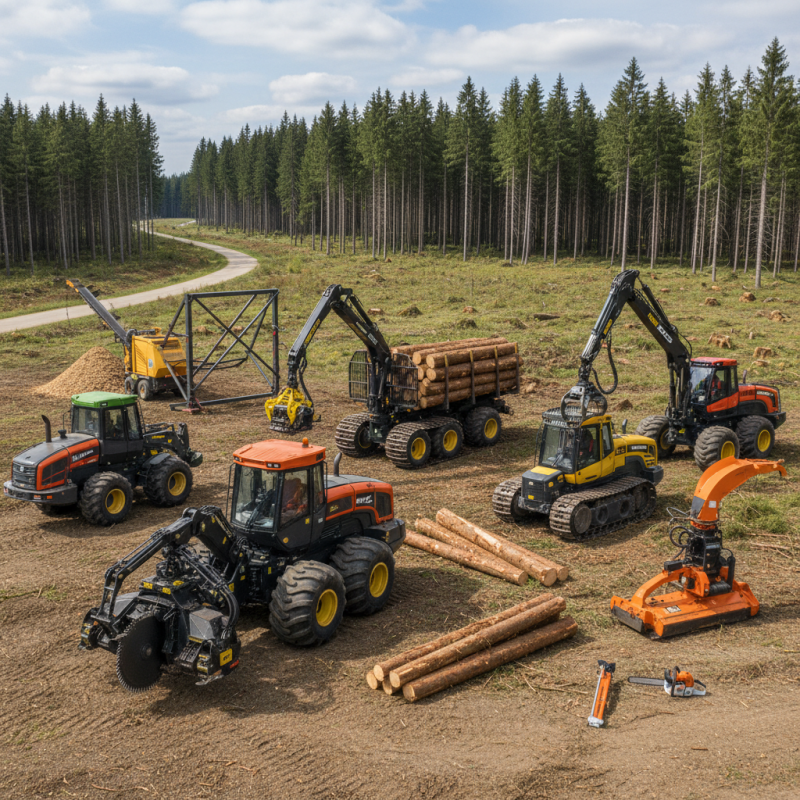
Essential Logging Equipment for Safe and Efficient Forest Operations
Effective logging operations require the right equipment. Safety must always be a priority. Workers need tools that ensure both efficiency and security. Essential logging equipment includes chainsaws, safety gear, and felling wedges. Each item plays a crucial role in operations.
When choosing equipment, consider usability and reliability. Seek tools designed for specific tasks. Equipment failures can lead to accidents. Regular maintenance cannot be overstated, as neglected tools often lead to inefficiency.
Tip: Inspect your chainsaw before each use. A sharp blade is safer and more efficient. Also, familiarize yourself with safety protocols. Knowing how to react in an emergency is vital. Training is an ongoing process.
The forest environment is unpredictable. Weather conditions can change rapidly. Equip yourself with gear suited for various environments. This prepares workers for unexpected situations. Always have a first-aid kit on hand. It’s a simple precaution that can save lives.
Understanding Different Types of Logging Equipment and Their Functions
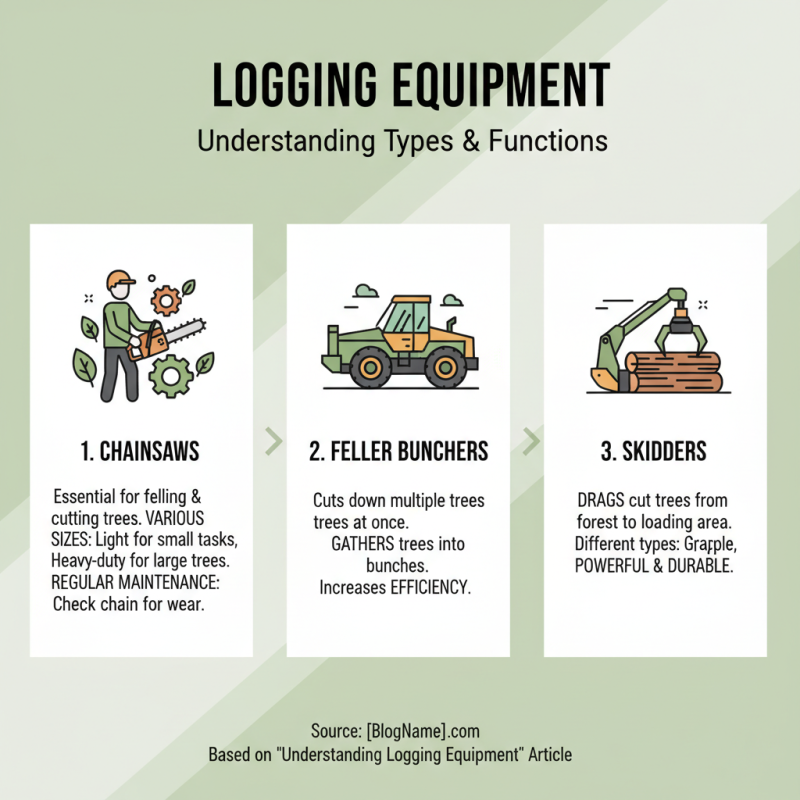
When diving into logging, understanding the specific types of equipment is crucial. Chainsaws are essential tools for cutting trees efficiently. They come in various sizes, suited for different tasks. A lighter chainsaw is ideal for smaller jobs, while a heavy-duty model tackles larger trees. Remember to check the chain frequently for wear.
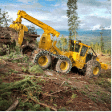
Skidders are another vital piece of equipment. They pull logs from the forest floor to a landing area. Choosing the right skidder based on terrain can greatly impact productivity. For steep areas, a specialized skidder is necessary. Do not underestimate the importance of having a skilled operator to handle these machines effectively.
Tips: Always conduct regular equipment checks. This will prevent unexpected failures. Additionally, invest in proper training for all operators. Well-trained staff improve safety and efficiency. Regular maintenance on tools like saws can extend their lifespan significantly.
Key Features to Look for in Logging Machinery and Tools
When selecting logging equipment, consider key features that enhance productivity. The efficiency of your operations hinges on the right tools. Look for machinery designed for durability, capable of withstanding harsh environments. Heavy-duty materials are crucial. Steel frames and high-quality engines are essential for long-term use.
In addition, think about the size and weight of the equipment. Lightweight tools can ease transport and maneuverability. These factors play a significant role in your daily operations.
Tips: Choose tools with ergonomic designs. This reduces strain during operation. Always check for maintenance requirements. Regular upkeep ensures optimal performance.
Opt for equipment that offers customizable features. Versatile machinery can adapt to various logging tasks. This adaptability can lead to increased efficiency over time. Remember, investing in reliable logs loading tools might cost more upfront, but it saves money on repairs and downtime.
Top 10 Logging Equipment You Need for Efficient Operations
Maintenance Tips for Prolonging the Life of Your Logging Equipment
Maintaining logging equipment is crucial for efficiency. Good practices enhance performance and extend the lifespan of your machines. Regular inspections are essential. Check hydraulic systems, belts, and chains frequently. Look for signs of wear and tear. Simple fixes can save you from costly repairs later.
Cleaning your equipment after each use makes a big difference. Dirt and debris can cause significant damage over time. Use air compressors to blow out dust from hard-to-reach areas. Keep sharp blades and teeth in top condition. Dull tools not only affect productivity but also increase fuel consumption.
Lubrication should not be overlooked. Regularly apply oil to moving parts. This reduces friction and wear. Pay attention to the manufacturer's recommendations for oil types and applications. A maintenance log is a useful tool. Track your inspections, repairs, and lubrications. Reflecting on these records helps identify patterns. You might notice equipment that frequently breaks down. This insight allows for more informed decisions about repairs or replacements.
Top 10 Logging Equipment You Need for Efficient Operations
| Equipment |
Purpose |
Maintenance Tips |
Expected Lifespan |
| Chainsaw |
Cutting trees and logs |
Keep the chain sharpened and lubricated |
5-7 years |
| Feller Buncher |
Felling multiple trees at once |
Regularly check hydraulic systems and tracks |
7-10 years |
| Skidder |
Moving logs from the forest |
Inspect tires and winch systems frequently |
6-8 years |
| Chipper |
Wood waste reduction |
Keep blades sharp and clean |
5-10 years |
| Log Loader |
Loading and unloading logs |
Check hydraulic oil and filters |
8-12 years |
| Wood Processor |
Processing logs into firewood |
Regularly sharpen and maintain cutting tools |
7-10 years |
| Stump Grinder |
Removing tree stumps |
Inspect blades and engine regularly |
5-7 years |
| Logging Truck |
Transport logs |
Check tires, brakes, and oil levels |
10-15 years |
| Mulcher |
Shredding brush and small trees |
Maintain belts and blades |
5-8 years |
Innovations in Logging Technology That Improve Operational Efficiency
Logging operations are rapidly evolving. Innovations in technology are enhancing efficiency in ways previously unimaginable. For instance, automated felling systems have shown to increase productivity by up to 30%. These systems reduce the physical strain on workers while improving precision in tree cutting.
Recent reports indicate that advanced monitoring equipment is revolutionizing data collection. Sensors now track forest health, ensuring sustainable practices and timely interventions. This technology has the potential to lower operational costs by 25%. However, integrating these innovations requires careful planning and investment.
Machinery equipped with GPS and remote control capabilities allows for more precise navigation in dense forests. This innovation contributes to minimizing environmental impact. Yet, companies must reflect on training staff to effectively use these tools. Skills gaps can hinder progress. The shift towards modern logging technology is promising, yet it comes with challenges that need addressing for smoother transitions.