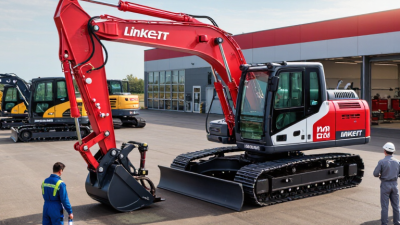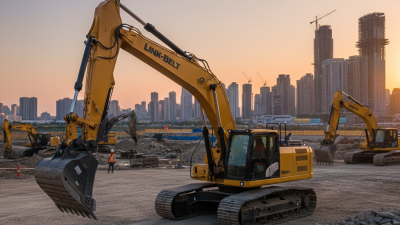
A link belt excavator dealer is more than a showroom with orange machines lined outside. It is a technical partner for contractors, fleet managers, municipalities, and excavation crews. The dealer connects customers with Link-Belt excavators, approved parts, maintenance support, operator guidance, and practical financing information. In the field, that support may begin with a machine inspection beside a muddy trench. It may continue through hydraulic troubleshooting, scheduled servicing, and attachment selection.
Eric Sauvage, president and CEO of Link-Belt Excavator Company, has emphasized the importance of customer-focused equipment support: “Our customers expect productivity, reliability, and value.” This statement reflects the dealer’s real responsibility. A reliable dealer should understand soil conditions, lifting requirements, transportation limits, fuel use, and local service coverage. It should also explain machine capabilities honestly, including limitations that may affect productivity.
Details matter. A strong dealer checks hydraulic response, undercarriage wear, fluid leaks, cab condition, and service records before recommending used equipment. It asks how many hours the excavator will work each month. It considers whether a compact model, crawler excavator, or specialized attachment fits the job.
Not every recommendation will be perfect. Conditions change. Budgets tighten. Even experienced buyers can overlook long-term maintenance costs. That uncertainty deserves attention, not sales pressure. A trustworthy link belt excavator dealer provides clear specifications, documented service information, and realistic ownership expectations. This article explores what these dealers do, how their services differ, and why professional support can influence an excavator’s performance long after delivery.
What Is a Link-Belt Excavator Dealer?
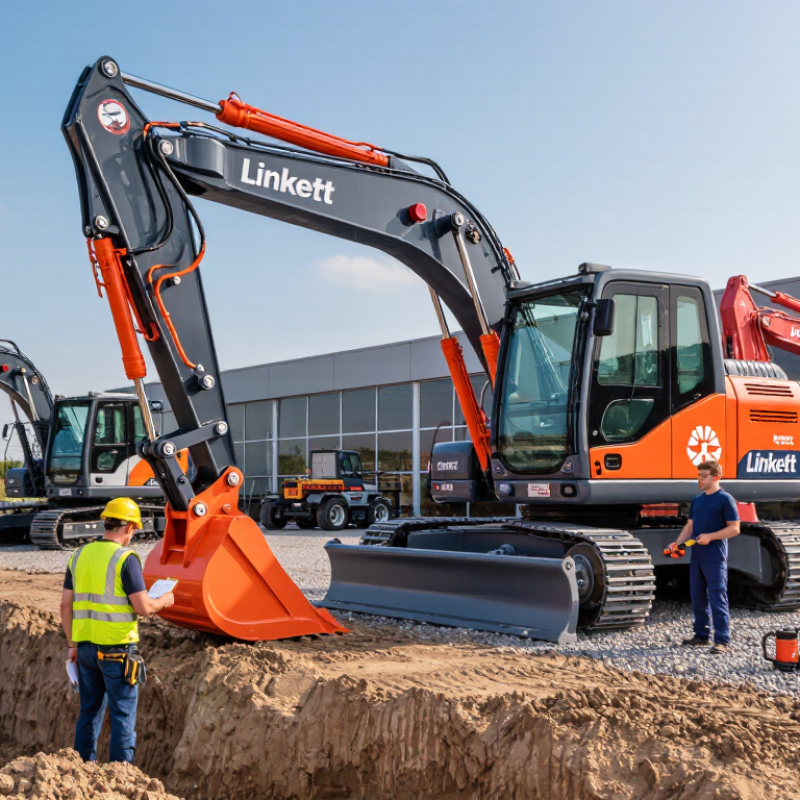
Definition and Role of a Link-Belt Excavator Dealer
A link-belt excavator dealer is more than a sales outlet. It connects contractors with suitable excavation equipment, technical guidance, parts, and service support. Dealers assess soil conditions, lifting needs, attachment use, transport limits, and expected operating hours before recommending a machine. That practical evaluation matters on crowded sites, where an oversized excavator can waste fuel and space.
The American Rental Association’s 2024 forecast valued United States equipment rental revenue at about $78.7 billion. This figure shows strong demand for flexible access to construction machinery. A dealer can support that demand through rentals, purchases, financing, and inspected used equipment. Service technicians also check hydraulic performance, undercarriage wear, and electronic fault codes. Small details matter.
According to the Associated General Contractors’ 2024 workforce findings, 94% of construction firms reported difficulty filling craft positions. Dealers increasingly respond with operator training, maintenance instruction, and remote diagnostic support. These services can reduce avoidable downtime, although results vary between sites. A dealer’s advice is not always perfect. Soil data may be incomplete, and production estimates can be optimistic. Buyers should request service records, operating-cost assumptions, warranty terms, and parts availability before signing. Reliable dealers explain limitations clearly, instead of promising effortless performance.
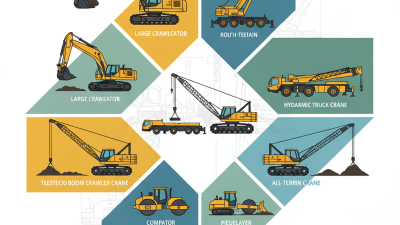
A Link-Belt excavator dealer is an authorized equipment distributor that connects customers with excavators and supports them throughout the machine’s working life. The chart below groups the main responsibilities commonly performed by an excavator dealer.
Dealers typically support more than the initial sale. Their role can include equipment selection, financing coordination, delivery, replacement parts, maintenance, operator guidance, and ongoing technical support.
An excavator dealer is more than a sales office. It connects contractors with machines, attachments, financing, and technical support. For sales, the dealer studies ground conditions, digging depth, cycle targets, and transport limits. A compact excavator may suit urban utility work. A larger crawler model may handle mass excavation more efficiently. The recommendation should fit the job, not merely the available inventory.
Rental support is equally practical. The American Rental Association forecast U.S. equipment rental revenue at about $78.7 billion in 2024, showing strong demand for flexible access. Dealers help customers avoid large upfront costs and test equipment before purchasing. They arrange delivery, explain control settings, and check hydraulic lines, tracks, filters, and safety systems. Some also provide telematics data, helping managers monitor hours, fuel use, and service intervals. Small details matter.
Labor shortages make this guidance valuable. The Associated General Contractors’ 2024 workforce survey reported widespread difficulty filling construction positions, especially skilled craft roles. A dealer can reduce learning time through operator demonstrations and maintenance training. Still, dealer advice is not perfect. A rushed assessment may overlook soil changes, attachment weight, or difficult site access. Customers should request operating-cost estimates, inspection records, and realistic rental terms. Good support includes honest limits, not only confident promises.
| Support Area | What the Dealer Provides | Typical Equipment or Information Covered | Value for Buyers | Value for Renters | Common Outcome |
|---|---|---|---|---|---|
| Application Assessment | Reviews the jobsite, operating conditions, material type, access limits, and production requirements before recommending equipment. | Excavator size, operating weight, digging depth, lift capacity, attachment compatibility, and transportation limits. | Helps match machine capability to the project and reduces the risk of selecting unsuitable equipment. | Supports short-term equipment selection when project conditions or workload may change. | More appropriate machine configuration and clearer project planning. |
| New Equipment Sales | Coordinates quotations, machine specifications, optional equipment, delivery arrangements, and purchase documentation. | Base excavator, hydraulic attachments, buckets, couplers, counterweight options, and safety equipment. | Provides a single point of contact for configuring and acquiring the excavator. | Not usually applicable unless the renter is evaluating a future purchase. | A documented purchase proposal based on the intended application. |
| Used Equipment Sales | Offers pre-owned machines and provides available information about condition, operating hours, maintenance, and inspection results. | Service records, hydraulic condition, undercarriage wear, engine performance, structural condition, and attachment status. | Improves visibility into the machine’s condition and ownership costs before purchase. | May provide a lower-cost option for occasional or budget-sensitive work. | A used-equipment decision supported by inspection and maintenance information. |
| Rental Coordination | Arranges short-term or long-term rental agreements based on project duration, machine availability, and delivery requirements. | Rental period, operating-hour terms, delivery location, fuel responsibilities, damage policies, and return conditions. | Can help evaluate the machine in practical working conditions before a purchase. | Provides access to excavating capacity without the long-term ownership commitment. | A rental plan with defined costs, responsibilities, and scheduling requirements. |
| Attachment Selection | Checks whether attachments are compatible with the excavator’s hydraulic flow, pressure, weight, and connection system. | Digging buckets, grading buckets, breakers, grapples, augers, thumbs, and quick couplers. | Helps improve machine versatility and avoids compatibility problems. | Allows the renter to request only the attachments needed for the specific job. | A working combination of excavator, attachment, and hydraulic configuration. |
| Inspection and Demonstration | Provides equipment walkarounds, operating demonstrations, condition checks, and basic control familiarization. | Controls, safety features, service points, operating modes, attachment connection, and visible wear areas. | Supports a more informed purchase decision and helps identify questions before delivery. | Reduces the learning curve and helps operators understand the rented machine. | Better operator familiarity and fewer avoidable setup errors. |
| Financing and Payment Options | May help coordinate commercial financing, leasing, installment structures, or approved payment arrangements. | Purchase price, deposit, repayment period, interest terms, taxes, insurance, and ownership conditions. | Helps compare the cash-flow impact of purchasing versus leasing. | Rental charges can be evaluated against project revenue and expected utilization. | A clearer comparison of acquisition and operating costs. |
| Delivery and Transportation | Coordinates machine delivery, loading requirements, transport permits where applicable, and jobsite access details. | Machine dimensions, transport weight, trailer requirements, loading points, delivery windows, and site restrictions. | Helps ensure the excavator can be transported and positioned safely. | Reduces delays when the rental machine must arrive at a scheduled project location. | Planned delivery with fewer logistical surprises. |
| Parts and Maintenance Support | Supplies maintenance parts and may assist with scheduled service, troubleshooting, and repair coordination. | Filters, lubricants, fluids, hoses, wear components, batteries, pins, bushings, and service intervals. | Supports machine uptime and helps control long-term maintenance costs. | Provides a contact for reporting mechanical issues during the rental period. | Faster maintenance decisions and better equipment availability. |
| Operator and Safety Guidance | Explains safe operating practices, daily inspections, attachment procedures, and jobsite responsibilities. | Pre-start checks, rated capacity limits, swing clearance, stability, lifting practices, and shutdown procedures. | Promotes safer operation and helps protect the equipment investment. | Helps operators use the rental machine within its rated capabilities. | Improved equipment handling and reduced operational risk. |
| Warranty and After-Sales Assistance | Explains applicable warranty coverage, service procedures, exclusions, and repair documentation requirements. | Powertrain, hydraulic systems, structural components, scheduled maintenance obligations, and claim procedures. | Provides a defined process for addressing eligible equipment issues. | Clarifies who should be contacted when a rental machine requires attention. | More transparent expectations after delivery or rental commencement. |
| Fleet Replacement Planning | Reviews utilization, repair history, operating costs, and project demand to help determine when equipment should be replaced. | Annual operating hours, downtime, maintenance expenditure, resale considerations, and changing job requirements. | Supports a structured decision about keeping, upgrading, or selling equipment. | Helps businesses decide whether repeated rentals justify acquiring a machine. | Better long-term fleet and capital planning. |
| End-of-Rental or Trade-In Support | Coordinates return inspections, condition reports, trade-in evaluations, and next-equipment recommendations. | Operating hours, damage assessment, cleanliness, attachment condition, service records, and outstanding charges. | Can support a future trade-in or replacement evaluation. | Provides a clear process for returning the machine and resolving condition questions. | Documented equipment handover and more predictable closing costs. |
What Is a Link-Belt Excavator Dealer?
A link-belt excavator dealer is more than a sales counter. It connects contractors with machines, parts, technicians, and operating support. Experienced dealers inspect excavators before delivery, checking hydraulic pressure, undercarriage wear, fluid leaks, and diagnostic codes. They also match machine size to jobsite access, soil conditions, and lifting requirements. That practical judgment matters. A low purchase price can become expensive when the wrong excavator loses hours every week.
Services Offered by Link-Belt Excavator Dealers
Maintenance is usually the dealer’s most valuable service. Technicians schedule oil analysis, filter replacement, hydraulic testing, and preventive inspections. Many dealers provide mobile repairs, emergency parts delivery, operator training, and digital service records. Some also offer rentals, trade-ins, financing support, and used-equipment evaluations. These services reduce downtime, but results depend on response speed and technician experience.
The U.S. Bureau of Labor Statistics projects 4% employment growth for mobile heavy equipment mechanics from 2023 to 2033. That figure highlights the continuing need for qualified field technicians. A 2024 Equipment Leasing & Finance Foundation outlook also reported continued demand for construction equipment investment, despite uneven economic conditions. Dealers should explain repair estimates clearly and document every adjustment. The handoff is not always perfect. A rushed inspection can miss a worn swing bearing or a slow hydraulic leak. Contractors should ask for service histories, inspection reports, warranty limits, and realistic delivery dates before signing.
An excavator dealer supports more than machine sales. Strong dealers act as working partners for contractors, fleet owners, and site supervisors. They identify the correct parts by model, serial number, and operating conditions. This reduces ordering mistakes, especially when two components look nearly identical. A reliable parts desk should confirm dimensions, material specifications, and delivery times. It should also explain when replacement is urgent and when repair remains practical. That judgment comes from field experience, not a catalog alone.
Maintenance support should match the excavator’s real workload. A dealer technician may inspect hydraulic hoses, track tension, filters, pins, bushings, and engine fluids. They can record pressure readings and compare them with service limits. Small details matter. A loose fitting can leave a dark oil trail beneath the machine. A neglected filter can increase heat and fuel use. Scheduled inspections are useful, but they are not perfect. Dust, heavy digging, and poor access can change service intervals. Good advice admits that uncertainty.
Technical support becomes valuable when a fault appears on site. Clear troubleshooting steps can help operators check warning codes, fluid levels, electrical connections, and unusual sounds safely. Dealers may provide manuals, service records, remote guidance, or field visits. However, remote advice has limits. A photograph may hide internal wear. Skilled support asks precise questions before recommending costly work. It should document the diagnosis and explain the risks, labor, and parts involved. Honest communication builds trust, even when the answer is inconvenient.
Choosing a reliable Link-Belt excavator dealer requires more than comparing advertised prices. A dependable dealer should explain machine hours, maintenance history, previous repairs, and operating conditions. Ask for service records, not verbal promises. Check the hydraulic lines, undercarriage, swing bearing, and engine area for fresh leaks or rushed cleaning. Small details matter.
Visit the workshop if possible. Are diagnostic tools available? Do technicians document inspections clearly? A professional dealer should provide realistic answers about parts availability, repair times, warranty coverage, and transport costs. Request references from contractors who use similar excavators in comparable conditions. Their experience may reveal delays that brochures hide.
I once trusted a clean-looking machine too quickly. The neglected pins were expensive to replace. That mistake changed my inspection routine.
I now compare cold-start behavior, hydraulic response, and fault-code reports before discussing price. A short demonstration is useful, but it is not enough. Ask to inspect the excavator after operation, when leaks and overheating may appear. Reliable dealers will not pressure you to decide immediately. They allow an independent mechanic to inspect the machine. That extra cost can prevent a much larger loss. Be cautious, though: even good dealers can overlook hidden wear during busy seasons. Confirm every promise in writing, including delivery condition and included service.