How to Choose the Right Link Belt Forestry Equipment?
Choosing the right link belt forestry equipment begins with understanding the worksite, not the brand name. A machine that performs well on level ground may struggle on wet slopes, narrow access roads, or uneven logging trails. Operators should examine tree size, soil conditions, transport limits, attachment needs, and daily production targets before comparing models. Small details matter.
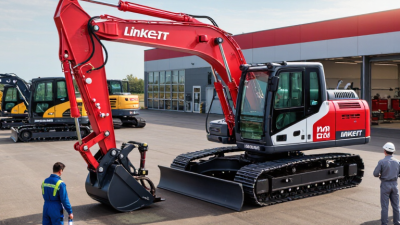
Field experience often reveals what brochures miss. Hydraulic response, undercarriage stability, cab visibility, and service access can affect every working hour. During inspections, check for oil leaks, worn pins, damaged hoses, unusual track movement, and neglected maintenance records. A clean machine is not always a reliable machine. Sometimes, appearance hides expensive problems.
This guide explains how to evaluate link belt forestry equipment with practical and professional criteria. It considers lifting capacity, reach, fuel use, operator comfort, attachment compatibility, and long-term support. Buyers should also confirm that each machine meets applicable workplace, environmental, transport, and equipment safety requirements in their region. Manufacturer documentation and qualified dealer advice can provide useful verification, but neither should replace an independent inspection. That is where many purchasing decisions become uncertain. A capable technician can test hydraulic pressure, inspect structural welds, and identify warning signs before money changes hands. Cost matters, yet downtime can cost more. The best choice balances performance, safety, serviceability, and actual site demands. It may not be the newest model. It should be the one that works predictably, safely, and efficiently when conditions become difficult.
Understanding Link Belt Forestry Equipment and Its Main Applications
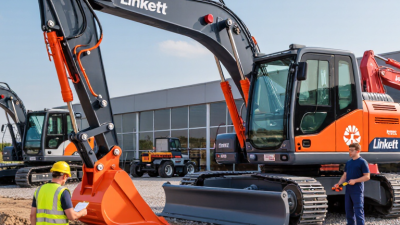
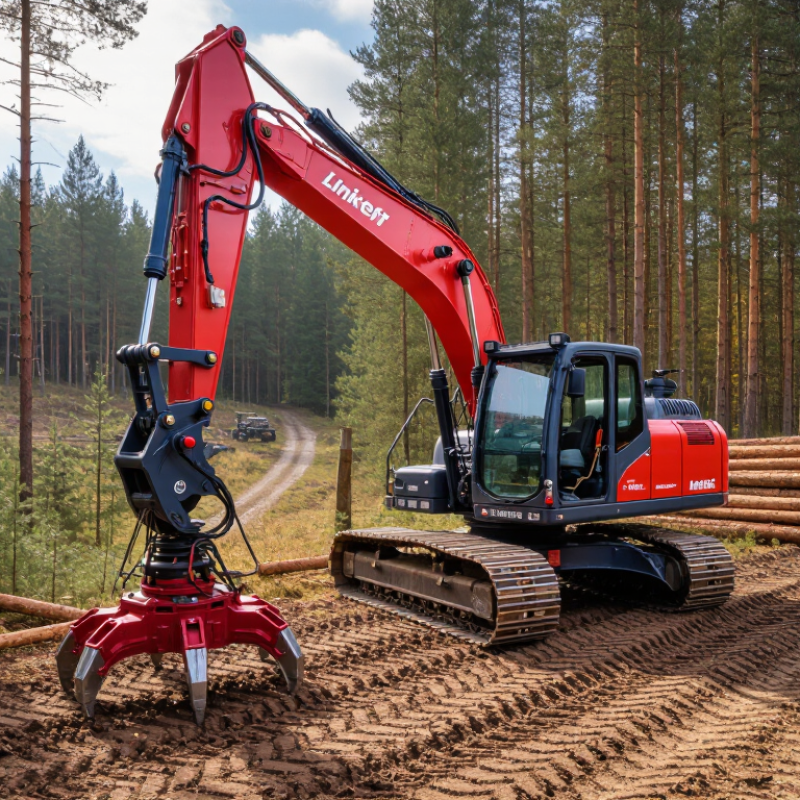
Choosing the right link-belt forestry equipment begins with understanding its working role. These machines usually combine a tracked undercarriage, hydraulic power, and a long-reach working arm. Depending on the attachment, one unit can clear brush, move logs, build access roads, or remove stumps. That flexibility matters on mixed terrain. A grapple suits log handling. A mulching head suits dense vegetation. A bucket remains useful for drainage and soil shaping. The attachment often matters more than the machine name. Think about that.
Forestry work also demands stability. Wide tracks reduce ground pressure on soft soil, while a strong undercarriage handles rocks and hidden roots. Reach should match the site, not simply appear impressive on a brochure. Excessive reach may reduce lifting strength and increase swing risk. Cab guarding, visibility, emergency controls, and documented maintenance deserve close attention. Ask for service records. Check hydraulic hoses, pins, rollers, and attachment couplers before purchase. Small wear can become expensive downtime. In selective clearing, operators need precise control around standing trees. Site preparation may require high hydraulic flow for mulchers, rakes, and heavy buckets. Log loading needs stable lifting and smooth grapple movement. Road construction favors durable tracks and reliable cooling during long shifts. Wet sites expose weak choices quickly. Mud enters every weakness.
A dependable selection process compares daily workload, soil capacity, transport limits, fuel use, and local service access. Operator feedback matters because comfort affects accuracy and fatigue. A powerful machine can still be unsuitable when parts arrive slowly. I would allow extra capacity for unfamiliar attachments. Real projects rarely stay perfectly planned. Test equipment under representative conditions, record cycle times, and inspect it afterward. That evidence can challenge optimistic specifications.
Assessing Job Requirements, Terrain, and Operating Conditions
Choosing the right link-belt forestry equipment starts with the job, not the machine. Define the work clearly. Is the equipment clearing brush, loading logs, building access roads, or reaching steep slopes? Each task demands different lifting capacity, hydraulic flow, attachment control, and working reach. Measure typical loads, not only the largest one. Oversizing equipment can increase fuel use and ground damage.
Terrain changes the decision quickly. On soft forest floors, wide tracks can reduce ground pressure and improve stability. On rocky inclines, durable undercarriage components and precise travel control matter more. Check slope angles, drainage, clearance, and turning space before selecting equipment. A machine that performs well in an open yard may struggle between wet trees. It happens often.
Operating conditions deserve equal attention. Review winter temperatures, dust levels, daily working hours, and transport limits. Cab visibility, lighting, access steps, and operator comfort affect safety and productivity over long shifts. Confirm that attachments match the hydraulic system and that replacement parts are available through reliable channels. Follow the equipment manual and use current load charts.
Do not rely on a single site visit. Conditions can change after rain. A careful trial may reveal poor balance, limited reach, or excessive soil disturbance. Record these findings, even when they challenge the original plan. That small review can prevent an expensive mismatch.
Comparing Machine Types, Size, Capacity, and Performance
Choosing the right forestry machine starts with the worksite, not the brochure. A tracked excavator suits road building, ditching, and controlled lifting on uneven ground. A harvester needs stable hydraulics, accurate head control, and enough reach for the stand. Forwarders move cut timber efficiently, while skidders handle extraction across rough, open routes. Match the machine.
Operating weight affects stability, transport, and ground pressure. A larger machine may lift heavier logs, but it can damage soft soil. Check boom reach, tail swing, attachment weight, and hydraulic flow before choosing. Capacity should reflect real loads, not ideal test conditions. Wet hardwood often weighs more than expected. Measure twice.
Performance depends on more than horsepower. Compare cycle time, fuel use, cooling capacity, and control response during long shifts. Strong auxiliary hydraulics can improve productivity with mulchers, grapples, or processing heads. However, excessive power may increase fuel costs without improving output. In field assessments, small delays often reveal more than peak speed. Operators notice poor visibility, uncomfortable controls, and difficult maintenance quickly. Access to filters, grease points, and daily inspection areas supports safer, more reliable work. I would also test the machine on the actual slope, because paper specifications rarely show every weakness.
How to Choose the Right Link Belt Forestry Equipment? - Comparing Machine Types, Size, Capacity, and Performance
| Machine Type |
Primary Application |
Typical Operating Weight |
Typical Engine Power |
Working Capacity |
Typical Reach |
Typical Productivity |
Best-Suited Conditions |
| Tracked Forestry Excavator |
Road building, site preparation, ditching, loading, and general forestry work |
20–35 tonnes |
120–220 kW |
0.8–1.6 m³ bucket or grapple volume |
9–12 m |
40–100 tonnes/day, depending on attachment and site |
Uneven ground, slopes, soft soil, and operations requiring multiple attachments |
| Tracked Feller Buncher |
Felling and gathering trees in clear-cutting or plantation harvesting |
25–40 tonnes |
170–250 kW |
Tree diameter commonly up to 55–75 cm |
7–10 m cutting and placement reach |
100–250 trees/hour in suitable stands |
Large-diameter trees, relatively open stands, and high-volume felling |
| Tracked Harvester |
Felling, delimbing, measuring, and bucking trees in one operating cycle |
20–30 tonnes |
150–230 kW |
Maximum tree diameter commonly 55–75 cm |
8–11 m processing reach |
8–20 m³/hour, depending on tree size and terrain |
Managed forests, uniform stands, and operations needing accurate log sizing |
| Forwarder |
Collecting processed logs and transporting them from the cutting area to a roadside landing |
15–30 tonnes |
120–220 kW |
10–20 tonnes payload |
6–10 m crane reach |
60–150 m³ per 8-hour shift |
Prepared extraction trails, low-impact harvesting, and moderate haul distances |
| Log Loader |
Sorting, stacking, loading trucks, and handling logs at landings or mills |
20–35 tonnes |
140–230 kW |
0.8–1.8 m³ grapple volume |
10–15 m loading reach |
100–250 tonnes per 8-hour shift |
Stable landings, roadside storage areas, and high-volume truck loading |
| Wheel Harvester or Processor |
High-speed processing on firm ground and established forest roads |
18–28 tonnes |
130–220 kW |
Maximum tree diameter commonly 45–65 cm |
8–11 m processing reach |
10–25 m³/hour in favorable conditions |
Firm, relatively level terrain where travel speed and mobility are priorities |
Selection guidance: Choose the machine according to tree diameter, stand density, ground pressure, slope, extraction distance, required daily output, and available attachments. The figures shown are representative industry ranges; actual performance varies with operator skill, tree species, terrain, weather, attachment configuration, maintenance condition, and work-cycle length.
Checking Safety Features, Attachments, Maintenance, and Support
Choosing link belt forestry equipment starts with the operator’s daily risks, not the machine’s appearance. During field inspections, I look for rollover protection, guarded controls, reliable emergency stops, and clear sightlines. A secure seat belt matters when uneven ground suddenly shifts the machine. Check access steps too. Muddy boots can make small design flaws dangerous. Test alarms and lights before purchase. Ask whether safety systems remain functional after attachment changes, because balance and visibility may change quickly.
Attachments should match soil conditions, tree size, and planned tasks. A hydraulic thumb can improve log handling, while a mulcher requires careful flow and cooling checks. Confirm rated capacity, coupler fit, hose routing, and auxiliary controls. Do not automatically choose the largest attachment. Excess weight can reduce stability and accelerate wear. I have seen buyers focus on cutting power, then struggle with transport width and narrow access routes. That mistake is expensive. Request demonstrations with the attachments you will actually use.
Maintenance must remain practical in the forest. Inspect grease points, filters, belts, fluid levels, and undercarriage access. Daily checks can prevent minor leaks from causing long stoppages. Keep service intervals and fluid specifications in a written log. Support quality also matters. Ask about technician response times, parts availability, training, and remote troubleshooting. A nearby service network may be more valuable than a lower purchase price. Still, no support plan replaces operator discipline. I sometimes underestimate how quickly dust builds up during dry work. That reminder belongs in every maintenance schedule.