What Is a Link Belt Dealer Near Me and How Do I Choose One?

Finding a reliable “link belt dealer near me” is more than choosing the closest map result. A qualified dealer should connect you with genuine Link-Belt equipment, trained technicians, and dependable parts support. The Association of Equipment Manufacturers’ industry outlooks repeatedly emphasize dealer networks as vital to equipment uptime and customer service. That practical point is easy to overlook.

Distance still matters. So does response time.

The U.S. Bureau of Labor Statistics identifies inspection, diagnostics, and preventive maintenance as core skills for heavy vehicle and mobile equipment service technicians. Those skills should guide your dealer evaluation. Ask whether technicians receive manufacturer training. Check service-bay capacity, emergency repair coverage, and typical parts lead times. A dealer that explains hydraulic testing clearly usually inspires more confidence than one offering only a low purchase price. Still, a polished website proves very little. I may be too cautious here, but references from contractors often reveal the real service experience.

EquipmentWatch market reports also track used-equipment values, auction activity, and ownership costs. These indicators can help you compare a new Link-Belt excavator with a used machine. Request maintenance records, inspection notes, warranty terms, and resale guidance. Look closely at the undercarriage, hydraulic lines, and attachment pins. Small wear marks can signal expensive future work.

Your search should end with evidence, not assumptions. Compare two or three dealers. Confirm their location, inventory, technician availability, and customer references. The best choice may not be nearest. It should be the dealer that protects productivity after the sale.
What Is a Link Belt Dealer Near Me and How Do I Choose One?

What a Link-Belt Dealer Is and What Services They Provide

A link-belt dealer is a specialized heavy-equipment provider supporting machines that use linked boom, chain, or belt systems. Its work extends beyond selling equipment. A qualified dealer can inspect used units, arrange parts, provide hydraulic diagnostics, and schedule field repairs. Experienced technicians should explain wear patterns, service intervals, and likely repair costs in plain language. That matters when a machine works beside a trench, loading area, or congested jobsite.

Dealer capability can affect uptime significantly. The U.S. Bureau of Labor Statistics projects 4% employment growth for heavy vehicle and mobile equipment service technicians from 2023 to 2033. This suggests continued demand for trained maintenance professionals. The Equipment Leasing & Finance Foundation also reported continued business investment in equipment during its 2024 outlook. Ask whether technicians receive current training and carry diagnostic tools for your machine type. Check response times, parts availability, warranty procedures, and after-hours support. Request two recent customer references.

A strong dealer should provide a written inspection report, including hydraulic pressure, undercarriage wear, fluid leaks, and structural cracks. Photos help. So do service records. Do not accept vague promises. A clean yard can still hide poor support. I would also compare travel charges and emergency labor rates before signing anything. The closest dealer may not be the best choice. A farther provider with stocked parts and dependable field service could reduce costly downtime. Mistakes happen, even with experienced teams, so choose a dealer that documents problems and admits uncertainty.

How to Locate Authorized Link-Belt Dealers Near Your Area

Finding an authorized dealer near you begins with the official dealer locator on the equipment manufacturer’s website. Enter your postcode, project location, and required machine type. Then verify the dealer’s authorization directly. A current certificate, trained technicians, and genuine parts access matter more than a polished website.

The market is substantial. Grand View Research valued the global construction equipment market at approximately USD 208.3 billion in 2023. Off-Highway Research also estimated global construction equipment sales at about 1.1 million units that year. These figures suggest strong demand, but local support still varies widely. Ask about technician response times, mobile repair coverage, parts inventory, and service contracts. Request two nearby customer references. A dealer should explain warranty limits clearly, not hide them inside dense paperwork.

Tips: Compare at least three authorized dealers. Check their service distance during a real site visit. Ask for written delivery and repair timelines. Search the company’s legal registration and review recent customer feedback. A low purchase price may become expensive after one missed repair window. No checklist is perfect. Your project schedule, terrain, and operator experience should influence the final choice.

What Is a Link Belt Dealer Near Me and How Do I Choose One? - How to Locate Authorized Link-Belt Dealers Near Your Area

Evaluation Dimension What to Check Reliable Evidence Why It Matters
Authorization Status Confirm that the dealer is currently authorized to sell and support the equipment. A listing in the manufacturer’s official dealer locator or written confirmation from the manufacturer. Authorized dealers generally have access to approved parts, technical information, and service procedures.
Distance and Coverage Area Compare the dealer’s location with the jobsite and ask whether mobile service is available. Published service territory, travel policy, and estimated response radius. A nearby service team can reduce travel time, transportation costs, and equipment downtime.
Equipment Match Check support for the exact machine type, model, operating weight, attachment, and configuration. Model-specific service capability and technicians trained for the required equipment class. Not every dealer supports every model or attachment, even within the same equipment category.
Parts Availability Ask about common wear parts, emergency orders, backorders, and delivery options. Parts inventory information, expected lead times, and expedited shipping arrangements. Parts availability directly affects repair scheduling and the length of an interruption.
Service Capability Review diagnostic, preventive maintenance, hydraulic, electrical, and undercarriage services. Service department details, technician qualifications, and available field-service vehicles. A broader service capability may reduce the need to coordinate multiple repair providers.
Response Time Determine normal and emergency response times during working hours and after hours. Written service-level expectations, dispatch procedure, and emergency contact process. Clear response expectations help with project planning and downtime control.
Warranty and Claims Support Ask whether the dealer can inspect, document, and submit eligible warranty claims. Written warranty procedures, claim requirements, and exclusions. Proper documentation can prevent delays when a repair may qualify for warranty coverage.
Rental, Purchase, or Used Equipment Compare new, used, rental, and trade-in options based on project duration and budget. Itemized quotations, inspection reports, rental terms, and maintenance records. The right acquisition method can lower ownership costs and improve equipment flexibility.
Pricing Transparency Review labor rates, travel fees, diagnostic charges, parts pricing, taxes, and delivery costs. A written estimate with separate line items and clearly stated payment terms. Transparent pricing makes different dealer proposals easier to compare.
Safety and Compliance Verify that inspections, repairs, and operator support follow applicable workplace and transport requirements. Inspection records, maintenance documentation, and safety training information. Proper maintenance and documentation support safer operation and regulatory compliance.
Customer Support and Communication Assess how quickly the dealer answers questions and explains estimates, scheduling, and repairs. Clear contact channels, service updates, references, and consistent written communication. Responsive communication reduces misunderstandings and helps keep work on schedule.
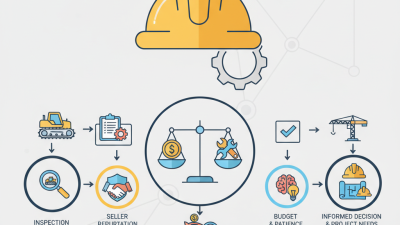
Quick selection method: Start with the official dealer locator, confirm authorization, shortlist dealers within practical travel distance, request written estimates, and compare parts access, service response, warranty support, and total cost.

Which Equipment, Parts, and Support a Dealer Should Offer

What Is a Link Belt Dealer Near Me and How Do I Choose One?

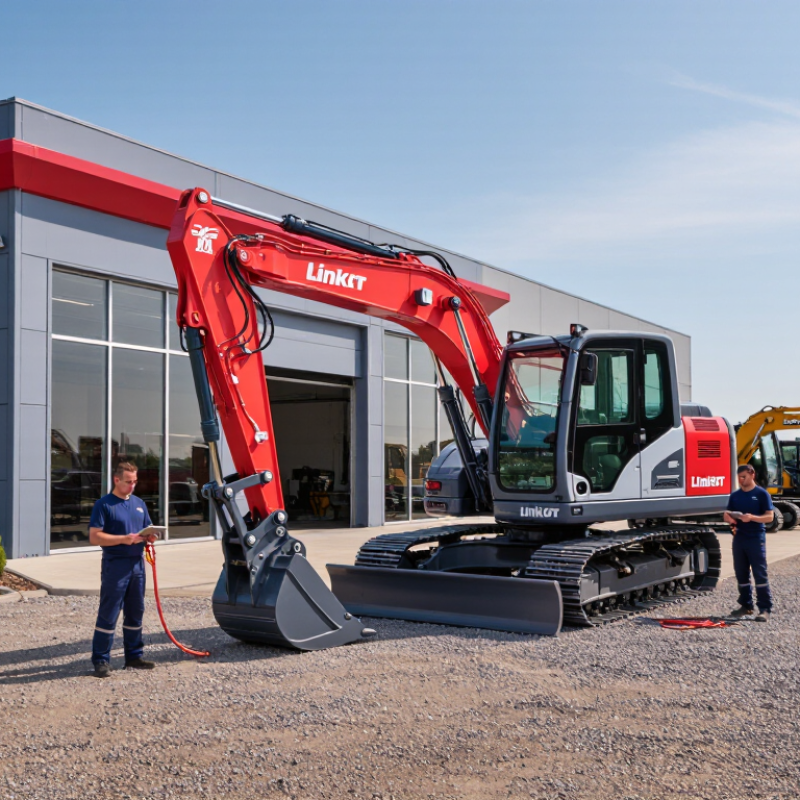
A nearby Link Belt dealer should offer more than machines parked on a sales lot. Look for excavators, cranes, loaders, and attachments suited to your soil, lifting plan, and jobsite access. Ask for operating weights, reach charts, fuel estimates, and verified service records. A useful dealer will arrange a working demonstration, not only a polished walk-around.

Parts availability matters just as much. The dealer should stock filters, hydraulic hoses, undercarriage components, and common seals locally. Ask about emergency delivery, technician response times, warranty handling, and after-hours support. The American Rental Association forecast equipment rental revenue at about $78.7 billion in 2024, showing how strongly contractors value flexible access and reduced ownership risk. Rental options can help you test a machine before committing.

Technician quality is equally important. The Associated General Contractors’ 2024 workforce survey reported that 94% of firms struggled to fill salaried or craft positions. A dealer with trained, available technicians may protect your schedule when a warning light appears at 6 a.m. Request maintenance intervals, inspection reports, and sample repair invoices. Telematics support is useful, but it is not magic. Data still needs a person who understands hydraulics, soil conditions, and operator habits.

I would not choose the closest dealer automatically. A cheaper quote can become expensive after one missed delivery. Speak with two nearby service departments. Judge their answers, not their showroom.

How to Choose a Link Belt Dealer Near Me

Use this practical 100-point framework to compare local dealers based on the equipment, parts, and support they provide.

Equipment availability receives the highest weighting because the dealer should match the machine to your lifting, digging, or material-handling requirements. Parts availability and service response are also critical for reducing downtime, while warranty assistance and financing support complete the evaluation.

How to Compare Dealer Experience, Pricing, and Customer Service

A link-belt equipment dealer near you can provide machines, parts, inspections, and repair support. The right dealer should do more than offer a low purchase price. Dealer experience matters when equipment works on uneven ground, in tight spaces, or under heavy daily loads.

Ask how long the dealer has supported similar equipment. Request service records, technician qualifications, and references from local contractors. An experienced team should explain operating limits clearly. They should also identify common maintenance costs before you sign anything. Specific answers build trust. Vague promises do not.

Compare written quotes carefully. Check the machine price, delivery charge, inspection fee, warranty terms, and expected parts costs. A cheaper quote may exclude important support. That is easy to miss. Ask whether technicians can visit your site and how quickly they respond to breakdowns. Call the service number before buying. Note the response time and the quality of the answers. Customer service becomes most valuable when a machine stops during a busy project. I used to focus heavily on the initial price, but that approach can overlook downtime. I still think price matters. It simply needs context. Look for a dealer that documents recommendations, admits limitations, and explains maintenance in plain English. Their willingness to discuss problems may reveal more than a polished sales presentation.

What to Check Before Choosing the Right Link-Belt Dealer

Finding a link-belt dealer near me is easy; finding a dependable one takes closer inspection. Start with service coverage, not distance alone. Ask whether technicians can reach your jobsite quickly and provide written response times. A dealer with nearby branches may still outsource repairs.

Check technician training, parts availability, and inspection procedures. The U.S. Bureau of Labor Statistics reported a median annual wage of $60,640 for mobile heavy equipment mechanics in May 2023. Skilled labor is valuable, so unusually cheap service deserves questions. Ask how many qualified technicians are available, not just how many service trucks are parked outside. Request maintenance records, inspection forms, and a clear estimate separating labor, parts, travel, and downtime.

Review the dealer’s equipment history with similar excavators, cranes, or material handlers. Speak with two local contractors, preferably without the dealer present. Ask about first-visit repair rates, repeat failures, and after-hours support. Also check parts lead times for filters, hydraulic components, and undercarriage items. A 2024 Association of Equipment Manufacturers outlook emphasized continued pressure from labor shortages and supply-chain conditions across equipment markets. That affects availability and repair timing. I would not rely only on polished reviews; I once overlooked response time because the price looked attractive. The delay cost more than the original savings. Get every promise in writing.