Top Link Belt Logging Equipment for Global Buyers?

Choosing top link belt logging equipment requires more than comparing horsepower or purchase price. The decision must fit terrain, timber size, road access, climate, and service availability. FAO’s Global Forest Resources Assessment 2020 reports approximately 4.06 billion hectares of forest worldwide. That scale creates varied operating demands, from steep mountain slopes to wet lowland soils.

John Sessions, a respected forest engineering researcher at Oregon State University, has emphasized a practical principle: “The best harvesting system is the one that matches the site.” That advice remains highly relevant. A powerful Link-Belt excavator may perform impressively on a firm landing, yet struggle where ground pressure, transport limits, or hydraulic reach become critical. Buyers should inspect lift charts, swing torque, undercarriage design, fuel use, attachment compatibility, operator visibility, and local parts support. Small details matter. A reinforced guarding package can protect hydraulic lines near dense slash. A responsive dealer can reduce costly downtime during peak harvesting periods.

Industry reports from FAO and UNECE continue to show how timber markets respond to construction demand, energy use, trade conditions, and climate-related disruption. Those pressures make equipment reliability more valuable than attractive specifications alone. Still, no machine is perfect. Fuel savings may decline in severe terrain, and published productivity figures rarely mirror every forest site. This guide evaluates link belt logging equipment through practical ownership conditions, verified specifications, and long-term support. The goal is not to name one universal winner. It is to identify the strongest fit for each buyer’s working reality.
Top Link Belt Logging Equipment for Global Buyers?

Link-Belt Logging Equipment: Types, Functions, and Core Applications

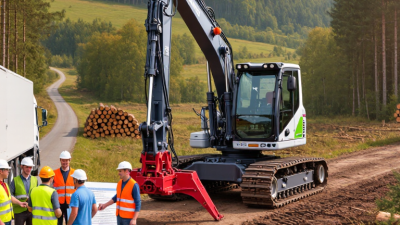
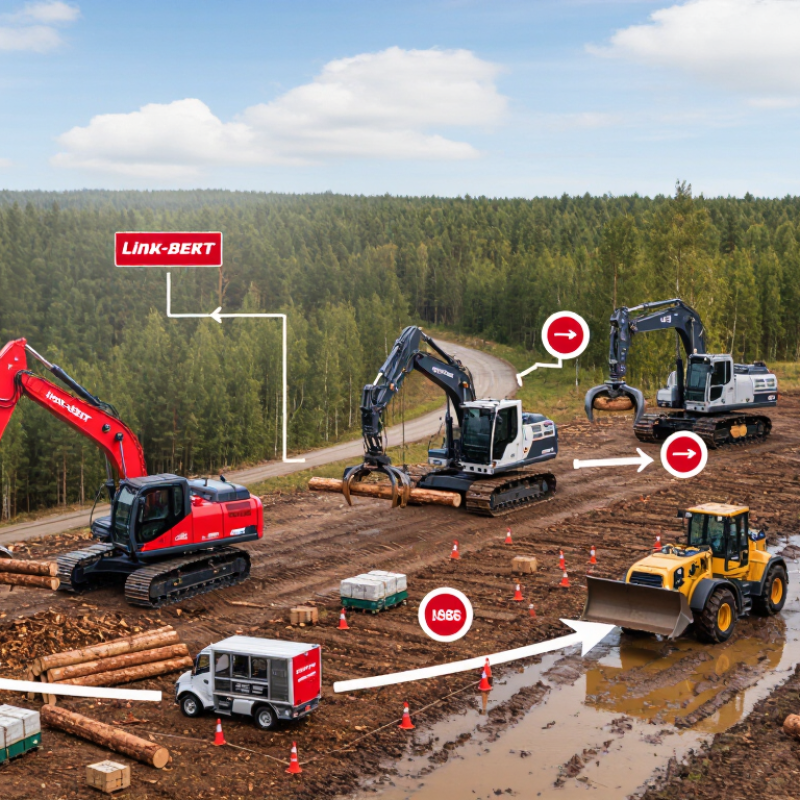
Link-belt logging equipment supports demanding work across forests, landing areas, and timber yards. Its tracked undercarriage improves stability on soft ground and uneven slopes. Hydraulic excavators can clear access routes, handle logs, and load trailers. Forwarders move cut timber while reducing unnecessary ground contact. Delicate control matters near standing trees and narrow corridors. In my field observations, machine balance often matters more than maximum lifting capacity. A powerful unit can still struggle with poor terrain planning.

The equipment’s core applications include felling support, log sorting, loading, road maintenance, and material handling. FAO’s Global Forest Resources Assessment 2020 reports that forests cover about 4.06 billion hectares worldwide. It also records around 420 million hectares of forest loss since 1990. These figures highlight the need for controlled movement and lower-impact operations. The International Labour Organization identifies forestry as a high-risk industry, making visibility, operator training, and maintenance essential. Some productivity claims seem optimistic. Real output depends on slope, tree size, weather, fuel access, and operator skill.

Tips: Match attachment size to the timber diameter and lifting radius. Inspect hydraulic hoses before each shift. Use wider tracks on wet ground. Keep exclusion zones visible around swing areas. Record fuel use and cycle time weekly. Small data gaps can distort purchasing decisions. Regional service support also deserves serious attention. A cheaper machine may become expensive when parts arrive slowly.

Key Specifications Global Buyers Should Compare Before Purchasing

Top Link Belt Logging Equipment for Global Buyers?

Key Specifications Global Buyers Should Compare Before Purchasing

Choosing logging equipment requires more than checking engine size. On muddy slopes, lifting capacity, hydraulic performance, and ground clearance directly affect daily productivity. Buyers should compare rated operating load, breakout force, boom reach, and attachment compatibility. A machine that looks powerful may still struggle with wet soil.

Engine power matters, but fuel use matters too. Ask for fuel consumption data under working conditions, not only laboratory figures. Check hydraulic flow and pressure for grapples, winches, and cutting attachments. Undercarriage width, track design, and overall weight influence stability during hillside operations. Transport dimensions can also determine shipping cost and road access.

Inspect the cab carefully. Clear visibility, protective guarding, emergency controls, and operator comfort support safer long shifts. Verify emissions compliance, electrical voltage, and required certification in the destination market. Service access is another practical test. Can filters, hoses, and grease points be reached without removing major panels?

Request maintenance schedules, warranty terms, parts availability, and documented inspection records. Serial numbers and load-test reports should match the equipment offered. In field evaluations, I have seen buyers focus heavily on horsepower and overlook hydraulic leaks. That was an expensive lesson. Specifications can also be incomplete or slightly inconsistent, so independent verification remains worthwhile. Short videos help, but an on-site inspection is stronger.

Top Link Belt Logging Equipment for Global Buyers? - Key Specifications Global Buyers Should Compare Before Purchasing
Equipment Category Primary Logging Application Typical Operating Weight Typical Engine Power Ground Clearance Rated Load or Lift Capacity Key Configuration to Compare Terrain Suitability Common Transport Consideration Best Buyer Priority
Forestry-Configured Tracked Excavator Road building, stump removal, loading, ditching, and attachment work 20–35 metric tonnes 110–220 kW 0.45–0.80 m Approx. 5–12 tonnes at normal working radii Forestry guarding, reinforced undercarriage, hydraulic quick coupler, rotating grapple, and high-flow auxiliary hydraulics Uneven ground, slopes, wet soil, and mixed forest access roads May require a low-loader and route permits depending on operating weight Hydraulic versatility, guarding quality, stability, and local service support
Tracked Feller Buncher Felling and grouping trees in clear-cut and selective harvesting operations 25–45 metric tonnes 150–250 kW 0.60–0.90 m Cutting heads commonly handle trees up to approximately 50–75 cm in diameter, depending on species and head design Sawhead or shearhead capacity, accumulator size, boom reach, guarding, and hydraulic flow Soft ground, steep sites, and dense stands when tracked mobility is required Heavy haulage equipment normally required; verify total height and width Production rate, carrier stability, cutting-head durability, and operator visibility
Wheeled Harvester Felling, delimbing, cross-cutting, and measuring trees on prepared access routes 14–25 metric tonnes 120–190 kW 0.60–0.85 m Harvester heads commonly process stems up to approximately 50–70 cm in diameter Number of wheels, bogie design, head feed speed, measuring accuracy, and boom reach Firm forest roads and moderate slopes; less suitable for very soft or heavily rutted ground Usually easier to move than tracked machines, but road width and axle load still matter Fuel efficiency, stem-processing accuracy, tire protection, and data-logging capability
Forwarder 搬运 cut-to-length logs from the felling site to a landing or roadside 15–30 metric tonnes 130–220 kW 0.65–0.90 m Payload commonly 10–20 tonnes Load-space volume, crane reach, grapple capacity, bogie width, and adjustable bunk design Prepared routes, moderate slopes, and operations where reduced soil disturbance is important Check transport width, total length, axle configuration, and regional road limits Payload productivity, low ground pressure, crane cycle time, and operator comfort
Skidder Dragging whole trees or tree-length stems to a landing 14–25 metric tonnes 120–220 kW 0.55–0.80 m Winch pull commonly 10–20 tonnes; grapple capacity varies by configuration Grapple or cable setup, winch pull, arch design, protective guarding, and tire or track configuration Rough terrain and steep ground where whole-tree extraction is used Verify machine width, tire size, and availability of suitable heavy transport Traction, winch performance, structural strength, cooling capacity, and parts availability
Log Loader Sorting, stacking, loading trucks, and handling logs at roadside landings 18–35 metric tonnes 110–220 kW 0.45–0.75 m Working lift commonly 3–8 tonnes, depending on reach and grapple size Boom reach, lift chart, grapple volume, upper-structure swing strength, and cab elevation Stable landings, yards, mill sites, and prepared truck-loading areas Transport weight and machine height may require route planning and permits Lift capacity at working radius, cycle time, stability, and grapple durability
Grapple Skidder Fast extraction of grouped stems and tree-length material 15–24 metric tonnes 130–210 kW 0.55–0.80 m Grapple opening commonly 1.8–2.5 m, depending on model and duty class Grapple opening, hydraulic closing force, articulation angle, and winch backup system Rough, open terrain with sufficient maneuvering space Check axle loads, overall width, and tire availability in the destination market Cycle speed, traction, grapple reliability, fuel consumption, and operator protection
Cable Yarder Cable extraction from steep or inaccessible forest terrain 8–25 metric tonnes, excluding support vehicles and rigging 100–250 kW Not normally specified as a ground-contact machine Payload commonly 1–4 tonnes per turn, depending on cable system and span Mainline length, skyline capacity, carriage type, anchor requirements, and setup time Steep slopes and environmentally sensitive areas where ground-based extraction is limited Transport planning includes tower sections, cables, anchors, and rigging equipment Reach, payload per cycle, setup productivity, cable safety, and trained personnel
Buyer note: The figures shown are representative industry ranges for comparison only. Actual specifications vary by machine size, attachment, guarding package, operating environment, emissions configuration, and local regulations. Confirm the official operating weight, rated capacity, dimensions, engine certification, warranty terms, parts support, and transport requirements before purchase.

How Link-Belt Machines Support Different Logging Operations

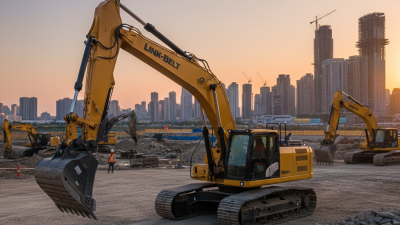
Modern tracked logging machines support more than one task. Their hydraulic systems can power grapples, buckets, cutters, and lifting attachments. This flexibility helps crews move between selective harvesting, roadside loading, and site preparation. A stable undercarriage is valuable on uneven forest floors. It spreads machine weight across soft ground and reduces unnecessary rutting.

In steep terrain, operators often choose compact machines with precise hydraulic control. They can position logs beside access roads without swinging too far. Larger excavators provide greater lifting capacity for heavy timber and storm-damaged trees. However, size is not everything. A wide machine may struggle on narrow trails or between closely spaced trunks.

Maintenance access also affects daily productivity. Grease points, protected hoses, clear service panels, and reliable cooling systems reduce avoidable delays. Experienced crews inspect tracks, hydraulic lines, and attachment pins before each shift. Small faults become expensive in remote forests. That matters.

Different operations require different choices. Wet lowlands may favor low-ground-pressure tracks, while dry slopes may demand stronger climbing performance. Fuel use, transport width, operator visibility, and local service support deserve equal attention. I have seen machines selected for maximum power lose time because attachments were poorly matched. More power is not always better. Careful planning still matters. Conditions change, and even experienced operators must review their assumptions after the first few working days.

Safety, Maintenance, and Operating Requirements for Logging Equipment

Top Link Belt Logging Equipment for Global Buyers

Safety, maintenance, and operating requirements should guide every logging equipment purchase. A powerful machine is not automatically a safe machine. Operators need practical training, clear manuals, and approved protective equipment. Before work begins, inspect guards, emergency stops, hydraulic hoses, pins, and attachment points. Check the ground for slopes, hidden voids, loose soil, and overhead hazards. Load limits must match the machine configuration, not assumptions made in the field.

Routine maintenance protects both workers and equipment. Remove wood chips and mud from moving parts after each shift. Check fluid levels, leaks, track tension, rollers, brakes, and structural cracks. Small hydraulic leaks can become serious failures. Keep inspection records with dates, operating hours, repairs, and replacement parts. Global buyers should confirm spare-part availability, service support, operator language, and local safety requirements. Imported equipment may require different procedures. This detail is easy to overlook.

Tips: Use a pre-start checklist every day. Keep bystanders outside the swing area. Stop work during unstable weather or poor visibility. Never exceed rated capacity. A checklist cannot replace judgment. I have seen experienced operators miss simple damage when production pressure increased. Slow inspections often prevent expensive downtime. Review procedures after every near miss, even when nobody was injured.

Logging Equipment: Typical Maintenance and Operating Requirements

Reference service intervals commonly used for heavy forestry equipment. Daily inspections should be completed before operation, while hour-based maintenance must always be verified against the equipment manufacturer’s manual and local safety regulations.

Pre-start checks, hydraulic hose inspections, fluid-level checks, and undercarriage inspections are typically performed every operating shift. Engine oil, filters, and hydraulic-system service are generally scheduled by operating hours and require accurate maintenance records.

Import, Compliance, and Supplier Evaluation for International Buyers

Top Link Belt Logging Equipment for Global Buyers?

Import, Compliance, and Supplier Evaluation for International Buyers

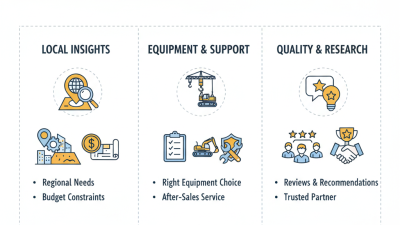
Selecting link-belt logging equipment requires more than comparing prices and lifting capacity. Buyers should match machine size with terrain, timber volume, road access, and local service availability. A machine working on wet slopes needs stable tracks, protected hydraulics, and reliable braking systems. Request operating hours, maintenance records, load charts, and clear photos of the serial plate. These details often reveal more than a polished sales listing.

Import preparation can prevent expensive delays. Confirm the correct customs classification before shipment, then check duties, taxes, port rules, and required certificates. Emissions, noise, safety guards, and electrical standards may differ between countries. Ask the supplier for the commercial invoice, packing list, bill of lading, certificate of origin, and inspection report. Used equipment may need extra cleaning documents because soil and plant residue can trigger border inspections. Requirements change. Verify them with local customs professionals.

Tips: Compare total landed cost, not only the purchase price. Contact at least three suppliers and test response quality. Ask for spare-parts lead times, warranty boundaries, remote support, and technician training. A video inspection should show cold starting, hydraulic movement, control panels, and undercarriage wear. Payment protection matters too. Some buyers focus heavily on delivery speed and overlook parts availability. That is a costly mistake. I would also leave room for doubt: photos can hide leaks, repaired cracks, or heavy frame fatigue. An independent inspection is usually worth the extra expense.