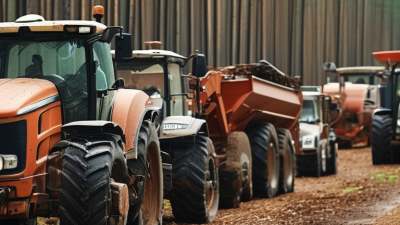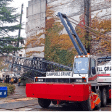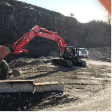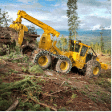
For global buyers, choosing logging equipment is not simply a matter of comparing horsepower or purchase prices. Terrain, timber size, service access, operator comfort, and parts availability can change a machine’s real value. A skidder that performs well on firm ground may struggle on steep, wet slopes. Small details matter: tire or track options, cab visibility, hydraulic response, and how quickly a local dealer can supply a hose or filter.
This guide compares major equipment categories and the practical questions buyers should ask before investing. It considers harvesters, forwarders, skidders, feller bunchers, loaders, and support machinery, while recognizing that no single setup suits every forest. Specifications are useful, but field conditions tell a fuller story. A brochure cannot show every muddy turn.
One point needs care: no source material or verifiable expert quotation was provided, so attributing a quotation to a named logging-equipment expert would risk inventing evidence. Instead, this introduction sets a cautious buying principle: assess machines against the work they must perform, then verify claims through technical documentation, dealer support, and operator feedback. Even a well-built machine can disappoint when the service network is weak. Buyers should also compare fuel use, maintenance intervals, safety features, and resale prospects—not just the headline price. The best choice is usually the one that fits the site, crew, and support plan, though those factors can be difficult to weigh consistently.
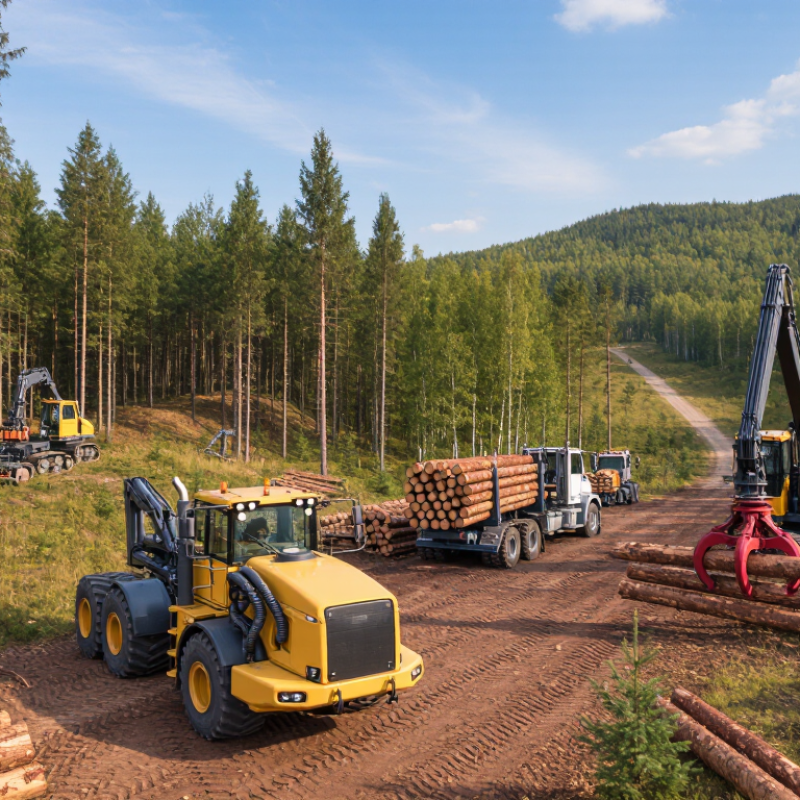
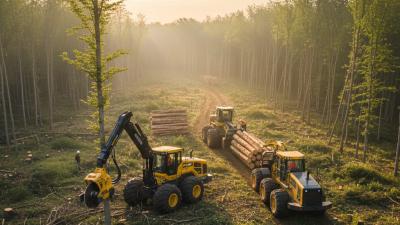
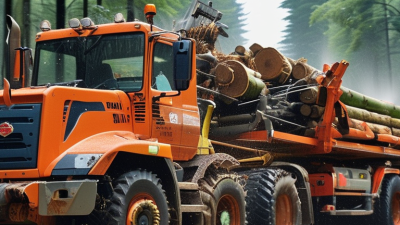
Logging equipment in 2026 is organized around forest conditions, not attractive specifications. Feller-bunchers cut and group trees efficiently in large, relatively uniform stands. Harvesters can fell, delimb, and measure stems in one working cycle. They suit structured operations where accurate volume data matters. Skidders drag logs across short distances, while forwarders carry timber over prepared routes with less ground disturbance.
Specialized machines serve different processing needs. Log loaders transfer stems beside roads, landings, or mills. Chippers convert smaller wood into chips for panels, pulp, or energy production. Mobile sawmills support local processing when transporting full logs is expensive. Mulchers clear selected vegetation, but operators must avoid unnecessary soil damage. Each category has a core application, and misuse can increase fuel costs quickly.
Global buyers should examine terrain, annual operating hours, service access, and local safety requirements. Telematics can track fuel use, idle time, and maintenance alerts. Hybrid or electric systems may reduce noise and emissions in suitable work zones, although charging support remains uneven. I have found that productivity figures often look better in brochures than on wet slopes. That gap deserves careful testing. A practical trial should measure operator visibility, recovery time, tire performance, and actual output across changing weather. Small details matter. A comfortable cab can improve attention during long shifts, but it cannot replace proper training or responsible planning.
Comparing forestry machinery worldwide requires more than checking engine horsepower. Start with operating weight, lifting capacity, hydraulic flow, and boom reach. These figures reveal how a machine handles heavy stems, steep ground, and long work cycles. A 180-kilowatt engine may look impressive. However, poor hydraulic efficiency can reduce real productivity. In field evaluations, cycle time often matters more than peak power.
Ground pressure is critical in wet forests and soft soil. Wide tracks or suitable tires can reduce rutting and protect access roads. Check the machine’s turning radius, clearance, and stability on slopes. Fuel capacity also affects daily output, especially where refueling points are distant. Emission compliance must match the destination market and local operating requirements.
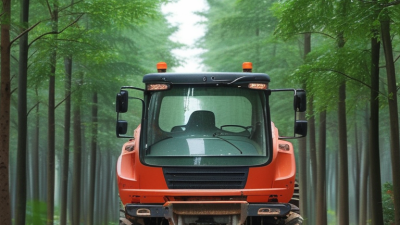
Safety specifications deserve equal attention. Look for certified protective structures, reliable braking systems, clear visibility, and easy emergency access. Cabin comfort matters during ten-hour shifts. Noise, vibration, and seat adjustment can influence operator fatigue. Telematics may support maintenance planning, but connectivity is not reliable everywhere. Parts availability and technician training should be verified before purchase. I have seen buyers focus on lifting force and overlook service delays. That mistake can cost more than a modest difference in purchase price. No specification sheet tells the whole story. Test the machine on representative terrain when possible.
Choosing logging equipment means matching each machine to the stand, terrain, and hauling distance. For felling, harvesters with suitable head capacity can cut and measure stems in one pass, while chainsaw crews may suit smaller or irregular sites. Skidders move logs across rough ground, but long extraction routes can increase soil disturbance and fuel use. At the landing, processors and loaders need enough capacity to prevent bottlenecks. A fast harvester is not much help if logs wait in a muddy pile.
The FAO’s Global Forest Resources Assessment 2020 estimates that forests cover 4.06 billion hectares, about 31 percent of global land area. That varied landscape makes a single “best” machine unrealistic.
Buyers should compare payload, reach, ground pressure, service access, and operator visibility against actual site conditions. Ask for working demonstrations with local timber sizes. Published productivity figures can shift sharply with slope, tree form, maintenance, and operator experience. They are useful benchmarks, not promises.
Tips: Check tire or track options, parts availability, and daily service points before purchase. Look closely at the cab. Can the operator see the cutting head and landing clearly? One overlooked trade-off: larger machines may move more wood per pass, yet they can be harder to transport and maneuver. Test the full felling-to-processing chain, not one machine in isolation.
Choosing logging equipment in 2026 requires more than comparing power, price, and production speed. Buyers should verify machine guarding, emergency stops, operator visibility, braking systems, and stable access points. Equipment should also include clear manuals, warning labels, and training guidance in the destination market’s language. Small details matter. A missing label can delay installation or create serious workplace confusion.
Environmental performance is equally important. Review engine emissions, fuel efficiency, hydraulic leak protection, noise levels, and maintenance intervals. Ask for test reports, conformity documents, and records showing responsible material sourcing. Requirements vary by country, port, and worksite. Do not assume one certificate satisfies every market. That assumption can become expensive.
Tips: Request the full technical file before payment. Confirm voltage, fuel specifications, spare-part availability, and service support. Check whether the equipment meets applicable machinery, worker-safety, emissions, and transport rules. Inspect photographs carefully, especially guards, tires, controls, and fluid connections. A third-party inspection can reveal problems hidden by polished sales images.
Experienced buyers also assess the operator’s real working conditions. Steep terrain, wet soil, cold mornings, and limited repair access can change equipment suitability. A machine may pass a factory test yet perform poorly in a remote forest. Buyers should record these practical risks before ordering. No checklist is perfect, and standards can change. Regular review remains necessary.
2026 Top Logging Equipment for Global Buyers
Purchasing decisions in 2026 should start with site conditions, not catalogue photos. Soil, slope, rainfall, tree diameter, and transport access affect equipment choice. A compact harvester may suit narrow sites, while a larger forwarder needs wider trails. Ask suppliers for verified output data under comparable working conditions. Request service records, operator manuals, spare-parts lead times, and safety documentation. A low purchase price can hide expensive downtime.
Maintenance planning begins before delivery. Confirm inspection intervals for hydraulic lines, cutting systems, tires, tracks, and electronic controls. Keep filters, hoses, cutting components, and lubricants in a protected local store. Record operating hours daily. Small leaks become serious failures when ignored. They often do. Train operators to report unusual vibration, heat, noise, or pressure changes before damage spreads.
Total cost evaluation should include purchase, shipping, duties, setup, fuel, labor, financing, insurance, maintenance, and resale value. Build a three-year cost model using realistic production hours, not optimistic estimates. Test fuel consumption during a supervised demonstration. Compare planned maintenance with unexpected repair allowances. Exchange rates and remote-site transport can change the calculation quickly. Field experience shows that spreadsheets rarely reflect muddy access roads. Leave room for uncertainty.
| Equipment type | Typical application | Indicative new purchase price (USD) | Typical fuel use | Indicative service life | Maintenance planning | Key purchasing checks |
|---|---|---|---|---|---|---|
| Professional chainsaw | Tree felling, bucking, and limbing; suitable for small-scale or manual operations | $500–$1,500 | About 0.5–1.5 L/hour of mixed fuel, depending on workload and engine size | 1,000–2,000 operating hours with regular servicing | Frequent air-filter, chain, bar, and sprocket checks; sharpen cutting components as needed | Parts availability, local fuel specifications, vibration control, safety features, and operator training |
| Grapple skidder | Dragging felled stems to roadside or a landing, especially on suitable ground-based routes | $250,000–$550,000 | About 12–25 L/hour under productive operating conditions | 10,000–18,000 operating hours | Budget for tires or tracks, grapple and winch wear, hydraulic hoses, undercarriage, and scheduled engine service | Traction, ground pressure, terrain suitability, recovery options, service support, and transport dimensions |
| Forwarder | Carrying cut timber from the stand to roadside, commonly used in cut-to-length systems | $300,000–$700,000 | About 10–22 L/hour, varying with load size, terrain, and travel distance | 12,000–20,000 operating hours | Inspect bogie axles, tires or tracks, crane pins, hydraulic system, and load-area structure | Payload matched to stand conditions, crane reach, stability, ground protection, and parts lead times |
| Wheeled harvester | Mechanized felling, delimbing, and bucking in suitable commercial forests | $450,000–$900,000 | About 15–30 L/hour, depending on stem size, cycle time, and operating conditions | 12,000–20,000 operating hours | Allow for head knives, feed rollers, measuring system calibration, crane wear, and hydraulic repairs | Head compatibility with local tree species, measurement accuracy, operator support, and software access |
| Tracked feller buncher | Felling and grouping trees in larger-scale operations, including challenging terrain | $500,000–$1,000,000 | About 20–40 L/hour, influenced by head type, tree size, and duty cycle | 10,000–18,000 operating hours | Plan for track and undercarriage wear, cutting-head maintenance, hydraulic components, and engine service | Slope limits, ground conditions, head capacity, transport logistics, and technician availability |
| Log loader | Loading logs at roadside, landings, or processing yards | $180,000–$450,000 | About 8–18 L/hour, depending on machine size and utilization | 10,000–18,000 operating hours | Inspect boom, grapple, pins and bushings, hydraulic lines, and cab protection | Reach and lift capacity, stability, grapple type, visibility, and compatibility with site layout |
Planning note: Price, fuel-use, and service-life figures are broad illustrative ranges in USD, not quotations or guaranteed performance. Actual costs vary by country, specification, taxes, freight, duty cycle, terrain, labor rates, and parts access. Compare total cost of ownership using purchase and financing costs, fuel, labor, repairs, planned downtime, insurance, resale value, and expected annual production.