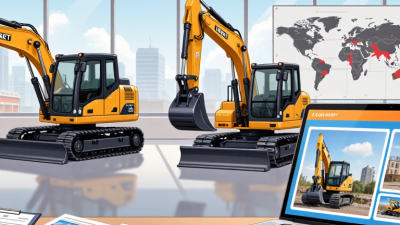
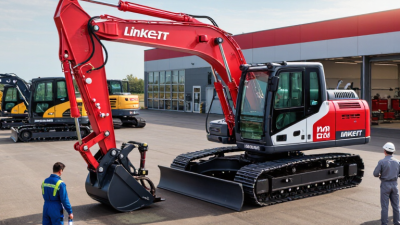
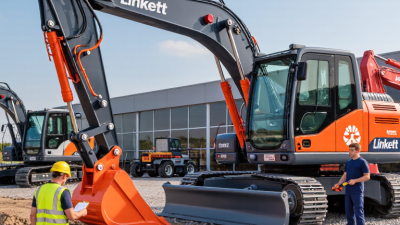
7 Best Link Belt Excavator Models for Sale in 2026?
Buying a link belt excavator in 2026 requires more than comparing horsepower and operating weight. Real jobsite performance depends on soil conditions, attachment demands, transport limits, and dealer support. A machine that excels on a highway project may feel oversized on a residential drainage site.
This guide examines seven Link-Belt excavator models worth considering for sale in 2026. The selection focuses on practical factors, including digging depth, hydraulic response, fuel use, cab comfort, service access, and resale potential. These details matter.
Experienced operators often notice small differences first. Joystick smoothness can affect trench accuracy. A clear rear camera can reduce blind-spot stress. Convenient ground-level filters may save valuable maintenance time. These are not flashy specifications, but they influence daily productivity.
The models discussed here represent different work priorities, from compact excavation to demanding earthmoving. However, published specifications should not be treated as final buying advice. We recommend confirming current configurations, attachments, warranty terms, and service coverage with an authorized dealer. Used machines also require careful inspection, including undercarriage wear, hydraulic leaks, oil condition, and hour-meter consistency.
That matters.
Market availability can change quickly in 2026. Some listings may appear attractive because of low hours, yet neglected cooling systems or worn pins can create unexpected costs. This guide offers a reliable starting point, not a substitute for an independent inspection. The strongest choice will balance purchase price, operating conditions, operator experience, and long-term support. A perfect model may not exist; the right machine depends on the work waiting at your site.
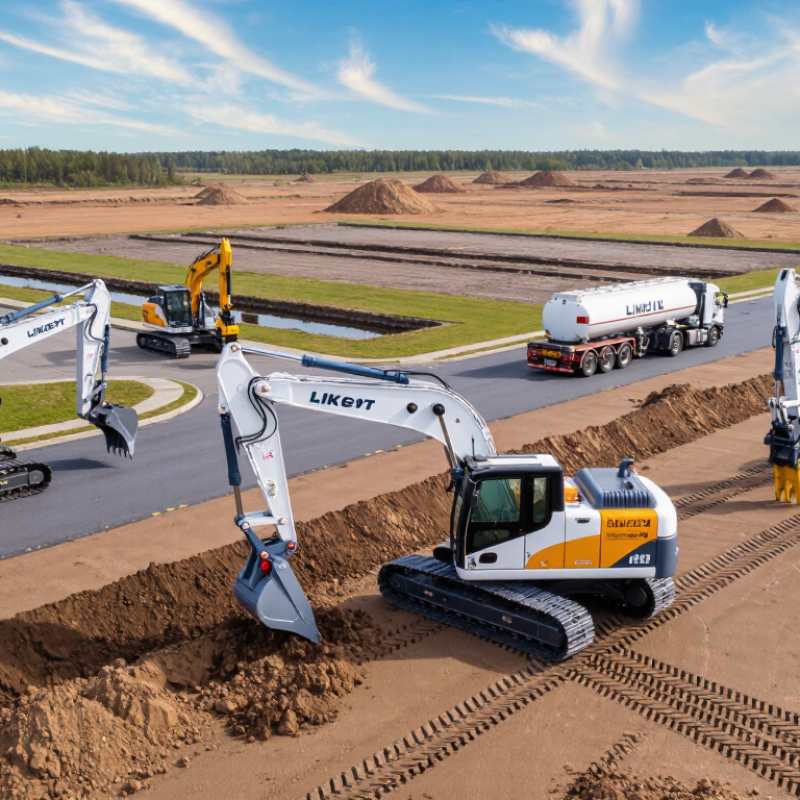
What Makes Link-Belt Excavators Stand Out in 2026
What makes a crawler excavator stand out in 2026 is not a flashy screen. It is steady performance across a long, dusty shift. Look for responsive hydraulic controls, clear sightlines around the counterweight, and service points reachable from ground level. Those details matter when an operator is trimming a trench beside a road or loading wet soil into a truck. A quiet cab and predictable joystick response can also reduce fatigue. Small gains, repeated daily.
Different models suit different work. A compact machine may fit tight urban sites, while a heavier excavator can handle deeper cuts and larger buckets. Check operating weight, reach, lift charts, and transport dimensions against the job, not just the sales listing. Fuel use depends on workload, maintenance, and operator habits; published figures are not a promise. Ask to see service records and, if possible, run the machine with a bucket under load. A neat paint finish tells you little. Even good machines have trade-offs, and online specifications can leave out the detail that matters on your site.
These broad, indicative weight bands help compare excavator size classes when evaluating machines for sale in 2026. They are not specifications for particular models; actual operating weight varies by configuration and attachments. Match machine size to the job, transport limits, and working conditions.
How to Choose the Right Link-Belt Excavator for Your Work
Choosing the right excavator starts with the work, not the biggest machine on the lot. For tight urban sites, compare operating width, tail swing, and transport weight before checking digging depth. On utility jobs, a compact rear profile can reduce repositioning near barriers. For mass excavation, reach, bucket capacity, and cycle time matter more. Match hydraulic flow to attachments such as breakers or thumbs; an oversized machine may burn fuel while waiting for trucks. Check the actual spec sheet, since configurations can change performance.
A useful reality check is staffing. The Associated General Contractors of America’s 2024 workforce survey found that 92% of surveyed contractors had difficulty filling craft positions, and 45% reported project delays tied to labor shortages. That makes familiar controls, clear sightlines, and straightforward daily checks practical selection factors—not luxuries. Still, a comfortable cab cannot fix a poor match between machine size and site access. I’ve seen that overlooked.
Tips: Compare rated lift capacity at your working radius, not just maximum digging depth. Ask for a job-site demonstration with your usual attachment. Inspect service points, track condition, and maintenance records, especially on used equipment. Estimate transport costs and fuel use across a typical shift. Then compare the total operating cost with expected production; the cheapest purchase price can be misleading.
Seven Best Link-Belt Excavator Models for Sale in 2026
The seven best Link-Belt excavator models for sale in 2026 suit different jobsite demands.
The 65 X4 is a practical choice for landscaping, utility trenches, and narrow access. The 75 X4 adds useful digging strength without becoming difficult to transport. For general construction, the 85 X4 offers a balanced mix of reach, stability, and fuel control.
The 130 X4 fits contractors needing more bucket capacity on foundations and roadwork. The 170 X4 provides stronger lifting performance for heavier materials and deeper excavation. The 210 X4 is a dependable middle-to-large class option for demanding commercial projects. For large earthmoving work, the 250 X4 delivers greater reach and breakout force, although transport planning becomes more complicated.
My ranking is not absolute. Soil, attachments, operator skill, and local service access can change the best choice. A clean machine with documented maintenance may outperform a larger excavator with neglected hydraulics. Inspect the slew bearing, boom pins, undercarriage, and hydraulic lines before purchase. Check the display for fault codes. Ask for cold-start footage, not only polished showroom photos.
Small details matter. A worn track can quickly affect stability and operating cost. Attachment compatibility also deserves careful review. Confirm each model’s current specifications, warranty terms, and parts availability with an authorized dealer before signing a 2026 purchase agreement.
Pricing, Condition, and Inspection Tips for Buyers
Buying one of the seven best link belt excavator models for sale in 2026 requires more than comparing advertised prices. Small and mid-size machines may list between $25,000 and $90,000. Larger units can exceed $150,000. Hours, attachments, location, and maintenance history can change the final cost significantly.
Condition matters more than appearance. A fresh paint job may hide cracked welds or neglected leaks. I would request a cold start, not a warmed-up demonstration. Listen for unusual knocking, delayed hydraulic movement, or excessive smoke. Check the boom, arm, bucket pins, swing bearing, and hydraulic cylinders for play.
Inspect track chains, rollers, sprockets, and pads closely. Uneven wear often signals expensive undercarriage work.
Bring an independent heavy-equipment technician when possible. Ask for service records, fluid analysis, and the machine’s serial number. Compare the hour meter with pedal wear, seat damage, and control-lever condition. Test every function under load, including travel, swing, auxiliary hydraulics, and safety systems. A pressure test can reveal weak pumps that a short demonstration misses. I once trusted a clean cab too quickly. That was a costly reminder. Leave room in the budget for transport, filters, hoses, and unexpected repairs. A lower purchase price is not always the lower ownership cost.