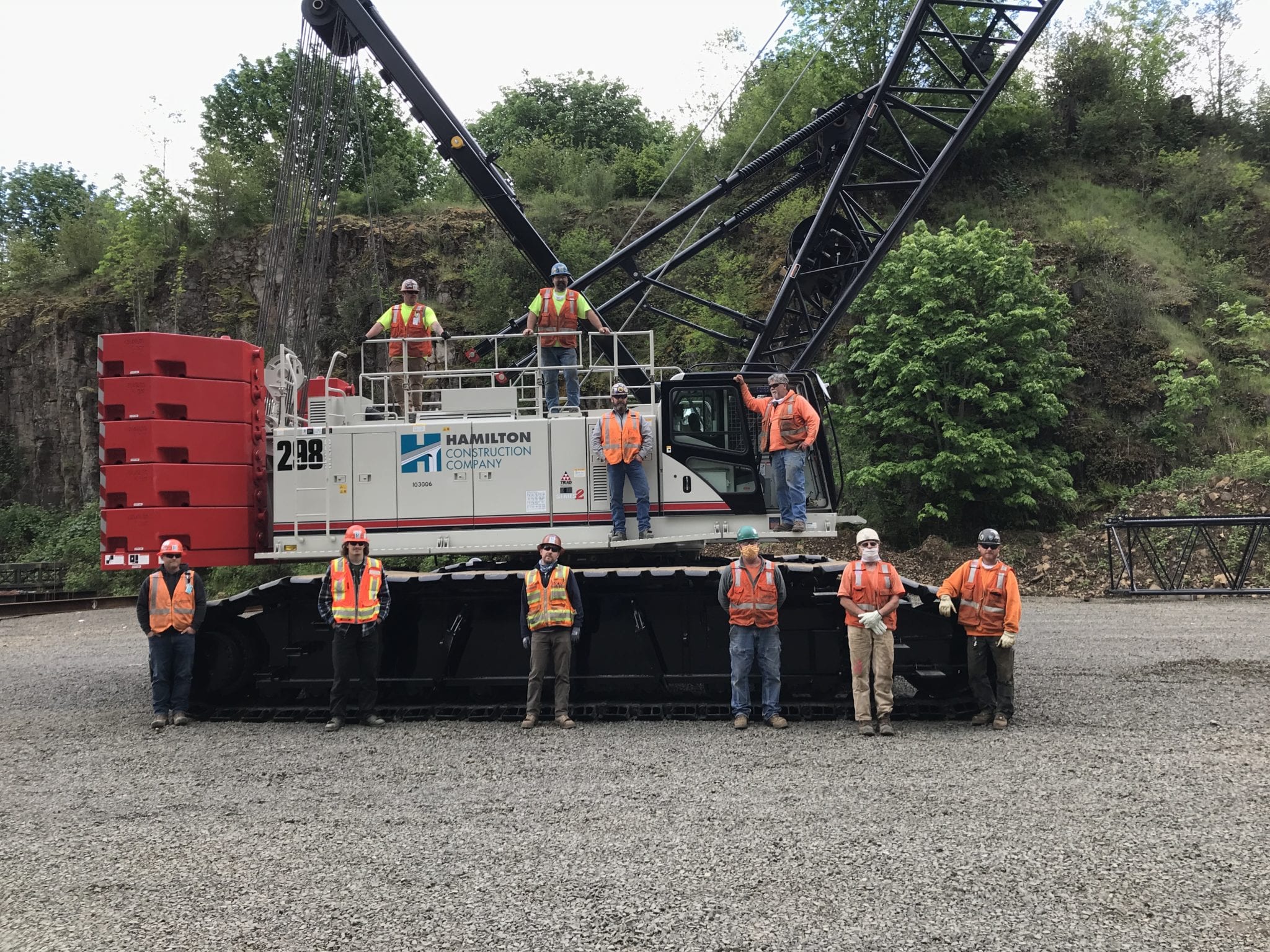
How to Find a Top China Link Belt Excavator Dealer?
Finding a reliable link belt excavator dealer in China requires more than comparing online prices. A professional dealer should understand machine performance, export procedures, maintenance needs, and site conditions. Their advice should fit your project, not merely promote available stock.
Look for clear evidence of experience with Link-Belt excavators. A dependable supplier can provide detailed specifications, machine photographs, operating hours, serial information, and maintenance records. Ask how they inspect hydraulic pumps, undercarriages, engines, and electronic systems before shipment. A serious dealer should also explain warranty coverage, spare-parts access, loading methods, and after-sales communication.
Details matter.
Request a video showing the excavator starting from cold. Listen for unusual engine noise. Watch the boom, arm, and bucket move under load. Check whether the tracks turn evenly and whether the cab displays warning codes. These simple checks cannot replace an independent inspection, but they can reveal careless preparation.
A trustworthy China supplier should communicate limitations honestly. If a used machine has worn pins, faded paint, or incomplete service records, the dealer should disclose those issues. Perfect-looking listings deserve careful questions. I have found that rushed decisions often create avoidable costs later, especially when replacement parts and technical support are difficult to arrange.
Compare several dealers, verify their business details, and request a written quotation with complete terms. A strong dealer values long-term cooperation over one quick sale. The best choice may not offer the lowest price. It should offer predictable quality, transparent communication, and practical support after delivery. That is where real reliability becomes visible.
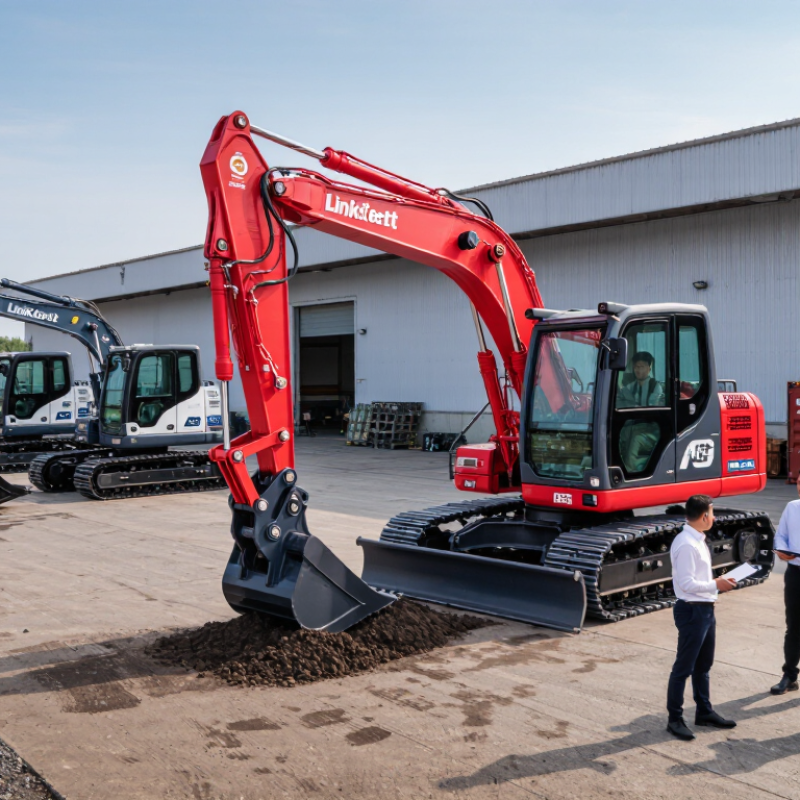
Define Your Link-Belt Excavator Requirements
Before contacting a China excavator dealer, define the machine’s real working conditions. Record the required digging depth, lifting height, operating weight, and bucket capacity. Soil changes everything. Soft clay needs different performance from compacted gravel or weathered rock.
Measure your jobsite access carefully. Note road width, working radius, transport limits, and ground pressure requirements. Hydraulic flow also matters when using breakers, augers, or grapples. A machine with impressive engine power may still disappoint with unsuitable auxiliary hydraulics. That happened on a project I reviewed. The excavator had enough power, but its attachment response was slow.
Ask dealers for complete specifications, service records, inspection photos, and a clear parts plan. Request cold-start videos and close images of the undercarriage, boom pins, hoses, and hydraulic cylinders. Check whether the stated operating hours match wear on the pedals and seat. Small inconsistencies deserve questions. Do not rely on polished photos alone.
Define your budget beyond the purchase price. Include shipping, taxes, maintenance, filters, attachments, and operator training. Confirm warranty terms in writing, including response time and replacement-part procedures. An experienced dealer should discuss limitations honestly, not only advantages. My own checklist was incomplete at first; I overlooked transport height and paid for a late adjustment. That mistake made future inspections more practical and less optimistic.
How to Find a Top China Link Belt Excavator Dealer? - Define Your Link-Belt Excavator Requirements
| Requirement Category | Requirement to Define | Practical Benchmark | What to Verify with the Dealer | Priority |
|---|---|---|---|---|
| Application | Primary jobsite use | General excavation, trenching, road construction, quarrying, demolition, forestry, or material handling. | Request a machine configuration suited to the actual work cycle, ground conditions, attachment type, and expected daily operating hours. | High |
| Operating Weight | Required machine size | Compact units are commonly below 10 metric tons; medium excavators are approximately 10–25 metric tons; large units generally exceed 25 metric tons. | Confirm operating weight with the selected boom, arm, bucket, counterweight, cab protection, and other installed equipment. | High |
| Engine Performance | Power output and fuel efficiency | Medium excavators often use engines in the approximate range of 70–180 horsepower, while larger units may require more than 180 horsepower. | Ask for rated net power, rated speed, fuel-consumption data, emission certification, and performance under continuous load. | High |
| Hydraulic System | Hydraulic flow and pressure | Standard digging normally uses the main hydraulic circuit; breakers, mulchers, augers, and shears may require auxiliary flow from approximately 20 to over 300 liters per minute, depending on attachment size. | Match auxiliary flow, pressure, return-line configuration, coupler compatibility, and control settings with each planned attachment. | High |
| Bucket Selection | Bucket capacity and material type | Bucket capacity varies by machine size and material density; general-purpose buckets are normally smaller for heavy or dense materials and larger for loose materials. | Confirm bucket volume, pin dimensions, digging force, teeth design, wear-package options, and compatibility with the excavator arm. | High |
| Working Range | Maximum digging depth and reach | Required reach and depth should be based on the deepest trench, highest loading point, and farthest working position on the jobsite. | Review the official working-range chart for the exact boom, arm, bucket, and undercarriage configuration rather than relying on a general model range. | High |
| Lifting Capacity | Load-handling requirement | Lifting capacity changes substantially with lift radius, height, track position, boom configuration, and ground stability. | Request rated lift charts for the planned radius and height, and confirm compliance with applicable lifting and safety requirements. | High |
| Undercarriage | Track width and ground pressure | Wider tracks generally improve stability and reduce ground pressure; narrow tracks can simplify transport and access in confined areas. | Check shoe width, track adjuster design, ground-clearance requirements, travel speed, undercarriage warranty, and replacement-part availability. | Medium |
| Transport | Road and shipping restrictions | Transport planning should account for total machine height, width, length, operating weight, attachment dimensions, and local road regulations. | Obtain shipping dimensions and weights for the complete transport configuration, including bucket, counterweight, ramps, and detachable components. | High |
| Cab and Safety | Operator protection and visibility | A suitable cab should provide clear visibility, rollover protection, falling-object protection where required, emergency controls, and effective climate control. | Inspect the cab certification, glass and guarding options, rear and side visibility, alarms, camera systems, seat adjustment, and control layout. | High |
| Emission Compliance | Destination-market regulations | Emission requirements differ by country and may depend on engine power, production year, fuel type, and intended operating location. | Request engine emission certificates, conformity documents, serial-number records, and confirmation that the configuration is legal for the destination market. | High |
| Dealer Capability | Technical support and commissioning | A capable dealer should provide pre-delivery inspection, operating instructions, maintenance guidance, troubleshooting support, and commissioning assistance. | Ask for technician qualifications, service coverage, response procedures, diagnostic-tool availability, and documented pre-delivery inspection items. | High |
| Parts Support | Routine and critical spare parts | Common service items include filters, fluids, belts, hoses, seals, teeth, tracks, rollers, batteries, and hydraulic components. | Request a parts list, stock policy, estimated lead times, ordering process, parts warranty, and recommended start-up spare-parts package. | High |
| Warranty | Coverage for machine and major components | Warranty terms vary by supplier, component, operating environment, and service-hour limit; coverage must be reviewed in writing. | Confirm duration, hour limit, covered components, exclusions, claim procedure, labor coverage, travel costs, and requirements for scheduled maintenance. | High |
| Inspection | Condition and quality verification | New or used excavators should be checked for leaks, abnormal noise, hydraulic response, structural cracks, undercarriage wear, and control accuracy. | Use an independent inspection or factory acceptance checklist and record serial numbers, operating hours, test results, photographs, and outstanding defects. | High |
| Ownership Cost | Total cost over the planned service period | Total cost includes purchase price, freight, duties, fuel, scheduled maintenance, wear parts, repairs, operator training, insurance, and resale value. | Request a written quotation with equipment configuration, delivery terms, payment terms, taxes, spare parts, warranty, training, and all optional equipment listed separately. | High |
| Delivery | Lead time and delivery conditions | Delivery time depends on machine availability, customization, factory inspection, port schedule, documentation, and destination clearance. | Confirm production status, estimated dispatch date, shipping term, loading port, container or breakbulk method, insurance responsibility, and document package. | Medium |
| Dealer Evaluation | Reliability of the supplier | A strong supplier should provide consistent technical documents, traceable machine information, transparent commercial terms, and responsive after-sales communication. | Compare at least three written quotations and evaluate documentation quality, service arrangements, parts support, references, inspection cooperation, and contract clarity. | High |
Related Posts
-
What Is a Link Belt Excavator Dealer?
-
How to Find a Reliable Link Belt Excavator Dealer in 2026?
-
What Is a Link Belt Dealer Near Me and How Do I Choose One?
-
10 Tips for Buying a Link Belt Machine?
-
How to Choose the Right Link Belt Forestry Equipment?
-
Discover Top Link Belt Companies in China for Global Sourcing?

Subscribe to our newsletter.