How to Find Link Belt Corporation Dealers in 2026?
Finding a Link-Belt Corporation dealer in 2026 is not just a matter of choosing the nearest location. Buyers should confirm that a dealer supports the specific machine, crane, or replacement part they need. Start with Link-Belt’s official dealer resources, then verify the branch’s territory, current authorization, and contact details directly. A map pin alone is not enough.
“Confirm authorization, service coverage, and parts availability before comparing offers” is a practical rule for this search. I cannot verify that sentence as a quotation from a named Link-Belt industry expert, so I will not attribute invented words to one. That distinction matters: accurate sourcing helps readers trust advice about costly equipment and ongoing support.
Look for concrete evidence. Ask whether technicians can service your model, whether common filters and wear parts are stocked nearby, and how emergency repairs are handled. For a crane or excavator, a short call can reveal more than a polished listing. Request written confirmation of the dealer relationship and the services available at that location. Details may vary by region and machine line, so verify them before traveling or planning a purchase. Dealer networks change, and online listings can lag behind. That is an imperfect part of the process. This guide will help readers check carefully, compare support, and choose a Link-Belt Corporation dealer with fewer assumptions.
Start With Link-Belt’s Official Dealer Locator for 2026 Coverage
For 2026 dealer coverage, start with the equipment manufacturer’s official dealer locator. It is the most reliable place to check current locations, rather than relying on an old directory listing. Enter a city, postal code, or region, if those search options are available. Then compare nearby results with your actual travel needs. A map pin is only a starting point.
Check each listing for its address, phone number, sales support, and service coverage. A dealer may be close by but serve a limited area or handle only certain equipment needs. Call before making the trip. Ask whether the location supports your machine type, has parts staff available, and can arrange field service at your site. Small details matter.
Keep your equipment model and serial number nearby when you call. This can help staff direct your question to the right team. Confirm business hours and appointment requirements, too. Locator information can change, and a listing may not reflect a recent move or staffing update. It is worth checking twice, even when the map looks clear.
Filter Results by Crane Type, Territory, and Authorized-Service Status
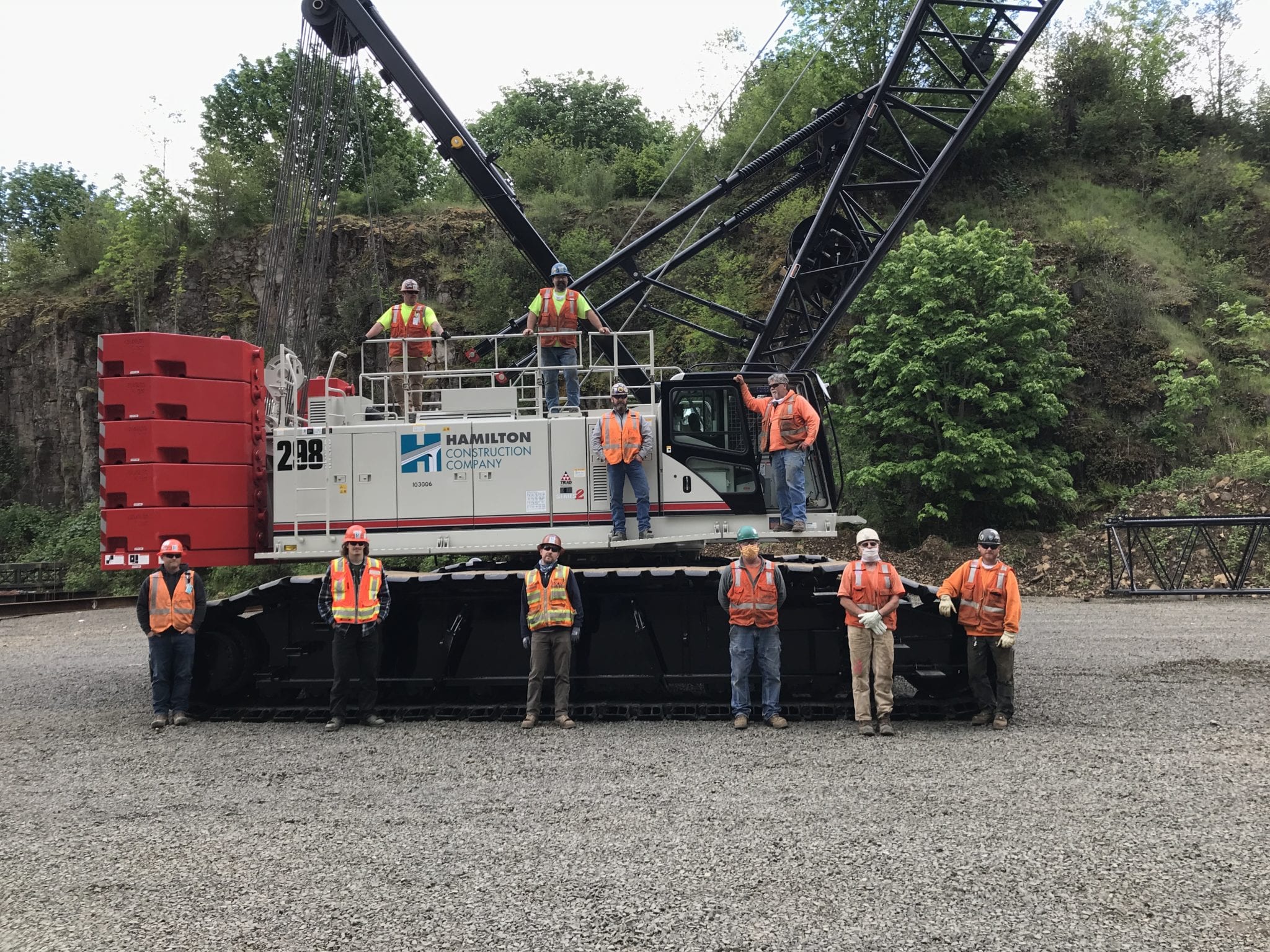
Finding a suitable crane dealer in 2026 starts with narrowing the search, not clicking the nearest map pin. Select the crane type that matches your machine, such as crawler, rough-terrain, or truck-mounted. Model details matter; a dealer familiar with one class may not stock parts for another. Set your territory using your jobsite ZIP code or region. A nearby office can reduce travel time, but distance alone is a weak test.
Tips: Apply the authorized-service filter when service capability matters to your purchase or repair. Check what authorization covers, which technicians are available, and whether field service reaches your site. Ask for written confirmation of coverage and parts availability. Listings can lag; keep that in mind.
Compare the remaining dealers on practical details: supported models, response hours, service radius, parts access, and customer references. Call or email before planning a visit. Confirm the location, current territory coverage, and whether the service status remains active. Keep notes in a simple table. It may feel fussy, but it can prevent a wasted drive and reveal gaps the search page cannot show. If two dealers look equal, ask who can inspect your specific configuration and offer a realistic appointment window. A polished listing is not proof of fit.
How to Find Link Belt Corporation Dealers in 2026? - Filter Results by Crane Type, Territory, and Authorized-Service Status
Use the filters below to narrow a dealer-directory search. Territory coverage and authorization can change, so confirm both with the current official directory or the dealer before arranging a purchase or service visit.
| Filter or check |
Options or information to enter |
How to use it |
What to verify |
| Crane type |
Crawler crane; rough-terrain crane; truck crane; other types listed in the directory |
Select the equipment category that matches the machine or support you need. |
Ask whether the dealer supports your specific model and serial-number range. |
| Territory |
Country, state or province, and ZIP or postal code |
Search from the machine’s work location; use a nearby city or postal code if the directory supports map-based results. |
Confirm that the location is inside the dealer’s current sales or service territory. Boundaries may not match state or provincial lines. |
| Authorized-service status |
Authorized service; sales only; status not listed |
Apply the service filter when you need maintenance, diagnostics, repairs, or parts support. |
Check current authorization, technician availability, service area, and the work the location is qualified to perform. |
| Parts support |
Parts counter; parts ordering; parts delivery |
Use this check when you need replacement parts or want to reduce equipment downtime. |
Provide the model and serial number, and confirm stock, lead time, and delivery options. |
| Result follow-up |
Dealer contact details, supported equipment, territory, and authorization status |
Contact the closest matching result before traveling or booking service. |
Reconfirm details directly; directory listings can change and are not a guarantee of current availability. |
This is a search guide, not a live dealer list. Use the current official directory for verified locations and authorization status.
Verify Annual Inspection Support Against OSHA’s 12-Month Rule (29 CFR 1926.1412)
When comparing equipment dealers, ask who will perform the annual comprehensive inspection and provide the written record. Under OSHA’s 29 CFR 1926.1412, a qualified person must inspect covered equipment at intervals no greater than 12 months. The standard also requires monthly inspections, with results documented. Ask for sample records, inspector qualifications, and a clear schedule tied to your machine’s last inspection date. Check the date. A vague promise of “full service” is not evidence of annual inspection support.
BLS counted 5,283 fatal work injuries across all U.S. industries in 2023; that figure is not crane-specific. It offers broad context, not a measure of crane risk. For a more useful dealer comparison, confirm how service staff document defects, recommend repairs, and track follow-up. Request a written explanation of what happens when an inspection finds a safety-related issue. Paperwork matters. So does the person doing the inspection. A tidy file can still conceal a missed field check, and I would want to know who verifies the record before relying on it. Sources: OSHA, 29 CFR 1926.1412; U.S. Bureau of Labor Statistics, 2023 Census of Fatal Occupational Injuries.
Compare Parts Availability, Repair Response, and Maintenance Records
When evaluating an equipment dealer, compare parts availability for the machine’s exact model and serial number. A broad “in stock” claim may not include the seal, filter, or fitting you actually need. Ask staff to check common service items and less routine components, then request realistic delivery estimates. A clear answer matters.
Repair response deserves the same scrutiny. Ask who handles diagnostics, whether field service is available, and how urgent jobs are scheduled. A useful estimate explains likely inspection steps, labor timing, and what could cause delays. Note how the team communicates when a repair takes longer than expected. Polite promises are not a response plan.
Maintenance records can show whether a dealer’s advice is grounded in careful work. Request a sample service report, with private customer details removed, and check for dates, hours, parts installed, and follow-up notes. Consistent records are more useful than a polished checklist. I would still verify references and call the service desk with a specific parts question; one visit can’t prove everything. Keep your own notes on response times, quoted availability, and unresolved issues, because impressions fade—and my first impression has sometimes been wrong.
Confirm Dealer Authorization and Written Service Terms Before Purchase
How to Find Authorized Equipment Dealers in 2026
A dealer listing is a useful starting point, not proof of current authorization. Check the manufacturer’s official dealer directory, then confirm the seller’s status using contact details you find independently. Ask for written confirmation covering the specific equipment type and location. Authorization can vary by product or service area.
Before paying a deposit, get service terms in writing. Confirm who handles warranty claims, where repairs take place, and whether technicians travel to your site. Ask about labor rates, travel charges, parts availability, response targets, and exclusions. Request a sample maintenance schedule and clarify what happens if a repair takes longer than expected. A phone promise can sound clear and still leave gaps. Read the terms beside the sales quote; dates, equipment serial numbers, and responsibilities should match. I would not assume they do.
Tips: Keep the authorization confirmation, service agreement, and quote together. Take photos of the machine’s condition at delivery, including the hour meter and any visible damage. Ask one practical question: “Who do I call if it stops working on a Monday morning?” If the answer is vague, pause and ask for a named contact in writing.
How to Find a Dealer in 2026: Verify Before You Buy
Use this checklist to compare the evidence to request before purchase. Bars show the number of recommended checks in each area, not market statistics.
Confirm the seller’s authorization and legal identity; get service rates, coverage, response times, and exclusions in writing; clarify warranty coverage and claims; verify parts and technician support; and document delivery, inspection, and payment terms.