How to Choose Link Belt Forestry Equipment?
Choosing link belt forestry equipment is not simply a matter of comparing horsepower or lifting capacity. The right machine must match the forest, operator, and daily workload. Steep slopes, muddy access roads, dense undergrowth, and fragile soil can quickly expose a poor choice. A machine that looks powerful in a brochure may struggle between narrow trees.
Forestry equipment specialist Michael J. Rains offers a practical reminder: “The right machine is the one that fits the work, not the one with the biggest numbers.” This principle deserves attention. Buyers should examine hydraulic performance, lifting stability, undercarriage strength, attachment compatibility, and visibility from the cab. Fuel use matters too. So does the distance to qualified service support.
Walk around the machine.
Check the details.
Look beneath the paint.
Inspect guarding, hoses, pins, and track condition before making a decision. Ask whether the excavator can handle the intended processor, grapple, mulcher, or log attachment without constant strain. Review maintenance records when buying used equipment. A low purchase price can become expensive after repeated downtime.
There is no perfect machine for every site. That is the uncomfortable truth. Even experienced buyers can underestimate ground pressure, transport limits, or operator fatigue. A careful selection process should combine field experience, manufacturer specifications, dealer advice, and realistic cost calculations. This guide explains how to evaluate link belt forestry equipment with a practical, evidence-based approach.
Understanding Link-Belt Forestry Equipment and Its Main Applications
How to Choose Link Belt Forestry Equipment?
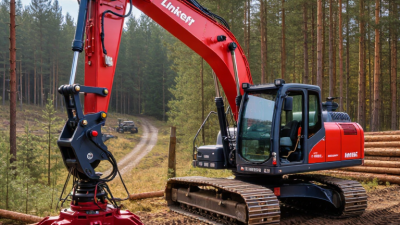
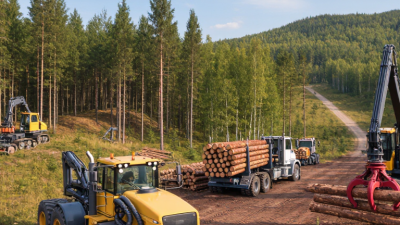
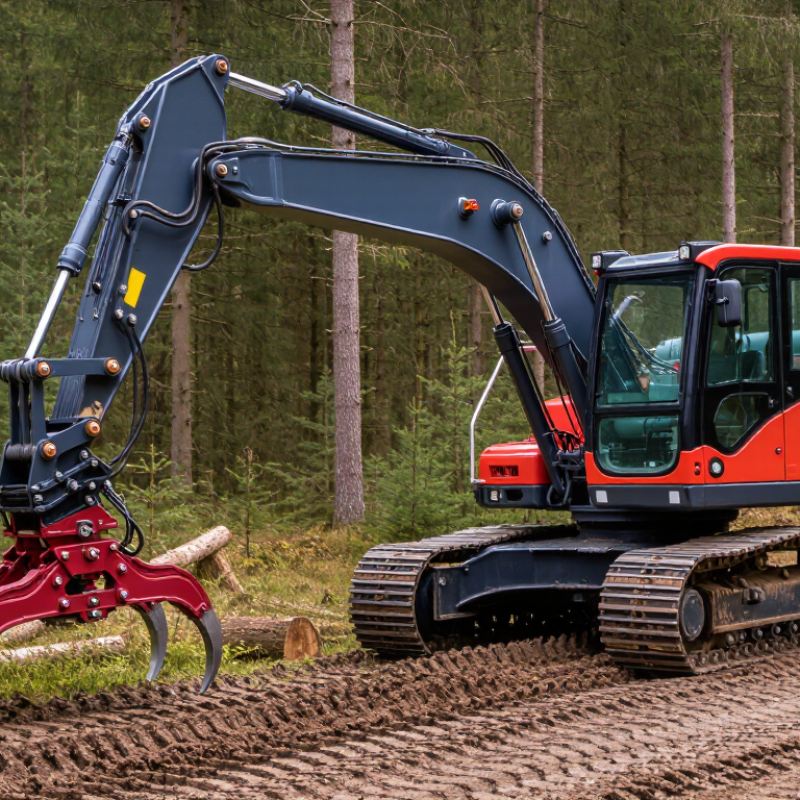
Understanding link-belt forestry equipment begins with its working environment. This machinery supports clearing, timber handling, road preparation, and site maintenance. Its tracked undercarriage helps distribute weight across soft forest ground. That matters after heavy rain. In steep areas, stability and controlled movement become more important than maximum lifting power.
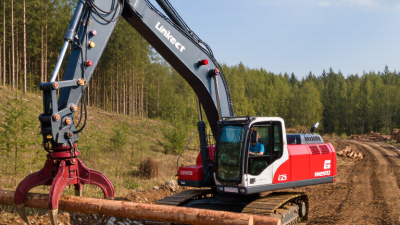
Choose equipment according to the attachment and daily task. A hydraulic excavator with a processing head can cut, delimb, and sort trees efficiently. A grapple configuration suits log loading and debris handling. For narrow access roads, compact dimensions reduce damage to surrounding vegetation. Check hydraulic flow, lifting capacity, reach, and ground clearance before comparing models. Operator visibility also matters near stumps, slopes, and hidden drainage channels.
Field experience often reveals details that brochures miss. I once underestimated how quickly mud reduced travel speed on a remote site. A machine with strong power still struggled because the tracks were poorly matched to the soil. That mistake changed my selection process. I now inspect service access, cooling performance, fuel use, and attachment compatibility. Simple controls help operators work longer with fewer errors. No choice is perfect. Weather, terrain, tree size, and transport limits can change the correct specification. Reliable maintenance records and trained technicians provide additional confidence before purchase.
Assessing Job Requirements, Terrain, and Material Handling Needs
Choosing forestry equipment starts with the job, not the machine’s advertised power.
Walk the site and record tree size, stump density, slope, ground moisture, and access width. A machine clearing soft, flat soil may struggle on a wet hillside. Keep it practical.
For selective cutting, prioritize smooth hydraulic control, visibility, and precise attachment movement.
For log loading, compare lift capacity, reach, attachment compatibility, and cycle speed. Do not judge capacity from maximum figures alone.
Real loads change with length, balance, mud, and working distance.
Terrain often decides more than horsepower. Tracks should match ground pressure needs, while the undercarriage must support stability on uneven ground. Check transport routes, turning areas, overhead branches, and recovery access before purchase.
In steep terrain, test the equipment with an experienced operator under controlled conditions. Ask suppliers for duty-cycle data, maintenance intervals, and verified lifting charts. Independent field records are more useful than polished claims.
Field observations often show operators choosing excessive size, then losing time in narrow stands. That choice may feel safer, but it is not always efficient.
Leave room for doubt.
A smaller machine may protect the site, while a larger one may handle heavy logs more safely. Compare fuel use, attachment changes, service support, and operator comfort across a full workday.
Comparing Machine Types, Attachments, and Operating Specifications
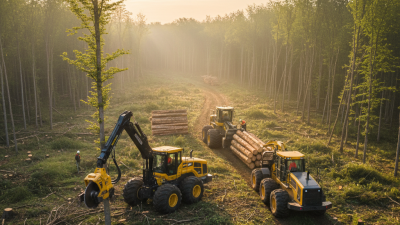
Choosing forestry equipment starts with the worksite, not the machine’s advertised horsepower. A tracked harvester suits selective cutting and precise processing. A feller buncher works better where trees stand densely and production speed matters. Forwarders move processed logs across rough ground with less soil disturbance than skidding methods. Match the machine to slope, tree diameter, soil strength, and access width.
Attachments change the machine’s practical value. A processing head needs stable hydraulic flow and accurate control. A grapple should match log size and maintain a firm, balanced grip. A mulching head demands strong cooling capacity and protected hydraulic lines. Check attachment weight carefully. Too much weight can reduce lift capacity and increase undercarriage stress. I once focused too heavily on attachment price. That decision made maintenance costs harder to predict.
Operating specifications reveal how the machine will behave daily. Compare rated lifting capacity, hydraulic flow, swing torque, ground pressure, fuel use, and reach. A long boom may improve access, but it can reduce stability with a heavy load. Wider tracks can lower ground pressure, although transport becomes more complicated. Review service access, filter placement, visibility, and cab protection before purchasing. Test the controls in uneven terrain when possible. Small delays feel large after eight working hours. Manufacturer data is useful, but local operators often expose weaknesses that brochures overlook. Conditions change, and one specification rarely tells the whole story.
Choosing the Right Link-Belt Forestry Equipment for Your Budget
Choosing the Right Forestry Equipment for Your Budget
A practical budget starts with the work, not the machine’s advertised price. Define your daily tasks, timber size, ground conditions, and expected operating hours. A machine for selective thinning may not suit heavy clearing. That mismatch becomes expensive quickly.
I have found that purchase price is only one part of ownership. Leave room for transport, fuel, routine service, attachments, insurance, and operator training. A useful budget often assigns 10 to 15 percent for unexpected repairs. That figure is not perfect, but ignoring repairs is worse. Compare fuel consumption and cycle times under similar working conditions. A slightly higher-priced machine may reduce hourly costs through better productivity.
Inspect used forestry equipment with a qualified technician. Check the undercarriage, hydraulic lines, boom joints, cooling system, and structural welds. Look for uneven wear and hidden leaks. Request maintenance records and verify replacement part availability. Ask local operators about service response times. Their experience can reveal problems that brochures never mention.
Do not buy every available attachment. Choose tools that match your regular contracts. A reliable grapple may create more value than several rarely used accessories. Consider resale value, but do not rely on it completely. Market demand can change. A short field trial is valuable, especially on steep or muddy ground. I once underestimated transport costs on a remote project, and that mistake changed the entire profit calculation. Safety features and operator comfort also deserve a real budget, not leftover money.