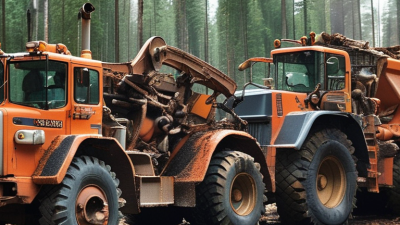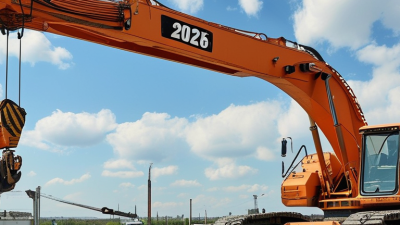
Link belt logging equipment generally refers to Link-Belt excavators configured for forestry work, rather than a single machine model. Depending on the job, a setup may include reinforced guarding, a forestry-rated undercarriage, and attachments for handling or processing timber. The right configuration matters. A grapple moving logs across a muddy landing faces different demands from an excavator clearing brush along a narrow access road.
The Food and Agriculture Organization’s Global Forest Resources Assessment 2020 estimates that forests cover about 4.06 billion hectares, or 31 percent of global land area. That figure describes forest extent, not equipment demand or productivity. It does, however, show the scale and variety of environments where forestry machinery may operate. On the ground, operators must consider traction, visibility, slope, ground pressure, and maintenance access. A strong machine is not automatically the right machine.
This guide explains what link belt logging equipment includes, how common configurations differ, and what buyers should check before choosing a setup. Compare manufacturer specifications with the worksite and attachment requirements. Check the details. No verifiable published quotation from a named Link-Belt logging-equipment expert was supplied for this introduction, so attributing a quote would risk misleading readers. Exact specifications should be confirmed with current Link-Belt product documentation and an authorized dealer.
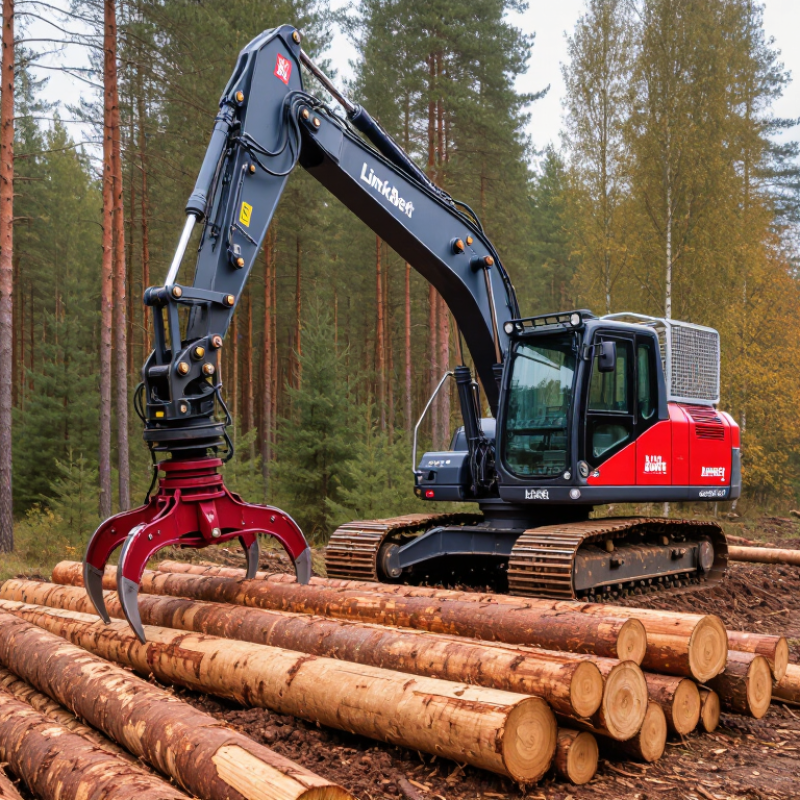
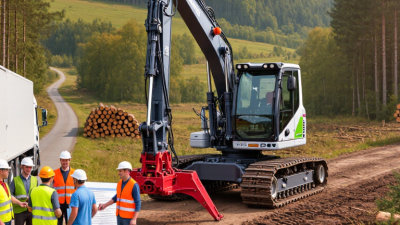
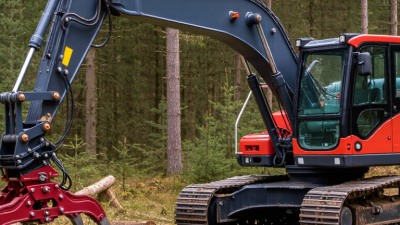
Logging equipment in this context usually means a tracked excavator fitted for forestry tasks, rather than a standard digging setup. Depending on the job, it may carry a log grapple, hydraulic thumb, or purpose-built cutting head. A grapple closes around stems or cut logs, letting the operator lift, turn, and place material with controlled movement. Tracks spread the machine’s weight across soft ground and help it travel over ruts, roots, and slash. They do not make every slope safe. That matters.
Crews use these machines to clear brush, handle felled timber, load logs, and prepare access routes. At a landing, an operator can sort different lengths into piles for forwarding or truck loading. In tighter stands, reach and attachment choice affect how much ground gets disturbed. Operators inspect hoses, pins, guards, and attachment connections before work, while staying in contact with nearby crew members. Conditions vary with terrain and timber size. A tidy specification sheet cannot show mud packed around a track frame, or how fatigue changes judgment. Versatility is not a substitute for careful planning.
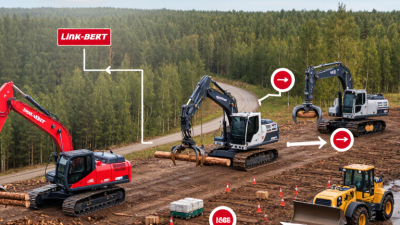
Logging work relies on several machine types, each suited to a different task. Crawler excavators are common on rough, soft ground because their tracks spread weight and help maintain traction. A grapple or hydraulic thumb lets an operator sort logs, move slash, and load timber. The attachment matters as much as the machine; a heavy grapple can reduce useful lifting capacity.
Wheeled excavators can suit firm roadsides and yards where moving between work areas is frequent. They may need stabilizers on uneven ground. Material handlers, with elevated cabs and long booms, are designed for sorting and stacking logs in a landing or mill yard. They provide reach and visibility, but are less suited to traveling across steep, muddy slopes. Small track loaders can clear brush or carry supplies through tighter spaces. They are not a substitute for a log hauler.
Conditions change quickly. Wet soil, steep grades, log length, and travel distance all affect machine choice. There is no perfect setup. A configuration that works well on packed ground may struggle after rain, and that tradeoff is easy to underestimate. Operators should check the machine’s rated capacity, attachment compatibility, and ground conditions before work begins. A slow, stable lift is often safer and more productive than reaching farther than the setup allows.
A tracked excavator configured for logging combines a stable undercarriage, articulated boom, hydraulic circuits, and a grapple or processing head. Tracks spread machine weight across soft ground and help maintain traction on uneven slopes. The boom and stick position the attachment over trunks, while hydraulic cylinders supply the force needed to lift, swing, and grip. The grapple holds logs during sorting and loading; a processing head may also delimb and cut stems to length. Small leaks matter. Reduced hydraulic pressure can slow attachment movement and make precise handling harder.
The cab, protective guarding, visibility aids, and operator controls also shape safe, effective work. Before a shift, crews should inspect hoses, pins, track tension, and grapple teeth, then clear debris from steps and access points. The FAO’s Global Forest Resources Assessment 2020 estimates that forests cover 4.06 billion hectares, or about 31% of global land area. That figure describes forest extent, not equipment productivity, but it shows the varied environments where harvesting systems operate. A machine suited to firm ground may struggle in wet soil. Matching track width and attachment capacity to the site takes judgment, and specifications alone do not tell the whole story.
Link-belt logging equipment generally refers to tracked excavators configured for forestry work, often fitted with grapples, buckets, or other attachments. A wide undercarriage helps the machine travel over uneven ground, while the boom reaches logs from stable positions. During loading, the grapple lifts stems onto a forwarder or truck and keeps the load controlled. For sorting, the operator can separate logs by length or species near the landing. Small details matter.
On steep or soft terrain, careful positioning can reduce unnecessary machine movement and soil disturbance. The same excavator may also clear brush, maintain drainage ditches, or move slash away from access routes. Results depend on operator skill, attachment choice, ground conditions, and the size of the timber. A grapple that works well on short stems may struggle with long, tangled logs. One limitation is easy to miss: more reach does not always mean safer or faster handling.
The FAO’s Global Forest Resources Assessment 2020 estimated that forests cover 4.06 billion hectares, about 31% of global land area. That broad scale helps explain why adaptable equipment matters, but it is not a productivity benchmark. For actual output, forestry managers should compare cycle times, fuel use, damage to residual trees, and maintenance records from similar sites. A tidy specification sheet cannot predict every muddy landing.
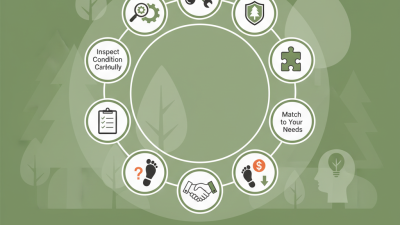
Choosing logging equipment starts with the ground beneath it. Match machine weight, reach, and attachment to slope, soil strength, timber size, and extraction distance. A unit that works well on firm ground may sink or damage wet soil. Check service access, parts availability, operator visibility, and transport needs before comparing purchase prices. Cost per productive hour is more useful than sticker price alone.
Maintenance conditions matter. Inspect hydraulic lines for abrasion, clean radiator screens, and check track tension at the start of each shift. Record fuel use, hours, repairs, and downtime; patterns often reveal small faults before they become expensive failures. Small details matter. BLS’s 2023 Census of Fatal Occupational Injuries reported a fatal injury rate of 91.5 per 100,000 full-time-equivalent workers in logging. That figure makes guarding, stable footing, clear sightlines, and reliable brakes practical selection criteria, not optional extras. A maintenance plan still needs room for judgment: muddy sites and rushed shifts rarely follow the schedule perfectly.
| Equipment Type | Typical Logging Function | Factors to Consider When Choosing | Routine Maintenance Priorities |
|---|---|---|---|
| Feller buncher | Cuts trees and gathers them into bunches for subsequent handling. | Match the cutting head and machine capacity to tree size, stand density, terrain, and the planned harvesting method. Compare tracked and wheeled configurations against ground conditions and travel needs. | Inspect the cutting head, saw components, hoses, guards, and visible structural areas. Follow the operator’s manual for lubrication, filter service, and inspection intervals. |
| Skidder | Drags cut logs from the felling area to a landing or roadside collection point. | Consider typical extraction distance, slope, soil bearing capacity, log size, traction, and whether a grapple or cable configuration suits the operation. | Check tires or tracks, grapple or winch components, cables, brakes, steering, and hydraulic lines. Remove debris and repair damage before it worsens. |
| Forwarder | Carries cut logs on the machine rather than dragging them, transporting them to a landing. | Assess payload needs, route width, slope, ground sensitivity, boom reach, and load-space suitability. Low-ground-pressure options may help reduce soil disturbance in suitable conditions. | Inspect the loader, grapple, boom, articulation points, tires or tracks, and load-bearing structures. Check fluid levels and service components according to the manual. |
| Harvester | Fells, delimbs, and cuts trees into specified lengths using a processing head. | Check compatibility between the base machine and harvesting head, expected tree dimensions, terrain, operator visibility, and the accuracy requirements of the cutting system. | Keep the head clean; inspect feed rollers, knives, saw components, sensors, and hoses. Verify measurement-system settings and follow specified calibration and service procedures. |
| Excavator with logging grapple | May load, sort, or move logs when fitted with a suitable grapple and attachment system. | Confirm attachment compatibility, lifting capacity at the required reach, stability, hydraulic flow requirements, and the machine’s suitability for the working surface. | Inspect the grapple, pins, bushings, coupler, hydraulic connections, and boom structure. Use approved lifting practices and do not exceed rated capacities. |
| Logging winch | Pulls or assists with moving logs, commonly during cable-based extraction or recovery work. | Select a winch and cable system rated for the intended application. Consider anchor points, cable length, terrain, load control, and compatibility with the carrier. | Inspect the cable for broken wires, kinks, crushing, corrosion, or other damage; check the drum, fairlead, controls, and attachment points. Replace damaged components as directed by the manufacturer. |
Maintenance intervals and service procedures vary by machine and operating conditions. Always follow the equipment manufacturer’s operator and maintenance manuals, and use trained personnel for inspections and repairs.